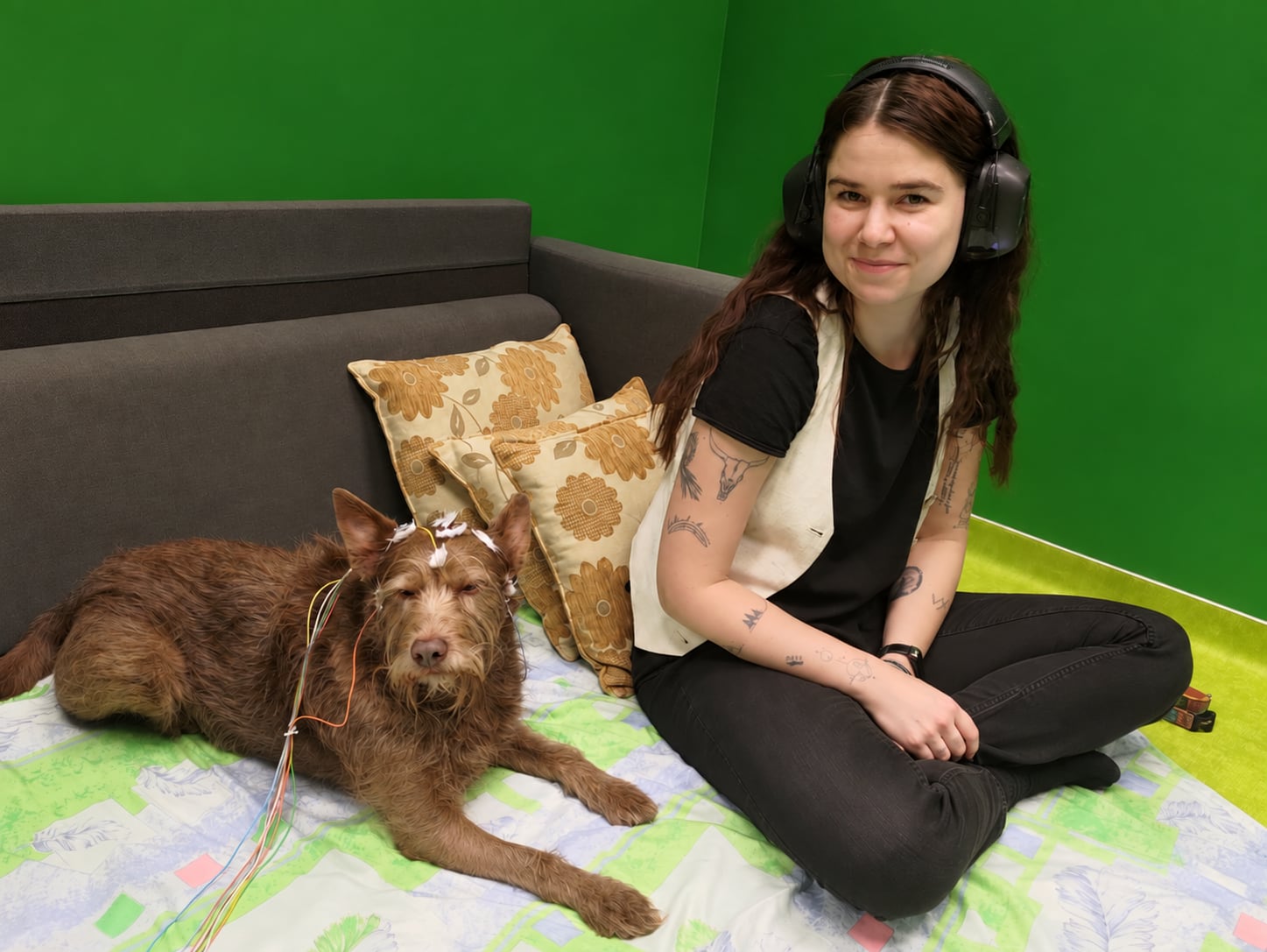
Dogs pay more attention to consonants than vowels when we speak
Hooking up dogs to non-invasive EEG monitors has helped identify exactly which component of human speech the animals are most attuned to
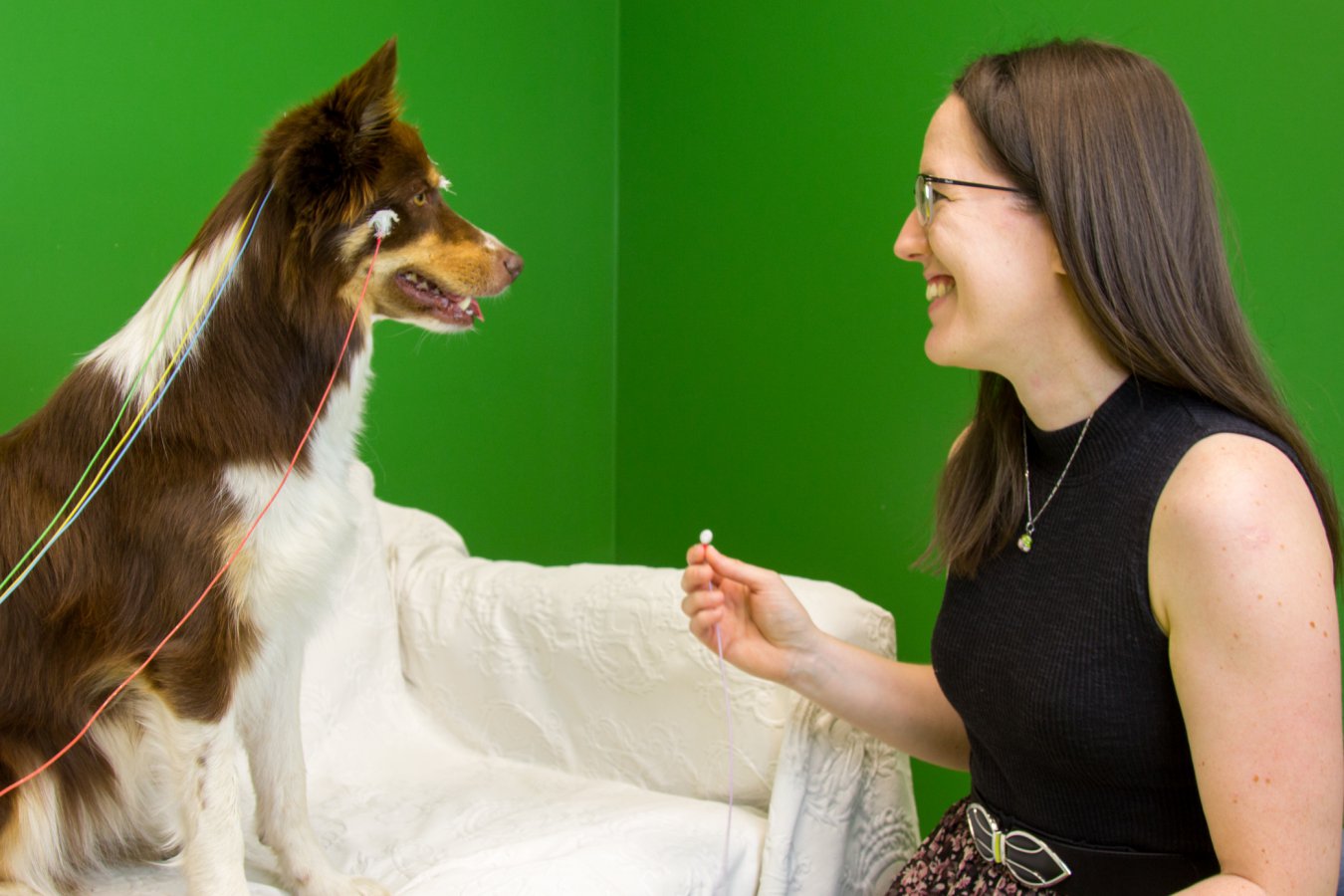
A recent study indicates that dogs pay more attention to consonants over vowels when they hear their owners speak, according to researchers at Eötvös Loránd University in Hungary. The team believes this behavior stems from dogs' environment filled with speech, and it mirrors a similar human bias observed across many languages.
To test this hypothesis, the researchers recruited 20 adult human Hungarian speakers and 20 companion dogs with Hungarian owners. The participants listened to continuous, unsegmented speech streams of nonsense words while connected to EEG monitors, which measured the electrical activity of their brains. The speech streams alternated between consonants and vowels, with no pauses or other acoustic cues separating them.
The researchers utilized a phenomenon called "neural synchronisation," where brain activity mirrors the rhythm of the sounds heard. They found that dogs' neural response to consonant-based regularities was 42% stronger than their response to vowel-based regularities and 55% stronger than their response to random syllables. In humans, the response to consonant-patterned words was nearly 25% higher than to vowel-patterned regularities and 77% higher than to random conditions.
The researchers suggest that companion dogs' preference for consonants is due to human speech and the characteristics of words reshaping their brains. However, they note that dogs not exposed to human speech might not exhibit this bias, but they have not yet tested this idea.
Written by urgent.news from New Scientist's reporting — not their text. Machine-written — may contain errors; check the original before relying on it.