China tech faces fresh scrutiny as US blacklist bill introduced, Lenovo case emerges
China’s technology sector is facing fresh pressure in the United States as lawmakers seek to broaden the range of products that can be placed on a trade blacklist, while Lenovo Group has been drawn into a patent dispute involving memory devices. The Communications and Technology Transparency Act, unveiled by the US House Energy and Commerce Committee on Wednesday, would expand the Federal…
China's technology industry is facing increased scrutiny from the United States as lawmakers introduce a bill aimed at expanding the range of products that could be placed on a trade blacklist. The Communications and Technology Transparency Act, proposed by the US House Energy and Commerce Committee, would broaden the Federal Communications Commission's Covered List to encompass a wider category of "information and communications technology or service" (ICTS).
Products listed on this blacklist cannot be legally imported, marketed, or sold in the United States. This move was revealed on Wednesday and comes amid growing tensions between the two nations.
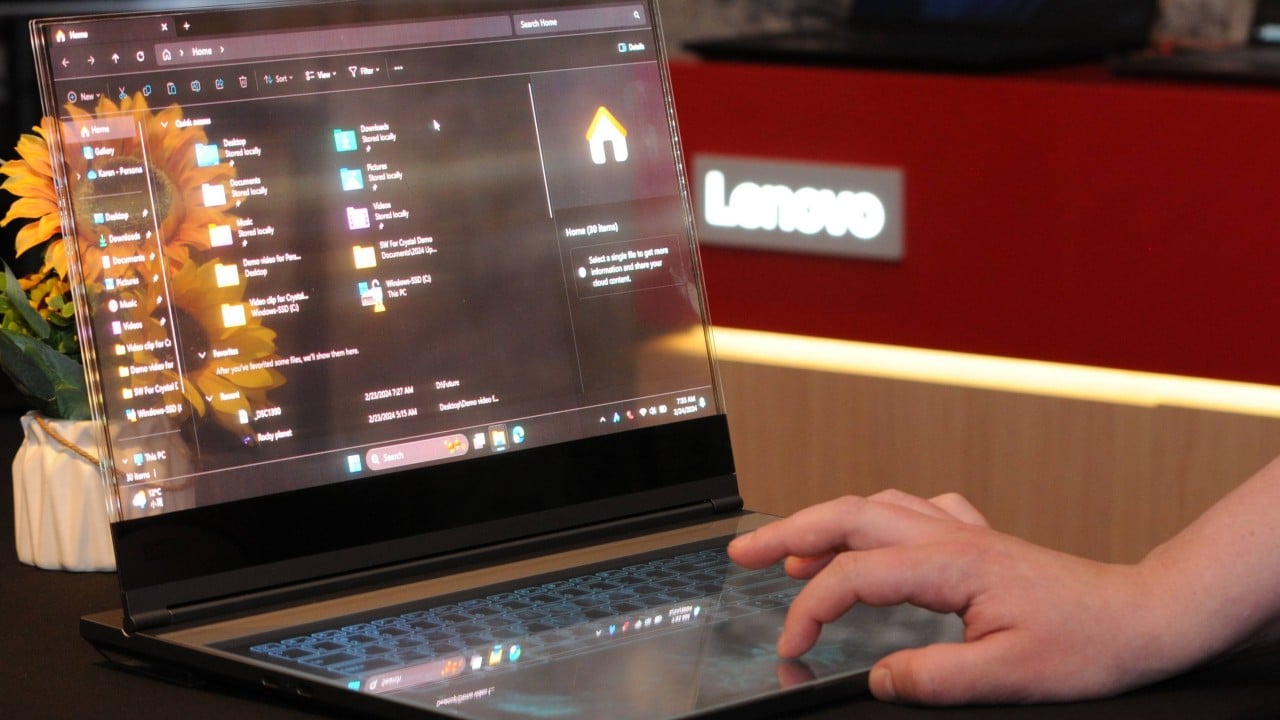
The US International Trade Commission has also launched a Section 337 investigation into certain DDR5 memory modules and downstream products, including servers, computing systems, and storage systems. This investigation was initiated after a patent-infringement complaint was filed by California-based Netlist. Respondents in the case include Lenovo, Micron Technology, Hewlett Packard Enterprise, and Super Micro Computer, who are accused of alleged infringement and are seeking a limited exclusion order and cease-and-desist orders.
The proposed US bill, introduced by congressmen Frank Pallone and Brett Guthrie, seeks to streamline the process for barring products and clarify the method for determining what constitutes malicious technology or equipment. It also mandates that the Covered List be updated at least once every six months. Law experts believe this legislation aims to make enforcement of the FCC Covered List more systematic and targeted.
The timing of the bipartisan proposal is seen as significant, given the upcoming US midterm elections in November.
This development follows the FCC's recent updates to its equipment authorization rules, which have tightened restrictions on devices containing hardware components made by entities on the Covered List. However, the FCC's decision did not target optical transceivers, despite market concerns raised in August regarding potential measures to block new Chinese optical-transceiver models.
The bill's proposed definition of ICTS covers products intended for information or data processing, storage, retrieval, or communication through electronic means, including photonic technologies. Nevertheless, the broader definition would only automatically subject ICTS products to restrictions if they are supplied by entities controlled by a US-designated "foreign adversary."
Notable Chinese companies that have previously been placed on the Covered List include Huawei, ZTE, Hikvision, Dahua Technology, and Hytera.
Written by urgent.news from SCMP Tech's reporting — not their text. Machine-written — may contain errors; check the original before relying on it.