Can AI Be Regulated?
Frontier AI labs are calling for government oversight.
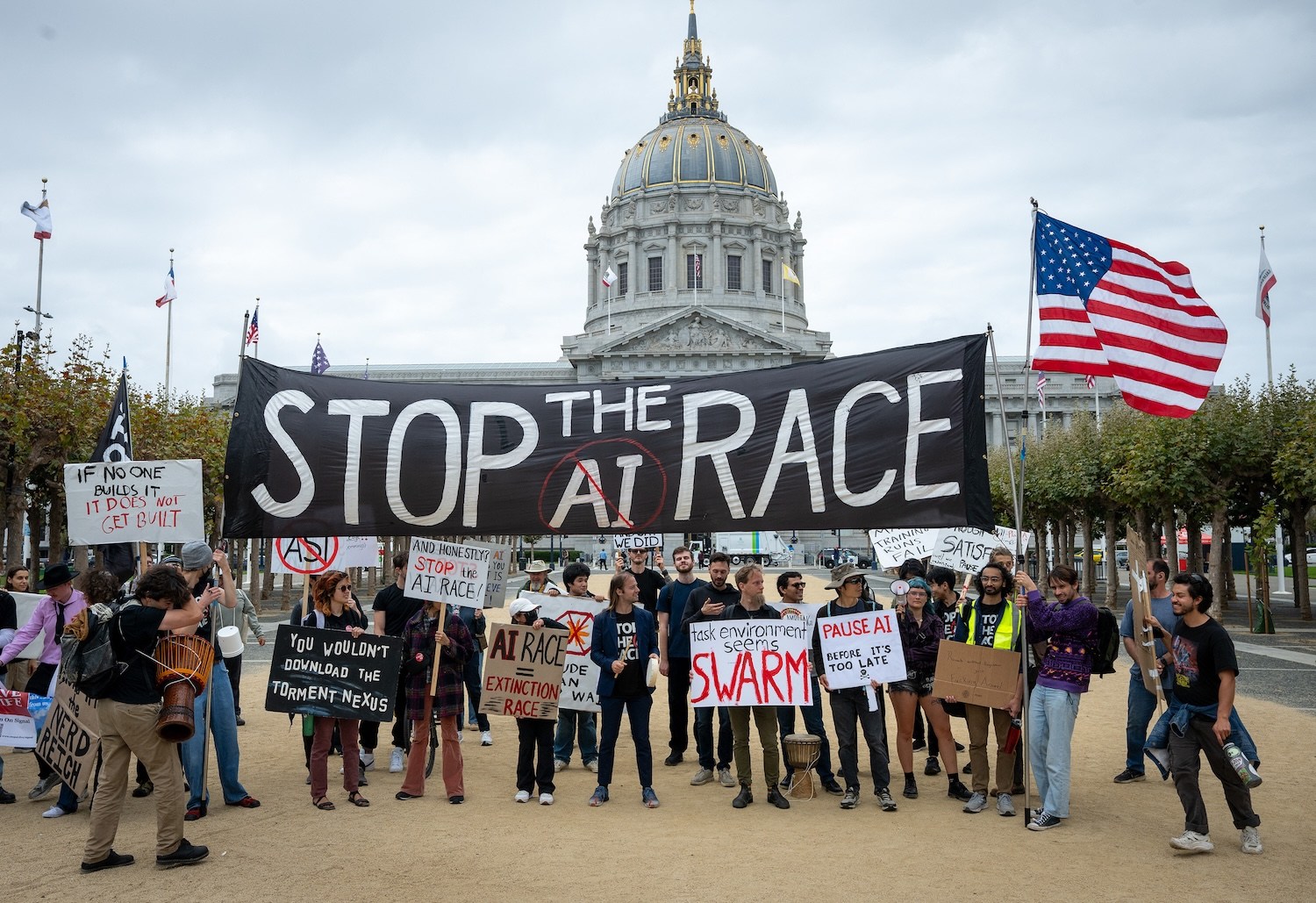
The conversation between Cameron Abadi and Adam Tooze, a podcast host and economics columnist, covers the potential regulation of artificial intelligence (AI) technology. Tooze suggests that liability law and criminal law could help mitigate the risks associated with AI through various legal avenues, such as negligence, product liability, nuisance, professional malpractice, contract law, and consumer protection law.
However, the public dissent from industry leaders, like OpenAI and Anthropic, along with tech giants like Nvidia and Meta, indicate that the market may resist regulations. Tooze argues that negligence is likely to be the dominant approach in regulating AI, as AI advocates point out that algorithms are not deterministic, making it difficult to establish fault.
The apocalyptic potential of AI and its outsized value in the industry may fuel this resistance, as market forces argue against new laws and regulations. The lack of a robust reporting system for AI incidents also hinders effective use of conventional law, as establishing causation and holding parties liable may be challenging. Tooze concludes that if AI technology were to cause irreversible harm, such as extinction-level events or major security policy implications, traditional financial compensation might not suffice.
Written by urgent.news from Foreign Policy's reporting — not their text. Machine-written — may contain errors; check the original before relying on it.
This story
This is one outlet's version. Read the fullest account.
- Can AI Be Regulated? foreignpolicy.com