As the Pentagon expands across the Pacific, Guam offers a warning
The U.S. militarization of Guam has left its residents living with a legacy of pollution, environmental degradation, and cultural loss. Other Pacific islands may be next.
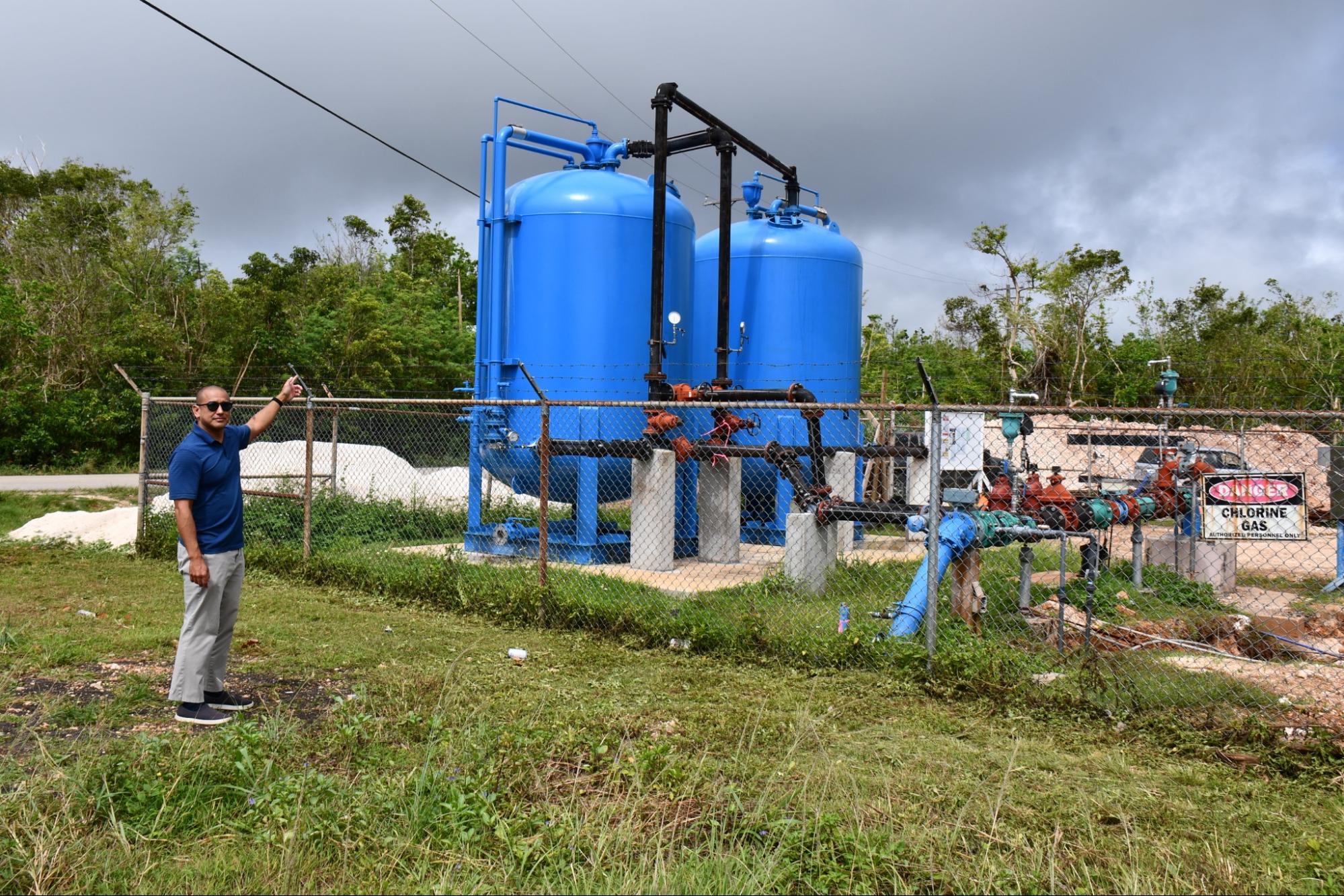
Leevin Camacho, a resident of Yigo on the island of Guam, discovered his family's water supply was contaminated with dieldrin, a banned pesticide linked to cancer and liver damage. The water authority had issued a warning, advising against drinking the water. Dieldrin, once widely used as an insecticide, had been detected in the community's water since at least 2008.
Camacho's children, aged 10 and 12, had been drinking and cooking with the contaminated water for their entire lives. The U.S. Air Force base near his well had reported "very high levels" of dieldrin, which had been listed as a "chemical of concern" since at least 1993. This incident is just one example of the many ways the U.S. military presence on Guam has impacted the island and its people.
The base is part of an ongoing military buildup in the region, which is reshaping Guam even as it spreads across the Pacific. This expansion has sparked concerns about the environmental and health impacts, particularly in light of the Pentagon's status as the world's largest institutional emitter of greenhouse gases. As military tensions grow in the Indo-Pacific, the U.S. is investing billions in new weaponry, including offensive missiles on Guam.
For Camacho, the contamination serves as a painful reminder of the ongoing costs of militarization for the people of Guam.
Written by urgent.news from Grist's reporting — not their text. Machine-written — may contain errors; check the original before relying on it.
Also reported by 1 other outlet
- As the Pentagon Expands Across the Pacific, Guam Offers a Warning theintercept.com