Amazon bets $3 bn on India’s fast-delivery boom
AgenciesUS e-commerce retailer Amazon will invest $3 billion to expand its India quick commerce business by 2030, two sources said, its biggest bet yet on a sector where rivals hav...
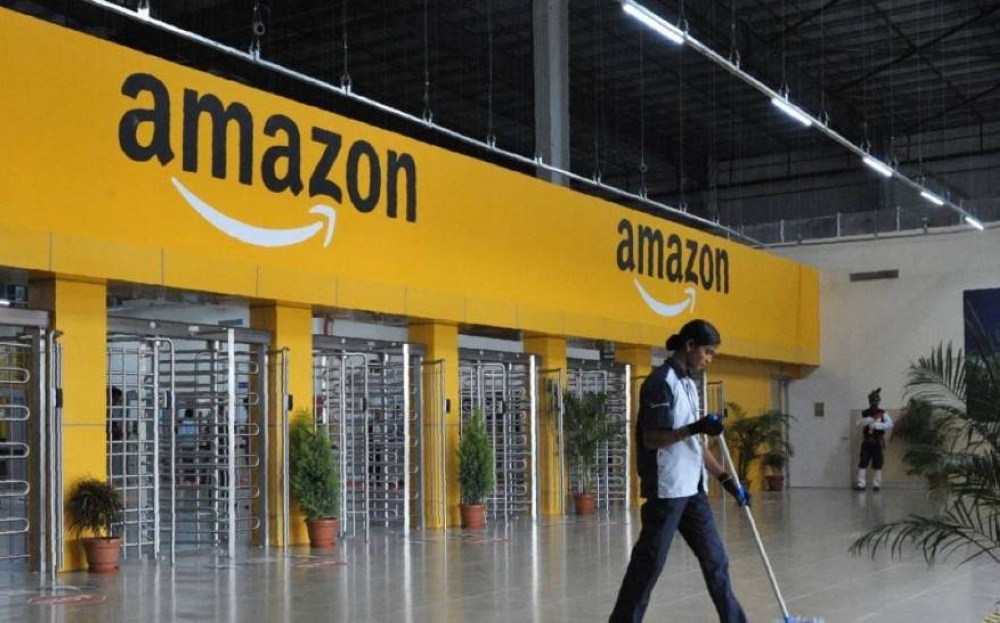
Amazon pledges $3 billion to bolster its Indian quick commerce sector by 2030, according to two sources. This sizable investment is Amazon's largest to date in a rapidly expanding industry where competitors have thrived by offering minute deliveries. Quick commerce, or instant deliveries, has transformed urban shopping habits in India, allowing customers to purchase items ranging from milk and chocolates to high-tech gadgets like iPhones.
Amazon's entry into this market arrives late, with Walmart's Flipkart and Amazon itself holding the majority of the e-commerce space. The quick commerce market, valued at $19 billion, is projected to double to $41 billion by 2030, according to Datum Intelligence. Amazon intends to allocate $1 billion to this sector by the year-end of 2027 and another $2 billion by 2030, sources close to the plans revealed.
This substantial investment has not been publicly disclosed until now. Amazon has already surpassed the $1 billion mark in annualized gross sales for its quick commerce business over the past three months, marking it as the fastest-growing e-commerce venture in Amazon India's history. The primary focus of this investment will be constructing additional neighborhood warehouses to support the existing Amazon Now service network, where deliveries are swiftly shipped.
These new warehouses will be strategically placed in densely populated areas to ensure timely deliveries. Amazon views India as a crucial growth market, with plans to expand its data center, cloud, and e-commerce infrastructure in the country. However, the company faces regulatory challenges and an ongoing antitrust case from India, which it denies.
The quick commerce sector's growth surge since 2022 has been accompanied by growing concerns over rider safety, particularly concerning "10-minute" delivery services. In January, India's government mandated companies to cease promoting such operations as "10-minute" services. Domestic leaders such as Eternal's Blinkit, Swiggy, and Zepto, which are set to go public, dominate the market, accounting for 77 percent of the quick commerce sector.
Walmart's Flipkart holds an 11 percent share, while Amazon holds a mere 6.2 percent. Amazon aims to establish approximately 1,300 stores by next April, up from the current 750. The investment will also focus on enhancing inventory management software at stores, implementing AI tools for demand forecasting, and expanding product offerings.
Amazon primarily targets daily essentials, avoiding products like iPhones due to their low average order values. Bernstein recently cautioned that groceries alone may not be sufficient to cover the high costs of quick commerce, as average order values are relatively low, and high-margin items are essential for profitability. Amazon maintains that it did not miss the mark, emphasizing its commitment to refining the model, such as incorporating cold storage rooms in each store instead of just refrigerators.
Written by urgent.news from Qatar Tribune Business's reporting — not their text. Machine-written — may contain errors; check the original before relying on it.