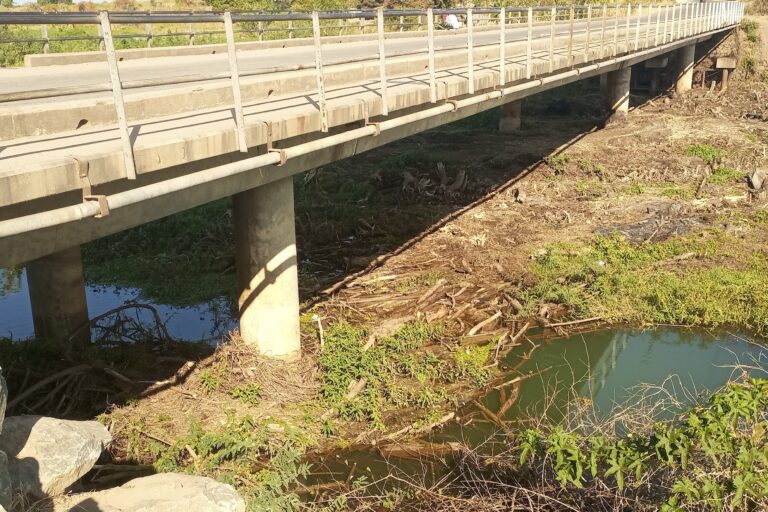
What Australia’s Hidden Caves Can Teach Us About Martian Terrain
The Nullarbor terrain isn’t that different than the red planet The post What Australia’s Hidden Caves Can Teach Us About Martian Terrain appeared first on Nautilus .
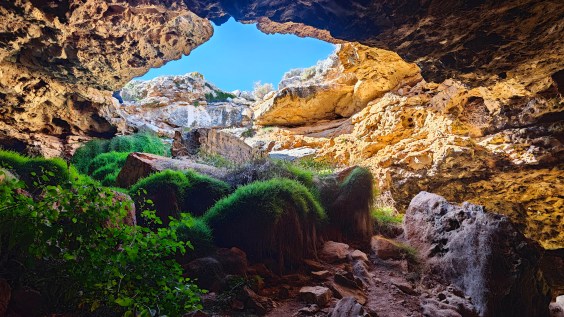
Australia's Nullarbor Plain, a vast desert with a unique limestone bedrock, has been hiding a network of caves beneath its surface. Initially thought to be shallow valleys or drainage channels, these features were recently identified as remnants of deep cave openings. Geologists from Curtin University discovered this unusual connection after studying shallow trenches stretching over 10 miles across the region.
The caves, which have been around for 14 million years, have collapsed over time, partially filling and leaving behind long, wide depressions on the surface. The Nullarbor's dry climate and stable terrain make it an ideal location to recognize subtle landscape characteristics, which can then be used to identify similar cave systems on other planets like Mars.
Written by urgent.news from Nautilus's reporting — not their text. Machine-written — may contain errors; check the original before relying on it.