What Annie Dillard Left Off the Page
Dillard kept much of her personal life carefully outside the scope of her nonfiction.
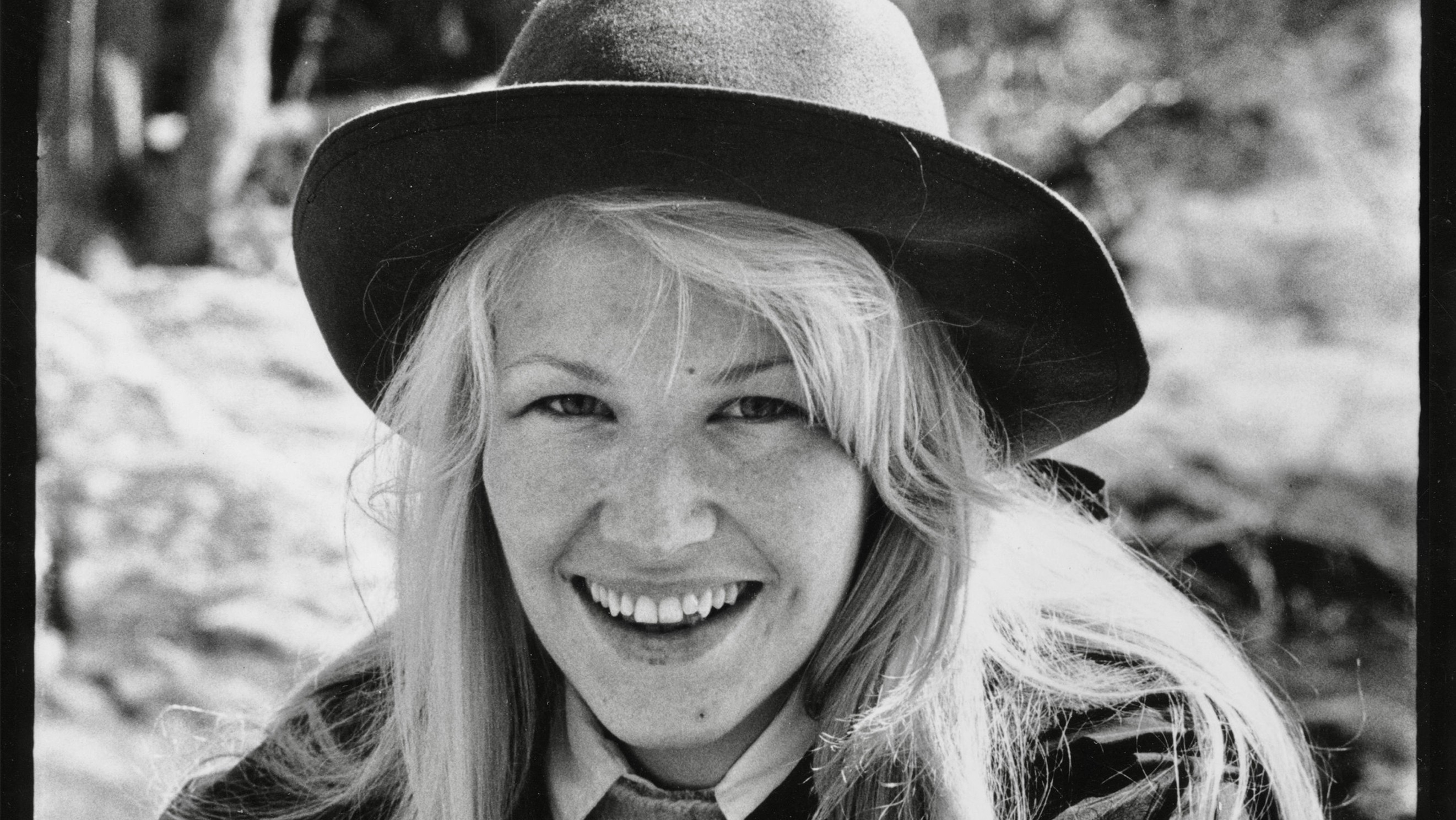
Annie Dillard, the author of the 1974 nonfiction book Pilgrim at Tinker Creek, initially saw potential for two separate works in her material: one focused on a close observation of the natural world and the other more artistic and spiritual. In the book, the narrator moves from chasing cattle to contemplating the vastness of the universe.
When Dillard was a college student, she was captivated by the female narrator's exploration of the woods and her ability to remain present to both the terror and awe of the world. Dillard's own life during the time she wrote Pilgrim involved living with her first husband, which she later felt compelled to reveal in a follow-up email to a journalist.
Despite her admiration for Pilgrim, the author never attempted or encouraged the kind of separation she experienced in her writing. In fact, Dillard herself was a social animal, married three times, and had both children and stepchildren. In her writing, she rarely delves into details of her adulthood relationships, choosing instead to focus on consciousness, suffering, and the human experience.
She contended that a reader doesn't need to know every detail of the writer's life to understand the essence of her work. Dillard's 1999 afterword to Pilgrim acknowledged the book's "willingness to say ‘I’ and ‘me’" as a point of view, but she also believed that she had "put in what was interesting." In her 1987 memoir, An American Childhood, Dillard more openly explored her own life, including her parents' anecdotes and her own discovery of self, but even then she maintained a distance from her readers.
Dillard's 2007 novel, The Maytrees, which is dedicated to her child, delves into themes of marriage and parenthood, but her nonfiction works generally avoid a focus on relationships. Critics have suggested that this absence is a choice made by Dillard, who has found a way to be "wholly alive while wholly alone," but who also lived among others.
Written by urgent.news from The Atlantic's reporting — not their text. Machine-written — may contain errors; check the original before relying on it.