US bill threatens to turn your VPN into a piracy blocklist
The proposed American Copyright Protection Act wants to compel major VPN providers to block piracy websites, threatening to turn vital privacy tools into filtered exit ramps. And digital rights advocates raise the alarm.
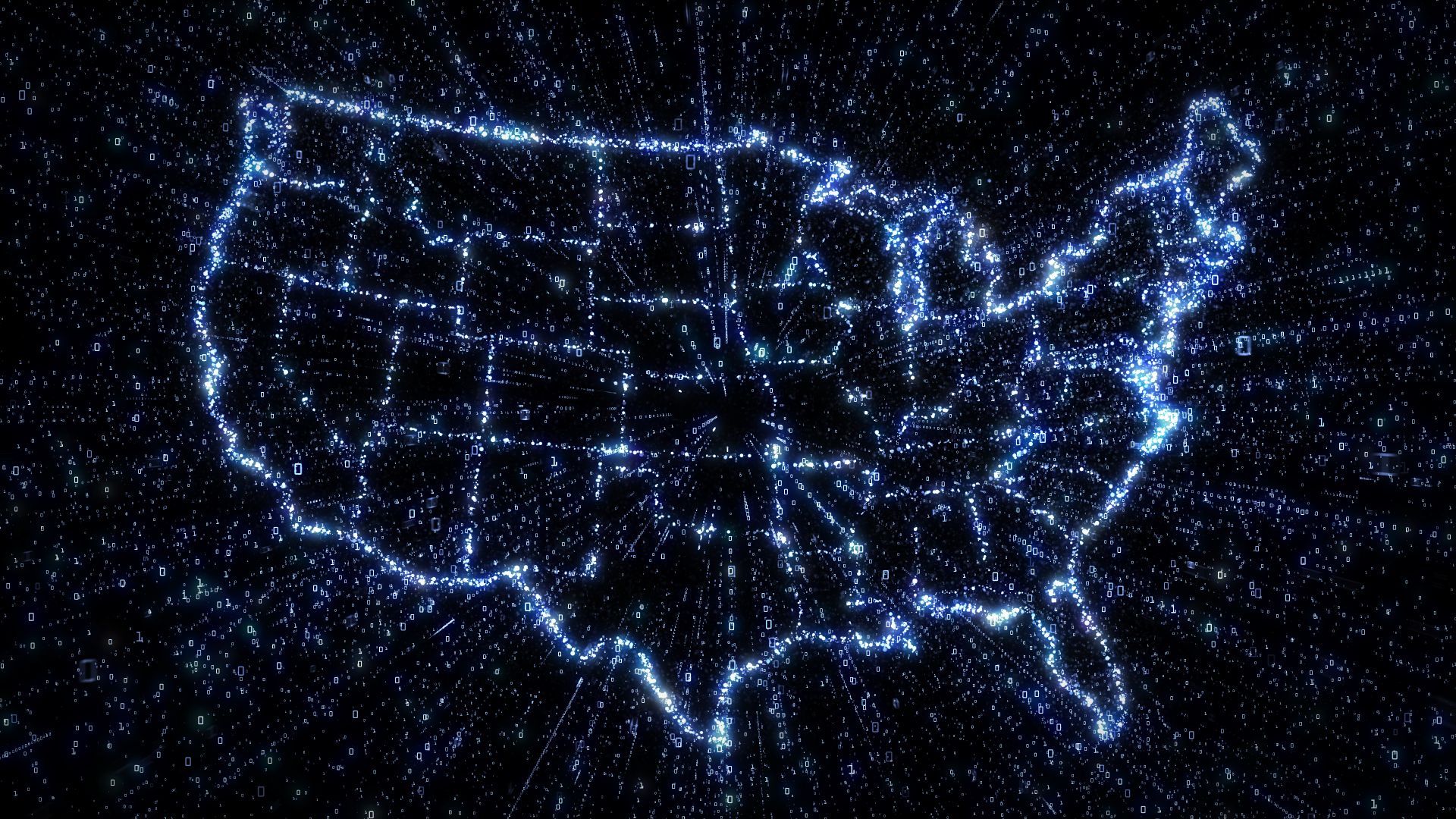
A proposed US bill threatens to alter how virtual private networks (VPNs) function in the country. The American Copyright Protection Act (ACPA), also known as H.R. 10364, aims to grant copyright holders a swift legal process for obtaining blocking orders against alleged copyright infringing platforms. This legislation would force VPN providers with at least 100,000 monthly US subscribers to block access to foreign piracy websites.
Digital rights groups express concerns over the potential for massive overreach, citing similar policies in Europe. Representative Darrell Issa, who introduced the bill on September 16, 2026, has called for aggressive enforcement, aiming for "the speed of light." Digital rights organizations argue that the bill violates due process rights and First Amendment freedoms.
The bill includes an error provision allowing companies wrongly blocked to seek up to $250,000 in damages, though critics argue this does little to protect innocent small businesses. The ACPA follows similar legislation in Utah and joins other pending federal proposals such as the Block BEARD Act. However, the bill's design mirrors aggressive European anti-piracy campaigns, which have already led to collateral damage in countries like Spain and France.
Written by urgent.news from TechRadar's reporting — not their text. Machine-written — may contain errors; check the original before relying on it.