Trump y Xi son los hombres equivocados en el momento equivocado
El mundo necesita un liderazgo con visión de futuro, pero es poco probable que los líderes de EEUU y China lo ofrezcan. Leer
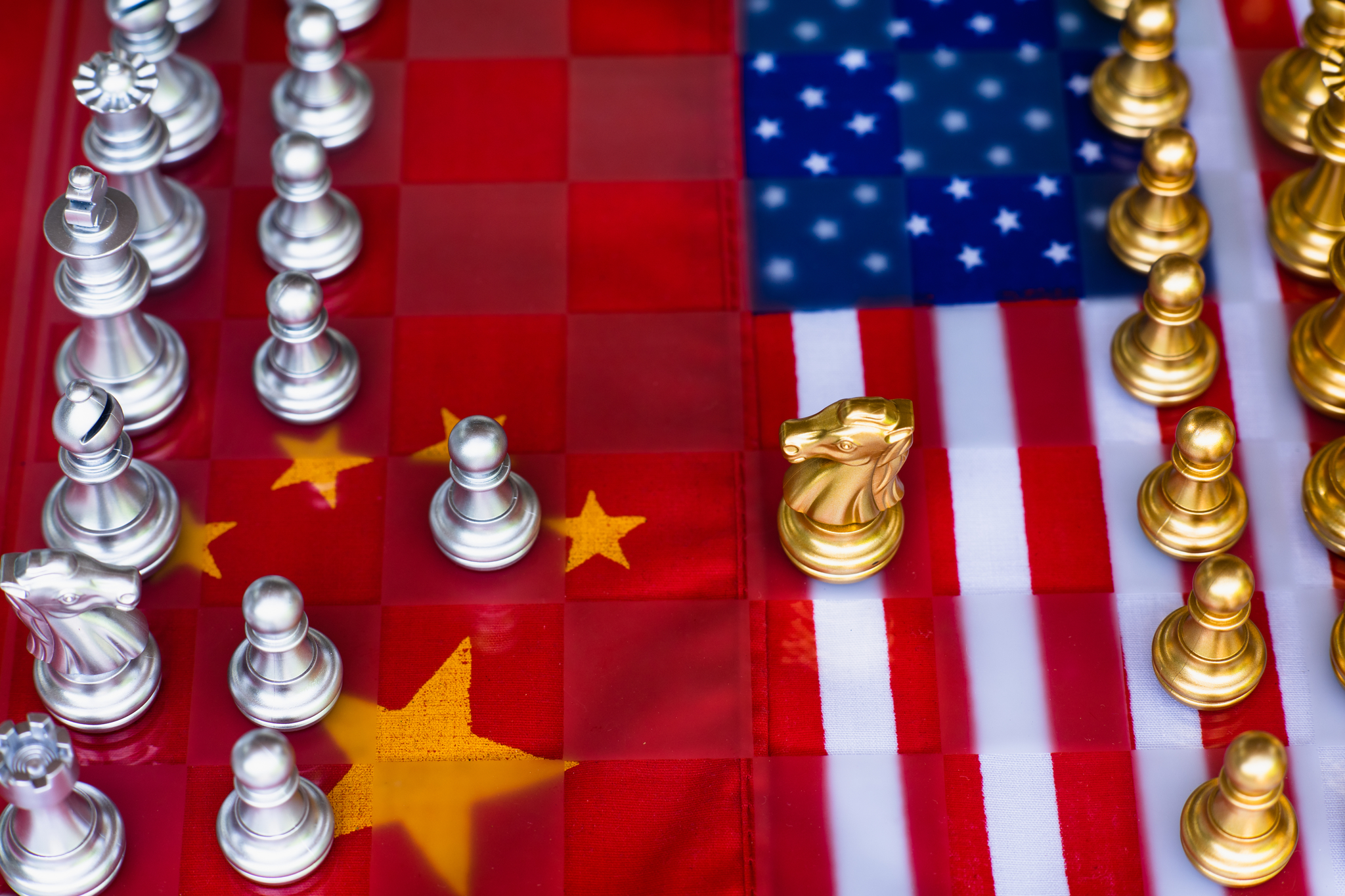
The world needs visionary leadership, but it is unlikely that U.S. President Donald Trump and Chinese President Xi Jinping will offer it. After spending nearly three hours in informative meetings and debates with the U.S. president and intelligence and security services, Guillaume Lacroix, a French politician, expressed his sense of urgency about the gravity of situations in the Middle East and Ukraine, as well as the predatory behavior driving the world towards chaos.
Recently, there have been alarming warnings about the risk of war from European capitals, and concerns over the impact of artificial intelligence (AI) on the global economy have been heard worldwide. An energy crisis is brewing, and bond markets hint at a potential debt crisis. This critical moment in global affairs suggests that it would be a positive development if the leaders of the two most powerful nations were to meet at the end of this week.
Trump and Xi Jinping have much to discuss, including wars, energy, AI, trade, Taiwan, and the White House ballroom. However, the deep mistrust between the U.S. and China, combined with the limitations of the two leaders involved, makes real progress on major issues highly improbable. One of the primary reasons for the cautious behavior of the two powers—avoiding addressing common concerns—is their ongoing trade war.
When China initially responded to the tariffs announced by Trump on April 2, 2025, the U.S. downplayed the issue. Scott Bessent, the U.S. Treasury secretary, likened China's restrictions on exports of rare earths and critical minerals to a ladder of colors. Within weeks, key industries in the U.S. began to struggle due to supply chain disruptions.
In October 2025, China and the U.S. signed a trade truce in South Korea that could be renewed in Washington. However, the exchange of trade attacks has increased mistrust on both sides. Both China and the U.S. remain vigilant against any cooperation that could backfire in the future. With little mutual trust, there are few chances for the United States and China to cooperate effectively in addressing threats that transcend national borders, such as uncontrolled artificial intelligence or climate change.
Major U.S. AI companies advocate for a joint strategy between the U.S. and China on regulation. Bessent notes that both nations have recently agreed to establish a dialogue on artificial intelligence; however, these conversations will be limited by the inherent rivalry between Washington and Beijing. Trump claims that we have an advantage over China in artificial intelligence and wants to maintain that status, as whoever wins the race for artificial intelligence will win.
China, on the other hand, suspects that American calls for a common approach in this area are merely an attempt to solidify the slight U.S. advantage in a decisive technology. Recent official Chinese media have focused on the threat that AI could pose to the continuity of the Communist Party government, rather than the risk it poses to humanity as a whole.
Trump enjoys rejecting any idea he finds uncomfortable, labeling such threats as "frauds." This is the term he has consistently used to refer to AI threats and to climate change. Instead, the U.S. president has prioritized using the country's abundant oil and gas reserves to achieve energy dominance, while boasting about withdrawing from the Paris Agreement on climate and dozens of other international left-wing climate agreements.
This policy has allowed China to consolidate its dominance in renewable energy industries, such as battery manufacturing, solar panels, wind turbines, and electric vehicles. Both countries are threatened by energy supply scarcity caused by the war in the Middle East. China has participated in past peace processes in the region and is a significant importer of oil from the area.
However, even if the U.S. wanted China's help to end the conflict (which is unlikely), Xi has no motivation to get involved in Trump's Gulf-initiated fire. The extent of cooperation between the U.S. and China in the Ukraine war is even more limited. Beijing continues to play a crucial role in keeping the Russian economy afloat. Rather than acting as a peacemaker, China risks initiating a third major global conflict by invading or blocking Taiwan.
The U.S. is struggling in Iran, and its weapon reserves have been depleted. Unlike President Joe Biden, Trump has downplayed the idea that the U.S. would fight for Taiwan. All of this could increase Xi's temptation to act quickly. On the other hand, the Chinese leader has noticed how the U.S. and Russia have struggled to win wars against weaker nations, which may encourage him to focus on increasing political pressure on Taiwan.
Both Trump and Xi love pomp and ceremony, so there will be plenty of that in Washington, but serious commitment to issues that matter to the world is likely to be lacking.
Written by urgent.news from Expansion ES's reporting — not their text. Machine-written — may contain errors; check the original before relying on it.