Trade Unions demand transparent borders, better trader protection
The Central Organisation of Trade Unions (Kenya) (COTU-K) and the International Trade Union Confederation’s African Regional Organisation (ITUC-Africa), alongside union representatives from other African countries, have highlighted the urgent need to address systemic obstacles that undermine trader livelihoods at key border points. Reading the joint statement on behalf of COTU-K, Adams Barasa,…
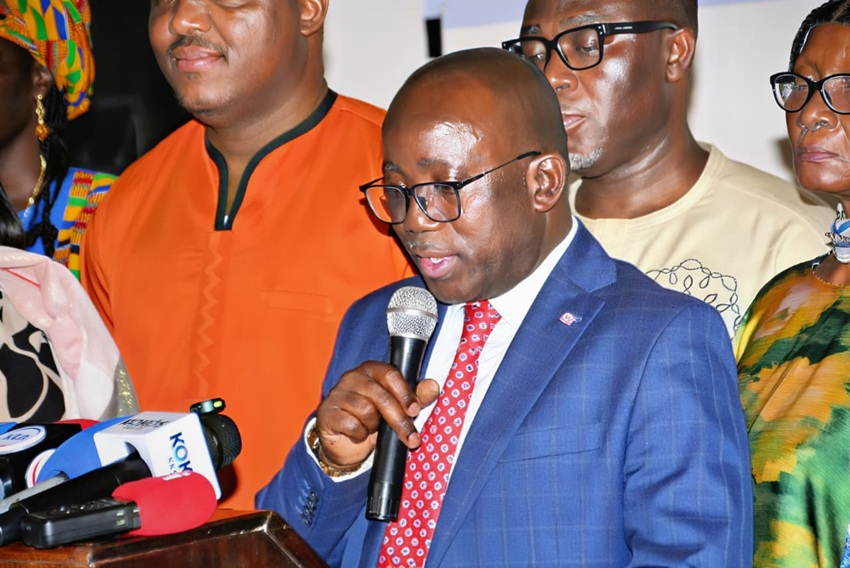
The Central Organisation of Trade Unions (Kenya) and the International Trade Union Confederation’s African Regional Organisation, together with union representatives from various African nations, have emphasized the critical need to tackle systemic issues that hinder the livelihoods of traders at crucial border points. In a joint statement, Adams Barasa, Assistant Secretary General of COTU-K, highlighted the significance of safeguarding informal traders, predominantly women and youth, against exploitation and erratic trade expenses.
He expressed that trade across borders serves as a lifeline for numerous workers and their families. However, recent research, affirmed by trader accounts from the Kenya-Uganda Busia border, unveiled a grim truth: unofficial fees, harassment, threats, and subpar infrastructure rob these workers of their earnings. Trade Unions in Africa Advancing Equitable AfCFTA Project was launched in Nairobi, where Barasa stressed the urgency of protecting the rights and well-being of these marginalized workers.
Among the pressing concerns identified by the Africa Labour Research and Education Institute’s July 2026 study, traders frequently endure arbitrary multiple charges and exorbitant unofficial payments, which diminish their income. They also face harassment through intimidation, threats of arrest, confiscation of goods, and outright theft, endangering their livelihoods.
Additionally, slow customs clearance processes, congested crossings, and inadequate facilities prolong delays and impede access for individuals with disabilities. The unions demanded that African governments promptly adopt a Simplified Trade Facilitation Regime specifically designed for informal cross-border traders and implement stringent measures to curb border extortion and arbitrary enforcement actions.
These measures include the establishment of transparent charges with mandatory receipts, user-friendly complaint systems, and robust accountability frameworks to eradicate corruption and abuse. Adams Barasa stressed that without clear protocols and protections, the potential of AfCFTA’s promise of seamless and equitable trade remains unattainable for those who depend on borders for their daily survival.
The statement also emphasized the urgent need for investments in upgrading border infrastructure, including safe trading spaces, adequate storage facilities, shelter, clean water, sanitation, and accessible facilities for persons with disabilities. These improvements are essential to creating an environment where informal traders can conduct business with dignity, safety, and predictability.
Crucially, the unions stressed the vital importance of involving informal workers, particularly women and youth, in the decision-making processes concerning border management and AfCFTA implementation. Their active participation is vital to crafting policies that genuinely reflect the conditions on the ground. COTU-K urged Kenya’s trade and labor ministries, the Kenya Revenue Authority, and Busia County Government to collaborate closely with worker and trader organizations to address the urgent issues highlighted in the research and border testimonies.
As the AfCFTA continues to broaden Africa’s economic prospects, trade unions insist that its success should be evaluated not solely by trade volumes or tariff rates, but by the creation of decent jobs, safer borders, and the economic stability of all workers, both formal and informal.
Written by urgent.news from KBC's reporting — not their text. Machine-written — may contain errors; check the original before relying on it.