Thoughts return to forbidden RAM upgrades as Raspberry Pi OS gets fresh lick of paint
New dock and app launcher arrive while soaring memory prices revive scrutiny of a two-year-old firmware restriction
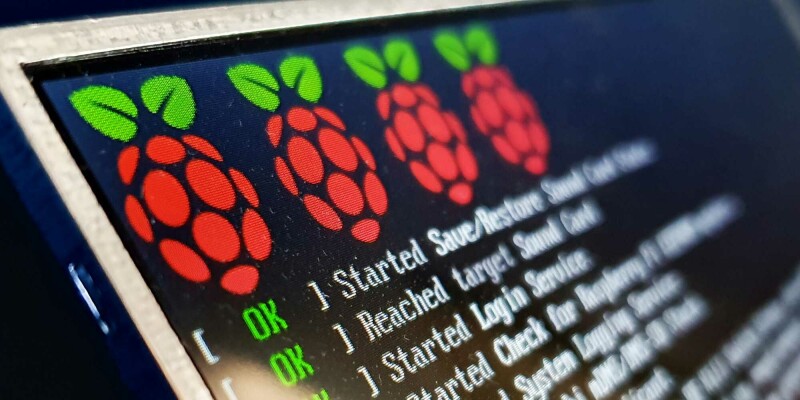
Raspberry Pi OS has introduced a new desktop layout, reigniting debates over memory upgrades. Although Raspberry Pi doesn't emphasize version numbers, the updated OS version 6.3, released in September 2026, features a revamped graphical user interface. Users can now choose from a dock, a taskbar, or both, with the panel disappearing except for status indicators when both are selected.
However, vertical dock positioning is not an option. To revert to a vertical taskbar, users can switch to X11 via raspi-config. The Wayland components have been updated to labwc and wlroots version 0.20, though this is slightly behind schedule. The Linux kernel remains at version 6.18. Despite being lightweight, the OS is not as efficient as before, with high RAM costs like an 8 GB Raspberry Pi 5 priced at £168 in the UK.
This has fueled discussions about RAM upgrades as an alternative, requiring skilled desoldering and resoldering of the ball-grid-array system-on-a-chip and RAM. Raspberry Pi Senior Principal Software Engineer Phil Elwell confirmed that newer firmware locks devices to their original RAM capacity, discouraging RAM upgrades. Unscrupulous resellers have exploited this, selling falsely advertised higher-capacity models.
Despite the limitations, RAM upgrades remain feasible for skilled hackers and are not hindered by the new check.
Written by urgent.news from The Register's reporting — not their text. Machine-written — may contain errors; check the original before relying on it.
This story
This is one outlet's version. Read the fullest account.