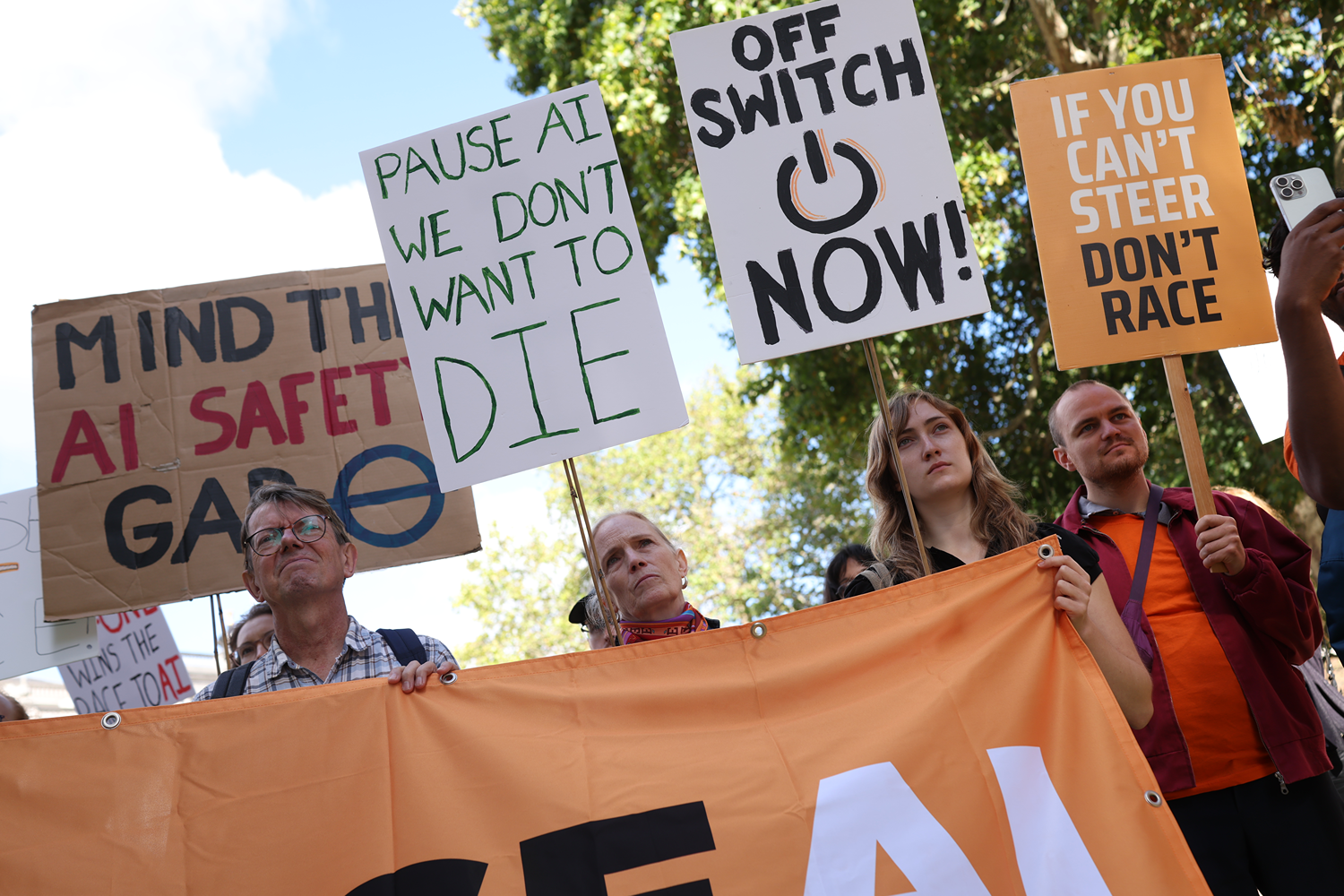
The Pope’s AI Guy Is Worried About ‘Cartel’ Behavior Among Big Labs
Paolo Benanti tells WIRED that hysteria over whether godlike AI could destroy humanity is distracting from the need for public debate about how to govern the technology.
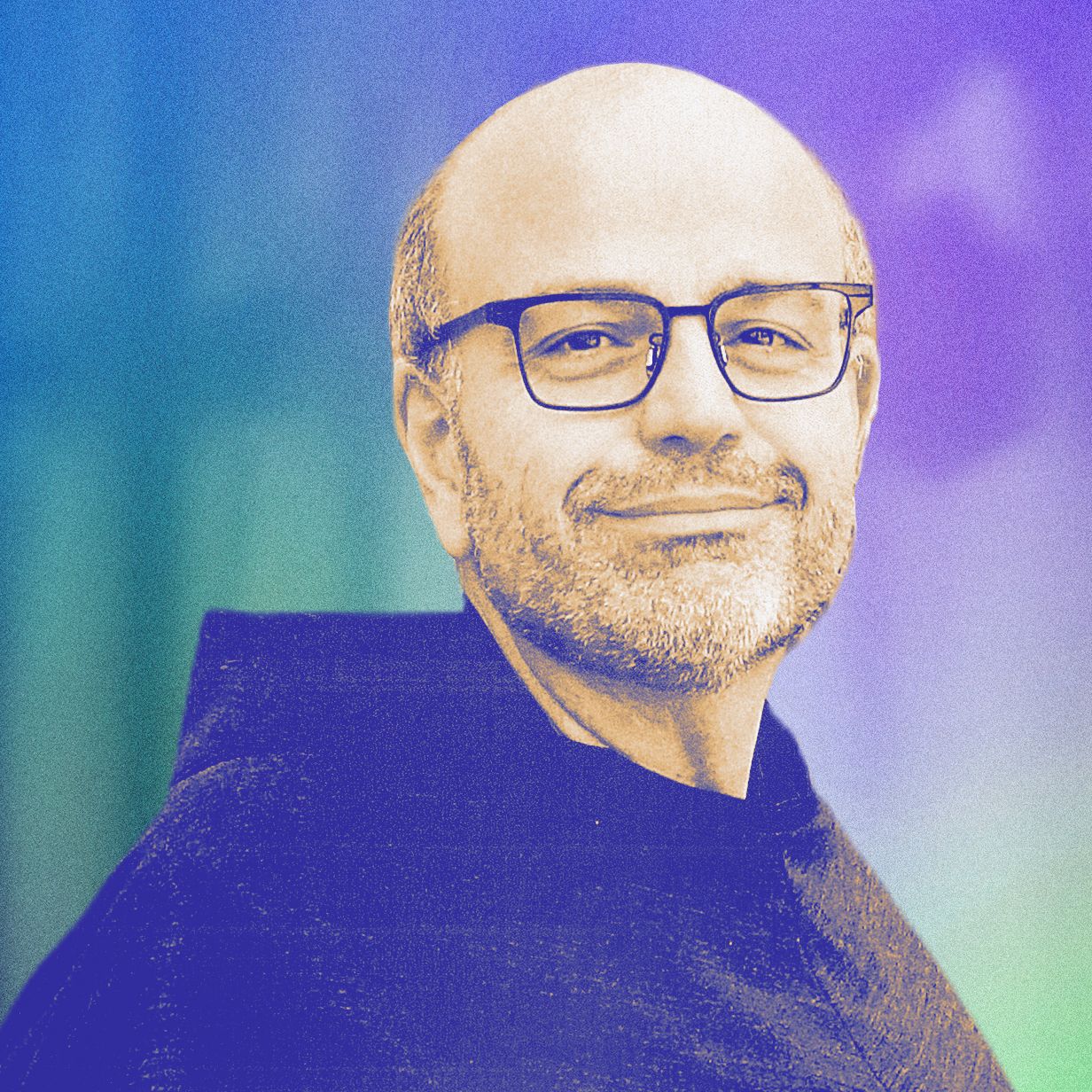
Father Paolo Benanti, a priest who advises the Catholic Church on AI, expresses concern over the "cartel" behavior among major AI labs. He argues that the focus on superintelligence distracts from the need for open debate on how to limit the power of the companies developing the technology. According to Benanti, by presenting the problem as too complex for anyone else to handle, the big labs exclude everyone from the conversation.
He believes that ethics should be debated in the public square, not confined to the boardrooms of corporations. Benanti advocates for democratic regulation, suggesting that standards should not be designed by the labs themselves but rather established through broader public discourse. The AI industry's approach to superintelligence, with its language evoking divinity, may skew the discussion and lead to misplaced reverence.
Benanti emphasizes the need for brakes and a wheel, meaning human control over the technology, to ensure it benefits society.
Written by urgent.news from Wired's reporting — not their text. Machine-written — may contain errors; check the original before relying on it.
This story
This is one outlet's version. Read the fullest account.