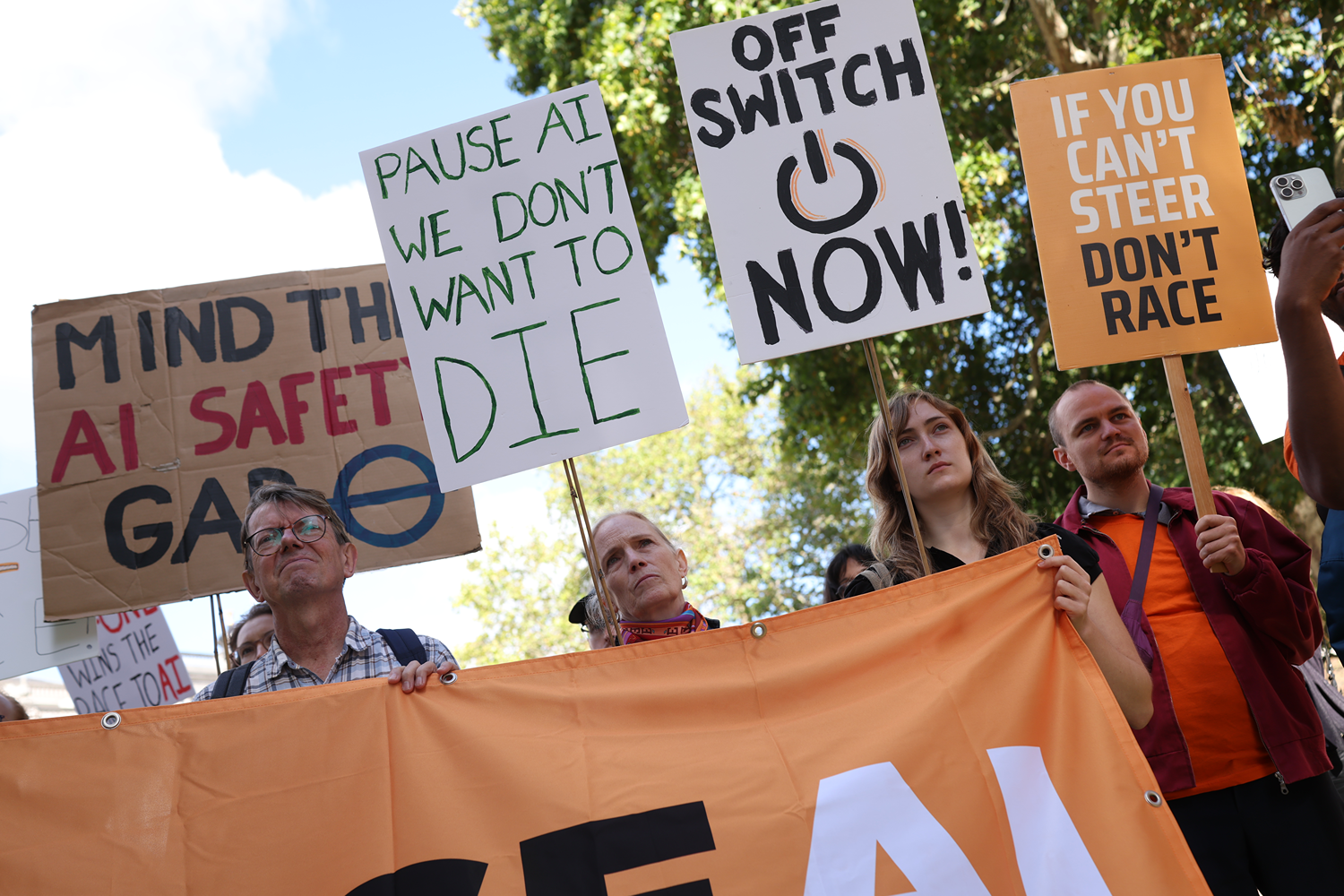
The Pope’s AI Guy Is Worried About ‘Cartel’ Behavior Among Big Labs
Paolo Benanti tells WIRED that hysteria over whether godlike AI could destroy humanity is distracting from the need for public debate about how to govern the technology.
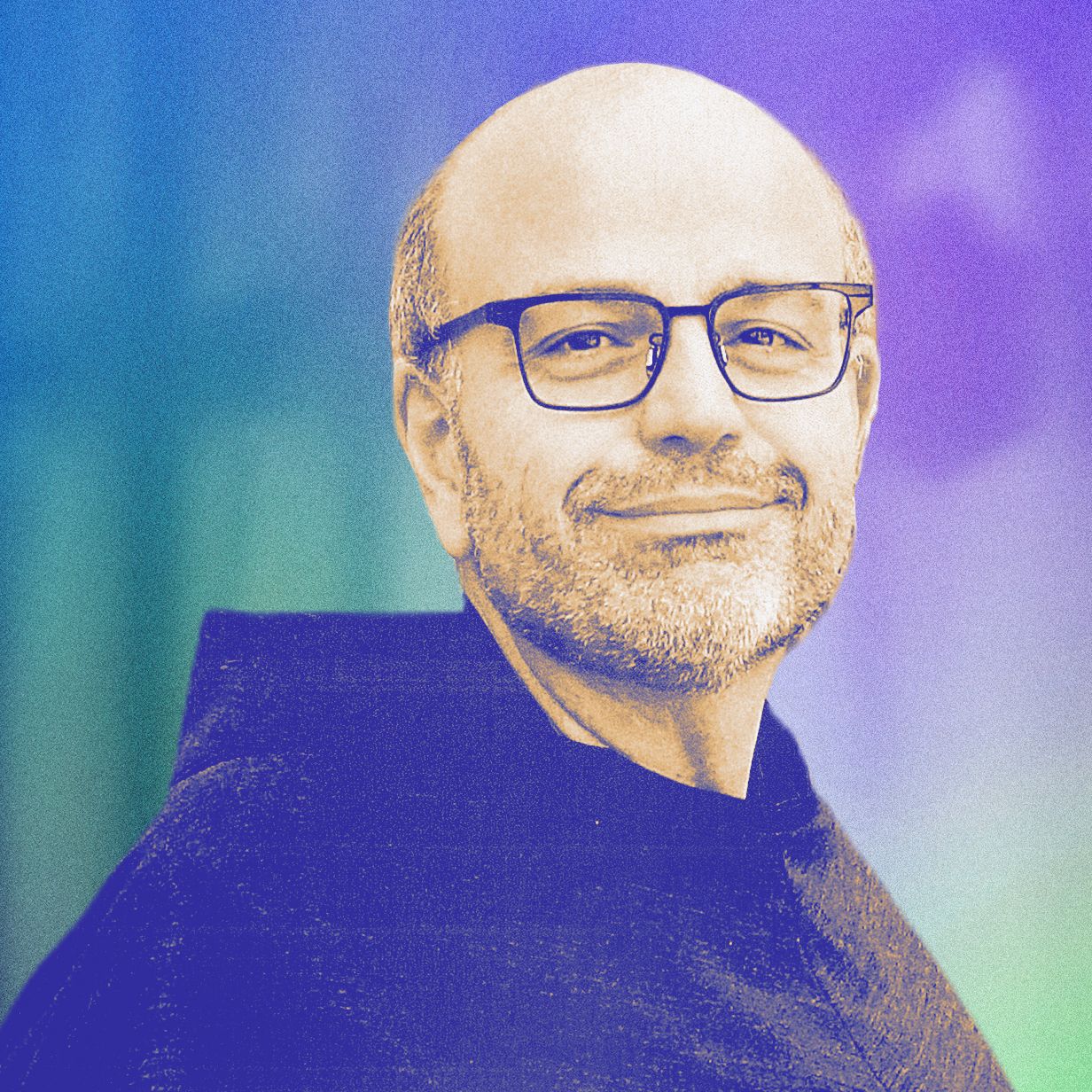
Father Paolo Benanti, a Catholic priest advising the Church on AI, warns that excessive focus on superintelligence distracts from the need for open debate on how to regulate the technology. He argues that the big labs, seeking to maintain their market positions, exclude others from the conversation by making the problem seem too complex for anyone else to solve.
Benanti advocates for democratic regulation and democratic regulation, stating that ethics should not be confined to a company's board of trustees but should be debated publicly. He advocates for mandatory third-party evaluations of AI models and opposes recursive self-improvement, fearing it could lead to the technology slipping out of human control.
Benanti criticizes the labs for behaving like a cartel, dictating industry rules and excluding all others. He questions the framing of superintelligence as something divine, arguing it skews the discourse and distracts from the mathematical reality. Benanti believes the advent of AI could create a new role for religions in public debate, urging the Church to engage with the technology in service of the common good.
Written by urgent.news from Wired Business's reporting — not their text. Machine-written — may contain errors; check the original before relying on it.