The FAA Is Testing an AI-Powered Air Traffic Management Tool
No, ChatGPT will not be clearing you for takeoff.
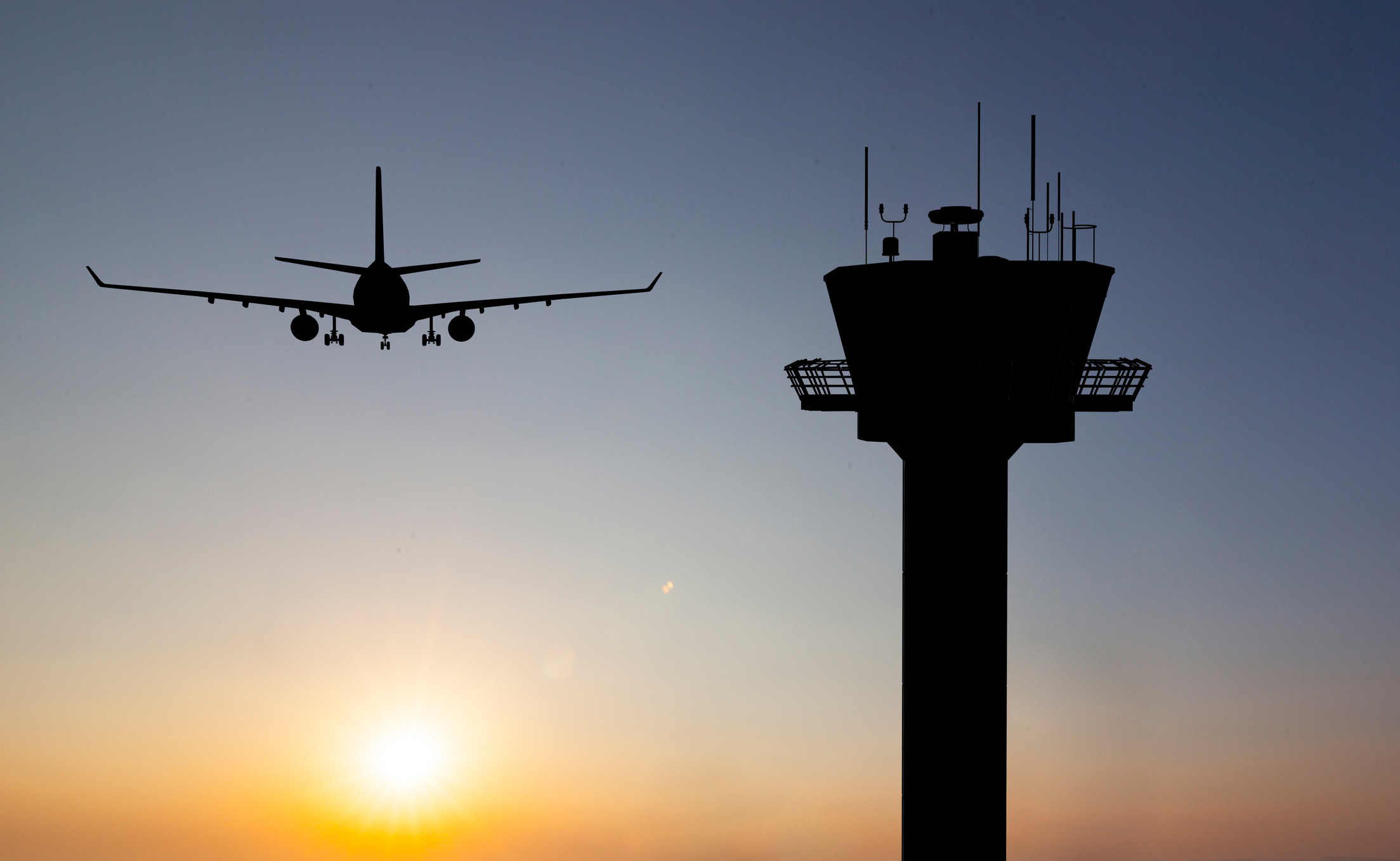
The Federal Aviation Administration (FAA) and the US Department of Transportation (DOT) are testing a new AI-powered air traffic management tool called Strategic Management of Airspace Routes and Trajectories (SMART) at three major airports near Washington D.C. This $875 million software upgrade aims to address the shortage of air traffic control personnel, which has led to delays and congestion in the nation's airspace.
SMART is not intended to replace human air traffic control operators, but rather to complement their efforts by predicting delays and cancellations, and providing recommendations to the human controllers who retain control over flight operations. The DOT envisions this tool as a step towards upgrading the FAA from a reactive approach to a predictive one, ultimately reducing delays, stress on controllers, and travel costs.
The tool will integrate 200 data streams, including flight paths, wind, weather, staffing metrics, and more, into a centralized platform for comprehensive management of flights. Human controllers will then use this consolidated data to anticipate demand, weather, and airspace constraints, planning hours, days, and even weeks ahead.
While SMART represents an important first step in addressing the aging air traffic control infrastructure, it is crucial to maintain the human element in this system. Experts emphasize the importance of proper training and safeguards during the implementation and testing phases. The National Air Traffic Controllers Association has expressed concerns that any new technology should complement, not replace, the experience, training, and professional judgment of air traffic controllers.
With top airlines expressing support for the initiative, the FAA plans to gradually expand SMART to other airports across the country. However, it is essential to approach this technology with caution, ensuring that the necessary training and safeguards are in place to maintain safety and efficiency in the nation's air traffic system.
Written by urgent.news from CNET's reporting — not their text. Machine-written — may contain errors; check the original before relying on it.