SmartLabels QR Code Organizing System Review (2026): AI Made Sense of My Junk Drawer
SmartLabels can inventory everything in a photo, but I tested whether its AI could survive the chaos of my busy household.
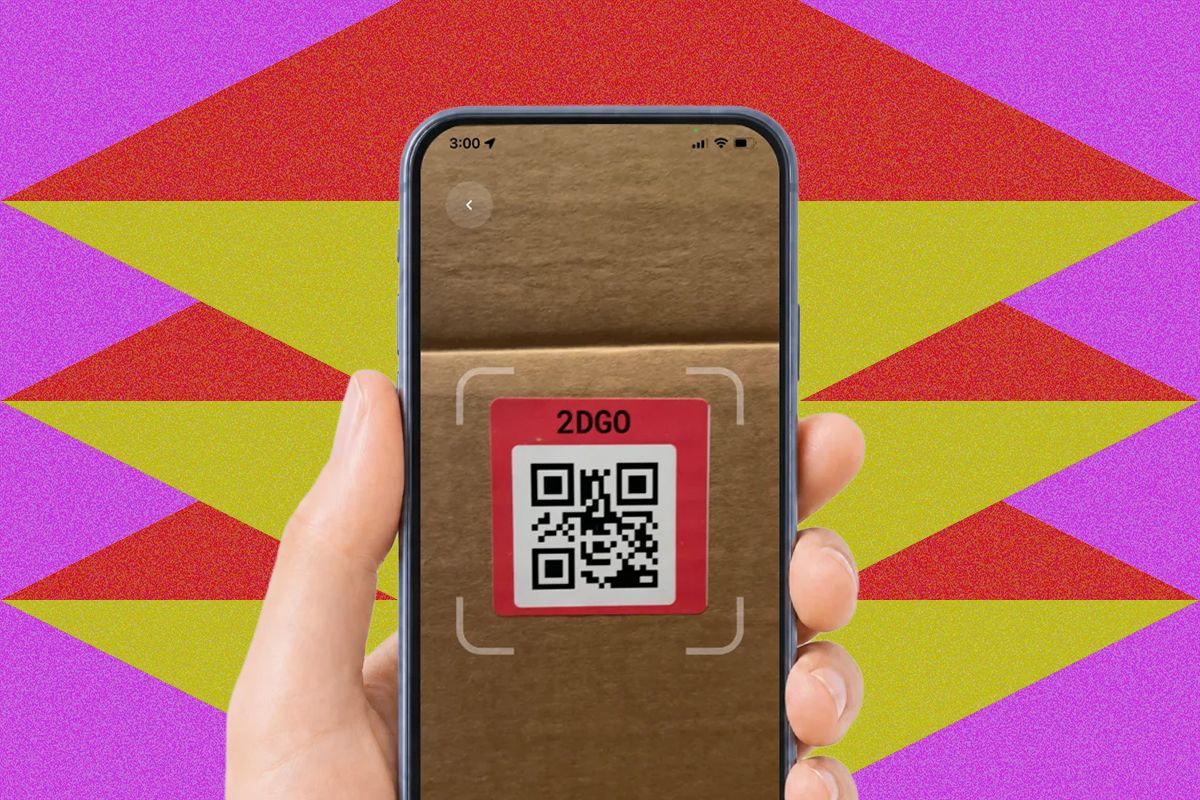
The SmartLabels QR code organizing system aims to bring order to cluttered storage spaces, like junk drawers or storage boxes. Adopting a QR code sticker for the exterior of a storage container and a companion app for tracking its contents, the system promises a digital inventory of belongings. However, the system's effectiveness relies heavily on the user's commitment to updating the app with new items and maintaining an accurate inventory.
The SmartLabels kit includes 48 unique QR-code stickers and a free app compatible with both iOS and Android devices. To use the system, users must download the app, select a QR code sticker, and photograph both the QR code and the contents of the storage bin. While the app generates an AI-powered itemized inventory, it may inaccurately identify certain products, such as mistaking hand sanitizer for liquid blush or failing to recognize expired items.
It's crucial for users to cross-reference the app's inventory with their own photo to ensure accuracy.
The system is particularly useful for rarely accessed storage areas, like a baby keepsake box, as it provides photo evidence of where to find specific items. However, frequent use may lead to forgetfulness, rendering the system less effective. SmartLabels doesn't account for changes in storage items, so users must manually update the app if items are moved or replaced.
While the system offers aesthetic benefits, such as neatly arranged storage, its utility depends on the frequency of access to the stored items. For action-oriented users, the system proves invaluable in keeping track of essential, seldom-accessed items.
Written by urgent.news from Wired's reporting — not their text. Machine-written — may contain errors; check the original before relying on it.