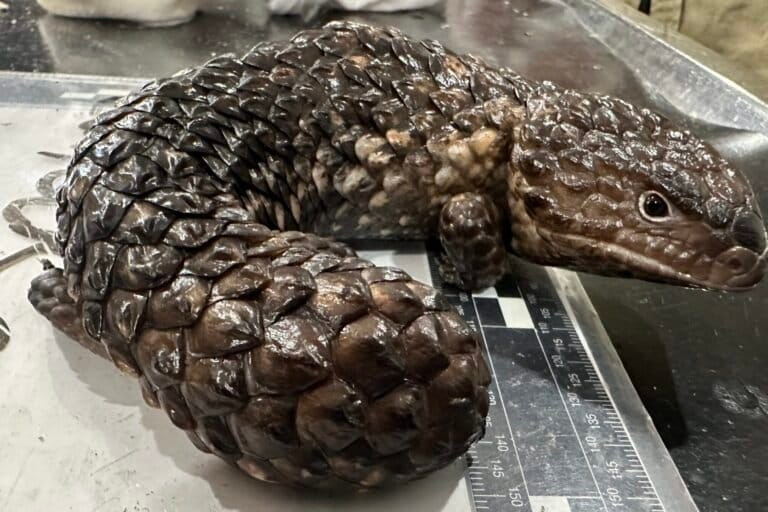
Reptiles, gold and money: How Australia is cracking down on wildlife trafficking
In Australia in May 2026, Yang Zeng, a 28-year-old Chinese national who was unlawfully in the country, was sentenced to two and a half years in prison. Zeng was convicted on nine charges related to the illegal export of native wildlife to Hong Kong, according to Australia’s Department of Climate Change, Energy, the Environment and […]
H5N1 avian influenza is rapidly spreading across southeastern Australia due to infected wild bird species such as little penguins, magpies, crested terns, and pelicans. Victoria's chief biodiversity officer, James Todd, predicts that bird aggregations during breeding seasons will accelerate transmission to mammals. In late August, H5N1 was detected in a red fox in Adelaide, South Australia.
According to media reports, scavenging pests may spread the virus indirectly by moving infected carcasses across habitats. In September, state authorities confirmed H5N1 in an Australian sea lion and a common dolphin. The sea lion, a critically endangered species, succumbed to the virus after recovering from a shark attack. Cetacean researcher Mike Bossley expressed shock and concern over the rapid contraction of the disease by the dolphin.
South Australia has also recorded bird flu in long-nosed fur seals and confirmed the nation's first pelican case on the Yorke Peninsula. Professor Bill Bateman of Curtin University emphasized the significance of the first confirmed H5N1 death recorded for the Australian sea lion in Australia, highlighting the evolving H5N1 strain's ability to invade a mammal's central nervous system.
Written by urgent.news from Mongabay's reporting — not their text. Machine-written — may contain errors; check the original before relying on it.
This story
This is one outlet's version. Read the fullest account.
- H5N1 bird flu jumps to marine mammals and wildlife in Australia news.mongabay.com