Reports of violence against women and girls surge amid war in Gaza, UN agency finds
By: Nana Karikari, Senior Global Affairs Correspondent The protracted crisis in the Gaza Strip has triggered a sharp escalation in violence against women and girls. A series of recent reports from the UN Population Fund (UNFPA) highlights how the ongoing war has systematically eroded social structures. Ten organizations contributed data to an analysis revealing that […]
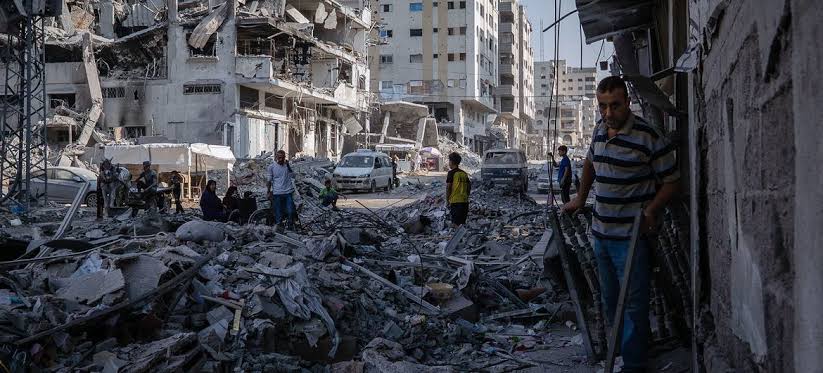
The ongoing war in Gaza has led to a significant rise in violence against women and girls, according to a recent analysis by the UN Population Fund (UNFPA). The prolonged crisis has resulted in a breakdown of social structures, leading to severe risks of gender-based violence.
Disclosures from displaced women in crowded camps in Gaza City and Khan Younis reveal harsh realities. One woman described how rape victims are often forced into marriage with their attackers to avoid social stigma. Another recounted how a father married off his fourteen-year-old daughter to receive food during a severe famine. Six women from different camps shared similar stories of survival through exchange arrangements.
Data from UNFPA shows a alarming increase in early and forced marriages by 123% in the second quarter of 2026 compared to the first. These marriages involve girls aged 12 to 17. The breakdown of social norms and the collapse of public services have contributed to this trend. Education has also been severely impacted, with girls now facing higher risks of sexual harassment in a conservative society.
Health consequences are particularly severe for adolescent pregnant women, who face higher risks of miscarriages and giving birth to underweight babies. The legal framework has also weakened, as Islamic courts responsible for family matters were closed for a significant portion of the war.
Sexual violence remains under-reported due to fear of stigma and retaliation. A sixty-one percent surge in absolute case numbers was reported from April to June 2026, with sexual violence incidents accounting for 2.7% of total gender-based violence incidents. Widows and women with detained or missing husbands are particularly vulnerable to exploitation.
Humanitarian organizations emphasize that risks to women could be significantly reduced by improving humanitarian conditions, including providing better shelters, upgrading sanitation facilities, and increasing lighting in the territory. Efforts are also focused on restoring education and healthcare, as well as combating domestic violence and child marriage. Despite the conflict's devastating impact, women in Gaza remain hopeful for a future where they can live with safety and dignity.
Written by urgent.news from GBC Ghana's reporting — not their text. Machine-written — may contain errors; check the original before relying on it.