Rendang is not supposed to be crispy, but who owns it?
LETTERS: A chef and a lawyer on lost recipes, and how to keep them alive. One of us cooks. The other argues in court. Different trades, same concern: what we inherit, and what we pass on.
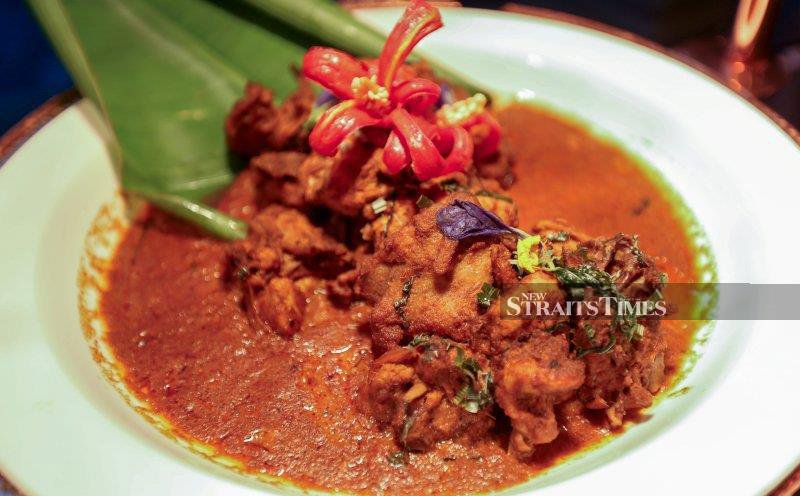
A British judge's criticism of a Malaysian contestant's chicken rendang, stating that its skin was not crispy, sparked controversy in 2018. This led to Malaysia erupting in discussion over the dish. The chef made it clear that a slow-braised chicken rendang is not meant to have crisp skin. Over time, the author traveled Malaysia and studied traditional food, learning about the threat to Malaysian cooking.
The real threat was not the British television judge, but the disappearance of traditional recipes. Many recipes are lost due to various reasons like time constraints, ingredient availability, or the passing of elders. The question of who owns rendang is the wrong place to start. Copyright law protects the original words and photographs used to present a recipe, but not the underlying idea or method of cooking.
Trademark law cannot monopolize rendang as the common name of the dish. Geographical indications can protect a qualifying food name tied to a place, but this does not make one person the owner of the dish. Unesco recognition raises visibility and awareness of living heritage and encourages efforts to safeguard it. The law does not give any chef, company, or country a general monopoly over rendang.
Stewardship of a dish is practiced at the stove, not declared in court. The proposed solution is a Living Culinary Archive for Malaysia, recording dishes with the families who keep them, not from them. This would include names, variants, stories, and techniques, on video and audio, with the cooks themselves. This ensures that consent and credit can travel with the knowledge.
Written by urgent.news from New Straits Times's reporting — not their text. Machine-written — may contain errors; check the original before relying on it.