Rare snails lay eggs during car journey to zoo
The zoo near Canterbury says glutinous snails started laying eggs on their way to Kent.
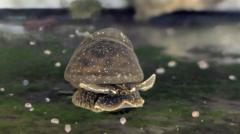
A rare snail species, native to only one lake in the UK, was observed laying eggs during a six-hour journey from Wales to Kent, as part of a nationwide conservation effort. The Glutinous snail, typically no larger than a fingertip, was once widespread across UK waterways but has seen a significant decline due to habitat disruption and environmental changes, driving them to the brink of extinction.
Wingham Wildlife Park near Canterbury, in collaboration with other zoos, has been instrumental in breeding and releasing the species back into the wild.
Samantha Eden, assistant curator at Wingham Wildlife Park, started with six snails and has since established a new colony. During the return journey from Wales, where the snails were sourced, 12 egg pods were laid while the transport journey lasted. The park has successfully moved 130 young snails out of the original pond to establish a new colony.
Despite the slow pace associated with snails, breeding efforts at the park are progressing well, according to Samantha Eden. Hannah Ellins, head of reptiles and invertebrates at the park, shared that while the zoo primarily focuses on exotic animals, it's rewarding to contribute to the conservation of these rare snails. The initiative is part of a broader national campaign to protect the rare species.
Wingham Wildlife Park is joining forces with Askham Bryan Wildlife Park in York, Longleat in Wiltshire, and Dudley and Chester zoos for this project. The Freshwater Habitats Trust is actively searching for suitable water bodies where these snails could eventually be reintroduced into the wild.
Written by urgent.news from BBC Science's reporting — not their text. Machine-written — may contain errors; check the original before relying on it.