Oil tanker earnings near $650,000 per day as Middle East disruption deepens
The cost of hauling crude across the world’s key oil routes has surged to record levels, with supertanker earnings approaching $650,000 a day as Middle East disruption ties up vessels and squeezes available shipping capacity . Average spot earnings for Very Large Crude Carriers, or VLCCs, have jumped 40 per cent in the past week to almost $642,000 a day globally, according to Clarksons Research,…
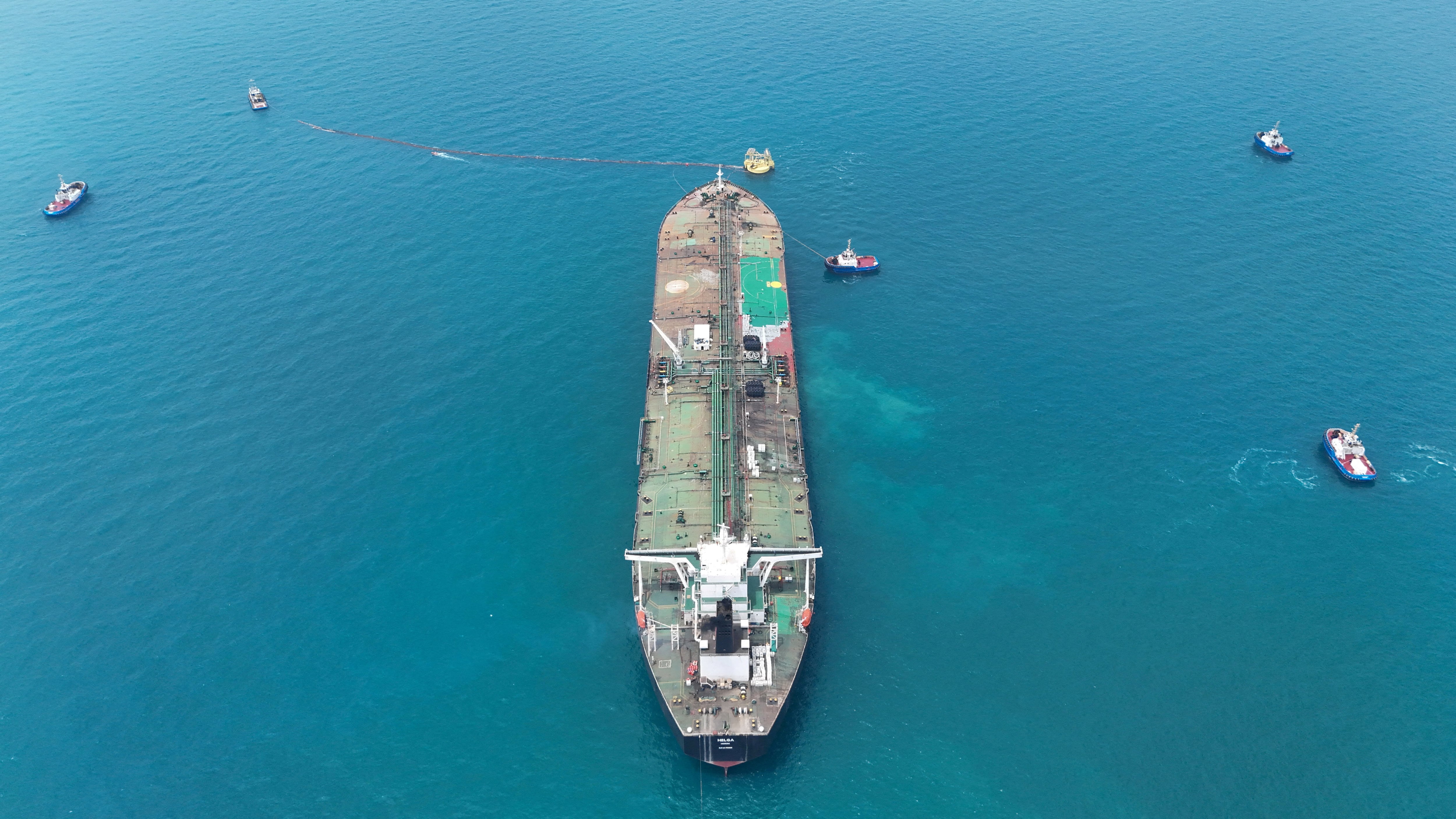
Oil tanker profits have surged to staggering heights, reaching nearly $650,000 daily, as unrest in the Middle East disrupts global shipping lanes. Average earnings for Very Large Crude Carriers (VLCCs) have jumped 40% in a single week, now hitting almost $642,000 daily, according to Clarksons Research. This boom in profits can be traced to restrictions at the Strait of Hormuz and Bab Al Mandeb, forcing tankers to take longer routes and engage in complex ship-to-ship transfers.
The impact is most severe on specific routes, such as the Oman-to-South Korea and U.S. Gulf-to-China voyages, where earnings have soared to $845,000 daily and $50 million per voyage, respectively. Despite crude flows from the Arabian Gulf recovering, the disruption has shifted from simply keeping oil off the market to tying up the ships required to transport it.
The situation has led to high-stakes speculation in the tanker industry, with one fund, Breakwave, witnessing a share price surge of over 3,600%. The Strait of Hormuz, a critical chokepoint between the Gulf and the world, has faced significant constraints since the U.S.-Israeli war on Iran began in late February. Clarksons estimates that at least nine million barrels per day passed through the Strait over the past week, though this remains six million barrels below pre-conflict levels.
To circumvent these restrictions, tankers are engaging in "shuttling," where vessels transport crude from the Arabian Gulf, switch off AIS tracking, and later transfer the cargo to another ship. However, this process creates its own bottlenecks, with about 15% of the global VLCC fleet now in the Gulf of Oman, effectively reducing the number of available tankers elsewhere and driving rates higher.
The disruption extends beyond crude oil, with increased use of liquefied natural gas carriers for ship-to-ship transfers. Saudi Arabia has relied on its East-West pipeline to shift crude exports away from the Gulf, but this route came under attack on September 10 when drones launched from Iran targeted the pipeline in Riyadh and Medinah, causing fires and damage.
In response, the Red Sea routes have come under threat, with the Houthi military declaring a naval blockade on Saudi Arabia and restricting vessel crossings through the Bab Al Mandeb strait. Despite these challenges, energy markets have remained relatively resilient, with Brent crude falling below $100 a barrel as Gulf flows increase and expectations rise that the East-West pipeline will return to operation faster than anticipated.
However, for the ships carrying the oil, the disruption has been severe, as longer journey times and significant fleet involvement in Arabian Gulf logistics have made tanker capacity scarce, resulting in unprecedented freight rates.
Written by urgent.news from The National Business's reporting — not their text. Machine-written — may contain errors; check the original before relying on it.
This story
This is one outlet's version. Read the fullest account.
- Oil tanker earnings near $650,000 per day as Middle East disruption deepens thenationalnews.com
- ADB expects Pakistan's GDP growth at 3.7% in FY27 as Middle East conflict weighs on economy brecorder.com
- UAE leads Middle East private capital market as investor confidence surges gulfnews.com
- ADB keeps Pakistan growth forecast at 3.7pc dailytimes.com.pk