NASA Modernizes Commercial Airline Systems
NASA’s researchers know that when you settle into your seat on a commercial flight, you expect a smooth takeoff, views over the clouds, a steady descent, and hopefully an early arrival at your destination. But when your flight gets delayed on the tarmac instead of lifting off, or it ends up in a holding pattern […] The post NASA Modernizes Commercial Airline Systems appeared first on NASA Science…
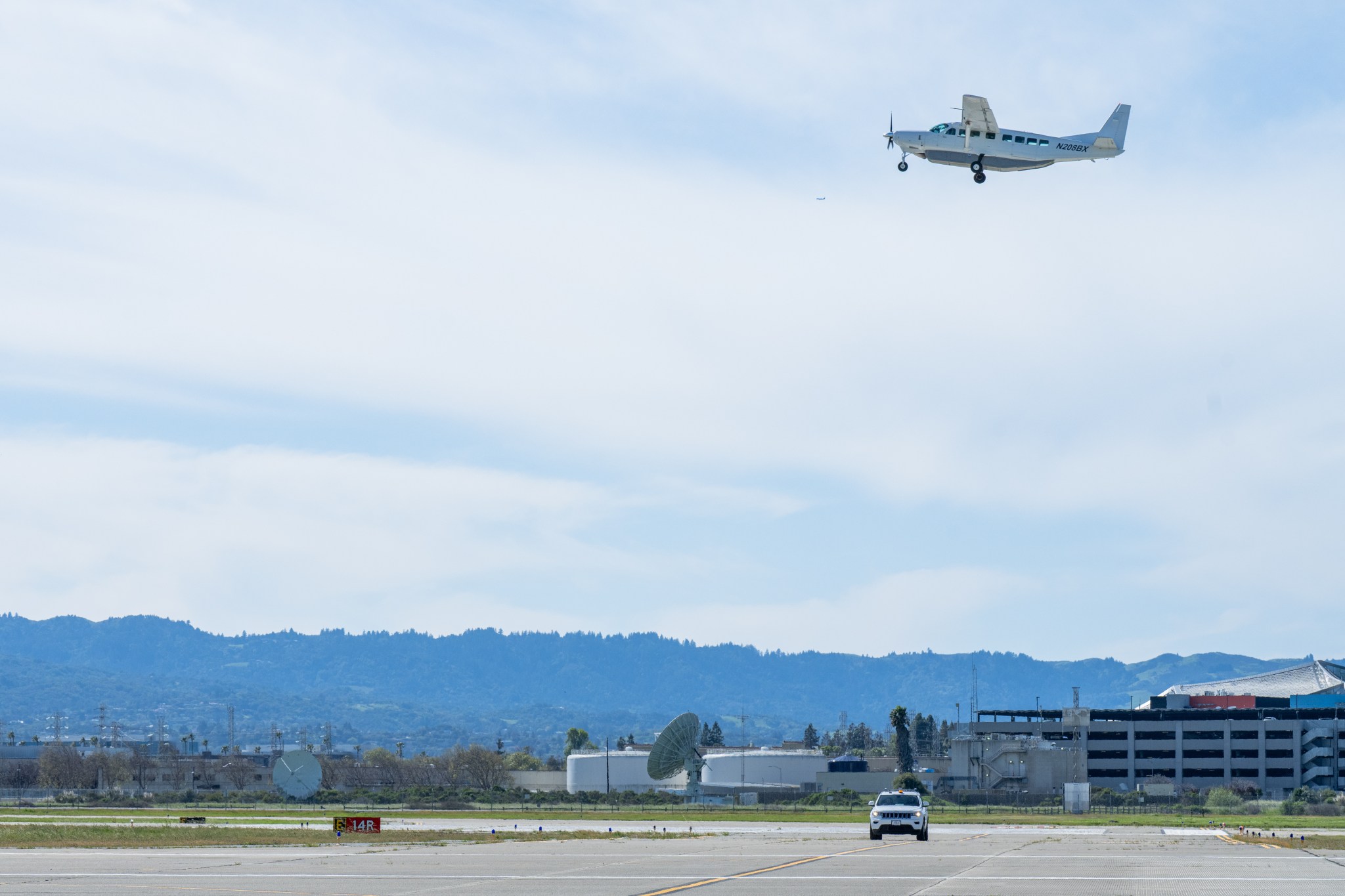
NASA researchers conducted tests at its Ames Research Center in California's Silicon Valley to demonstrate how autonomous technology could detect runway obstacles that could endanger aircraft during landings. The tests aimed to identify vehicles, suitcases, or other obstacles that could impact a safe landing. To improve efficiency and safety in large, busy airports with crowded taxiways, NASA and Boeing collaborated to advance three types of field tests – digital taxi information, safe taxiways, and safe runways.
During digital taxi tests, pilots received visual guidance on cockpit displays or tablets, reducing pilot and air traffic controller workloads and minimizing verbal errors. Safe runway technology testing enhanced situational awareness for approaching aircraft by detecting vehicles on the runway, ensuring pilots could avoid potential collisions.
The next step involves integrating these sensor systems into a simulated air traffic control environment to evaluate their overall impact on airspace management. NASA's research focuses on modernizing the commercial airline system, making flights safer and more reliable by streamlining and digitizing the flying experience from departure to landing.
By sharing real-time flight information with airline operations centers and air traffic control, NASA aims to optimize traffic sequencing, reducing holding patterns and resulting in fewer delays, less fuel consumption, and more predictable operations for passengers.
Written by urgent.news from NASA Science's reporting — not their text. Machine-written — may contain errors; check the original before relying on it.
This story
This is one outlet's version. Read the fullest account.