NASA Modernizes Commercial Airline Systems
NASA’s researchers know that when you settle into your seat on a commercial flight, you expect a smooth takeoff, views over the clouds, a steady descent, and hopefully an early arrival at your destination. But when your flight gets delayed on the tarmac instead of lifting off, or it ends up in a holding pattern […]
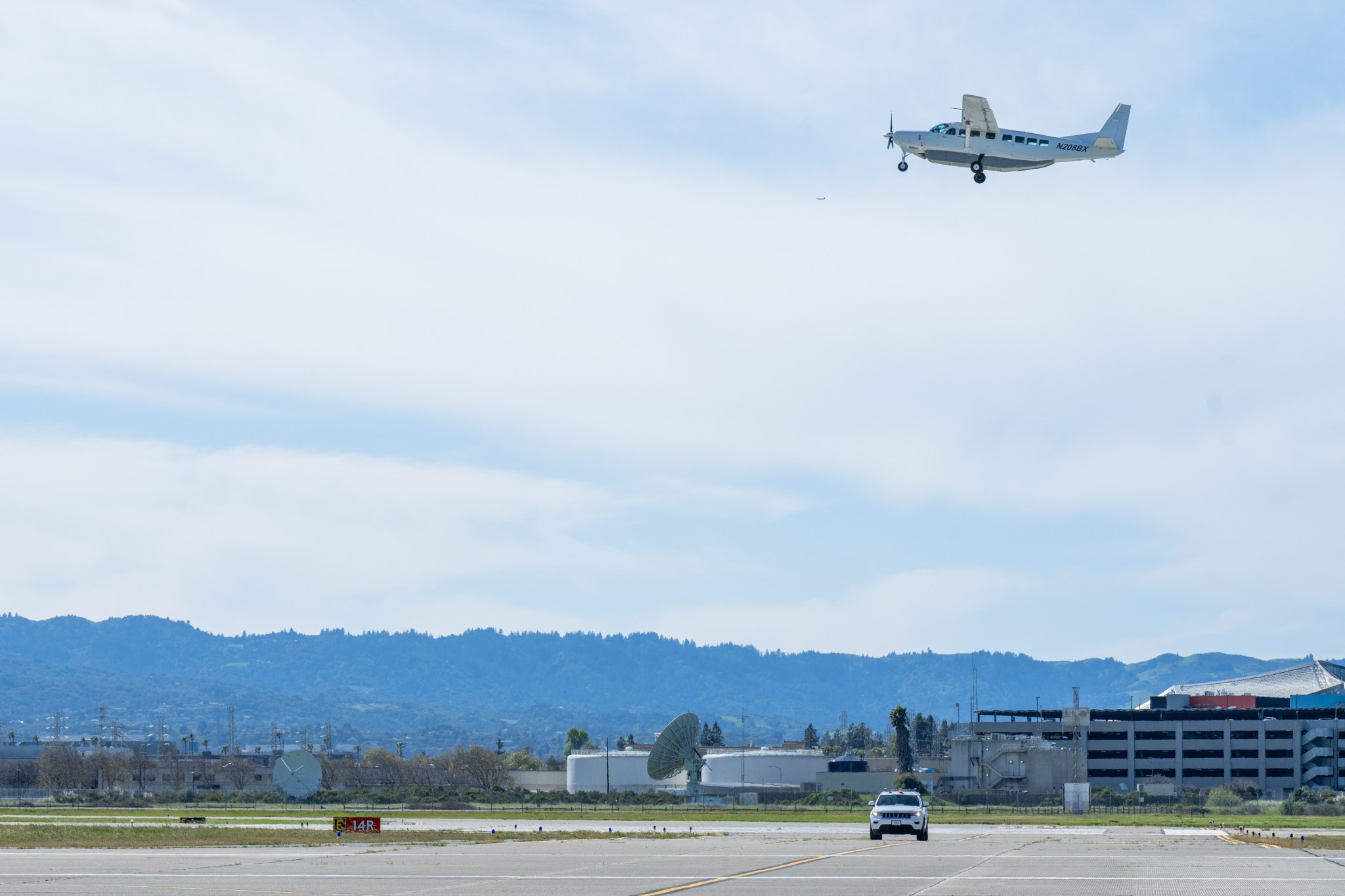
NASA is modernizing commercial airline systems with new technologies aimed at enhancing safety and efficiency. At NASA's Ames Research Center in California's Silicon Valley, researchers have been testing autonomous systems that could detect obstacles on runways and taxiways, potentially preventing incidents that cause flight delays.
During a test in 2026, the system successfully identified a vehicle on the runway, providing additional awareness to pilots and ensuring safe landings. Researchers are also developing digital taxi information systems that give pilots visual guidance on taxiways instead of verbal instructions from air traffic controllers. This reduces pilot and controller workloads and the risk of errors.
Safe runway testing involves sensors that can flag vehicles or other obstacles on runways, improving pilots' situational awareness. These technologies aim to streamline airport operations, decrease miscommunication, and ease pilot workloads. NASA's efforts include integrating sensor and digital taxi systems into a simulated air traffic control environment to evaluate their broader impact on airspace management.
Parimal Kopardekar, director of NASA's Airspace Operations and Safety project, emphasizes that safety is paramount in NASA's research. The agency's innovations, such as real-time trajectory sharing between airlines and air traffic control, help optimize flight paths and reduce delays. This technology, now transferred to the Federal Aviation Administration (FAA), allows dispatchers and controllers to see a unified digital picture of flights, facilitating smoother operations.
NASA's contributions to modernizing the National Airspace System include advancing automation concepts, improving arrival and departure flows, and introducing data-driven software used by commercial airlines. By collaborating with airlines and manufacturers, NASA aims to enhance all aspects of flight, making air travel safer and more reliable for the future.
Written by urgent.news from NASA's reporting — not their text. Machine-written — may contain errors; check the original before relying on it.