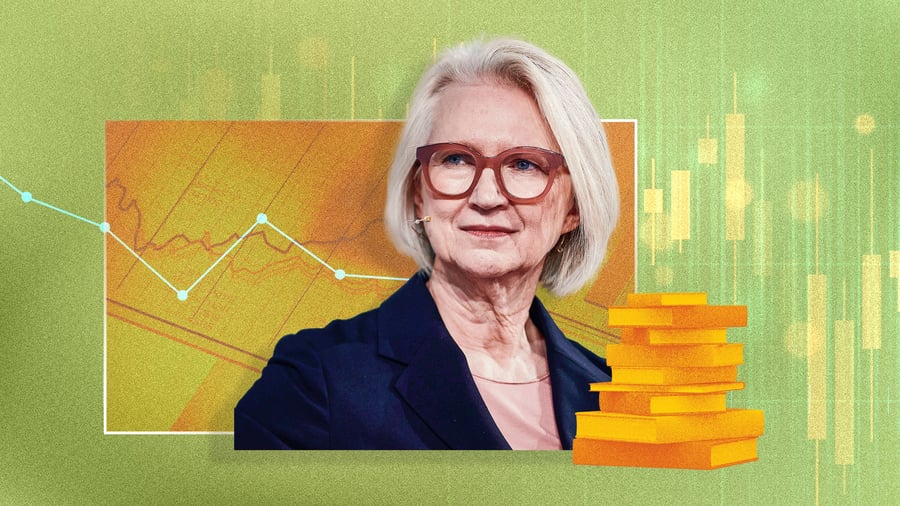
Monika Schnitzer: The coalition is handing out soothing pills with a lot of empathy
With fuel discounts and energy aid, politics wants to relieve citizens. In reality, it only distributes losses and creates a new claim on the state from every crisis. A guest post.
In a country plagued by the perception that the state is too large, too expensive, and too aggressive, there is a growing demand for the very state that people criticize. When an external shock strikes their wallets, the call for state assistance becomes even more intense. For example, when fuel prices rise, the state is expected to provide relief.
If gas prices remain high during the upcoming heating season, the next demand for government support is likely to be just around the corner. The political establishment has helped foster these expectations. In the current year alone, the energy tax on gasoline and diesel was reduced for two months, costing around 1.6 billion euros.
Starting in October and continuing through December, an additional relief measure will follow, totaling approximately 2.5 billion euros. Despite already cutting billions in gas and electricity costs for households and businesses, the federal government's role in crises is crucial. The promise of the welfare state is that when individuals or communities face existential threats due to external shocks, they can rely on the collective support to provide a safety net. However, the challenge arises when every economic downturn becomes a claim for compensation.
Written by urgent.news from Handelsblatt's reporting — not their text. Machine-written — may contain errors; check the original before relying on it.