Krisis N Sembilan: Peguam adat Melayu mohon Majlis Raja-Raja teliti proses, beri nasihat
Langkah itu harus diambil memandangkan Majlis Raja-Raja mempunyai kedudukan istimewa dalam institusi diraja, kata peguam.
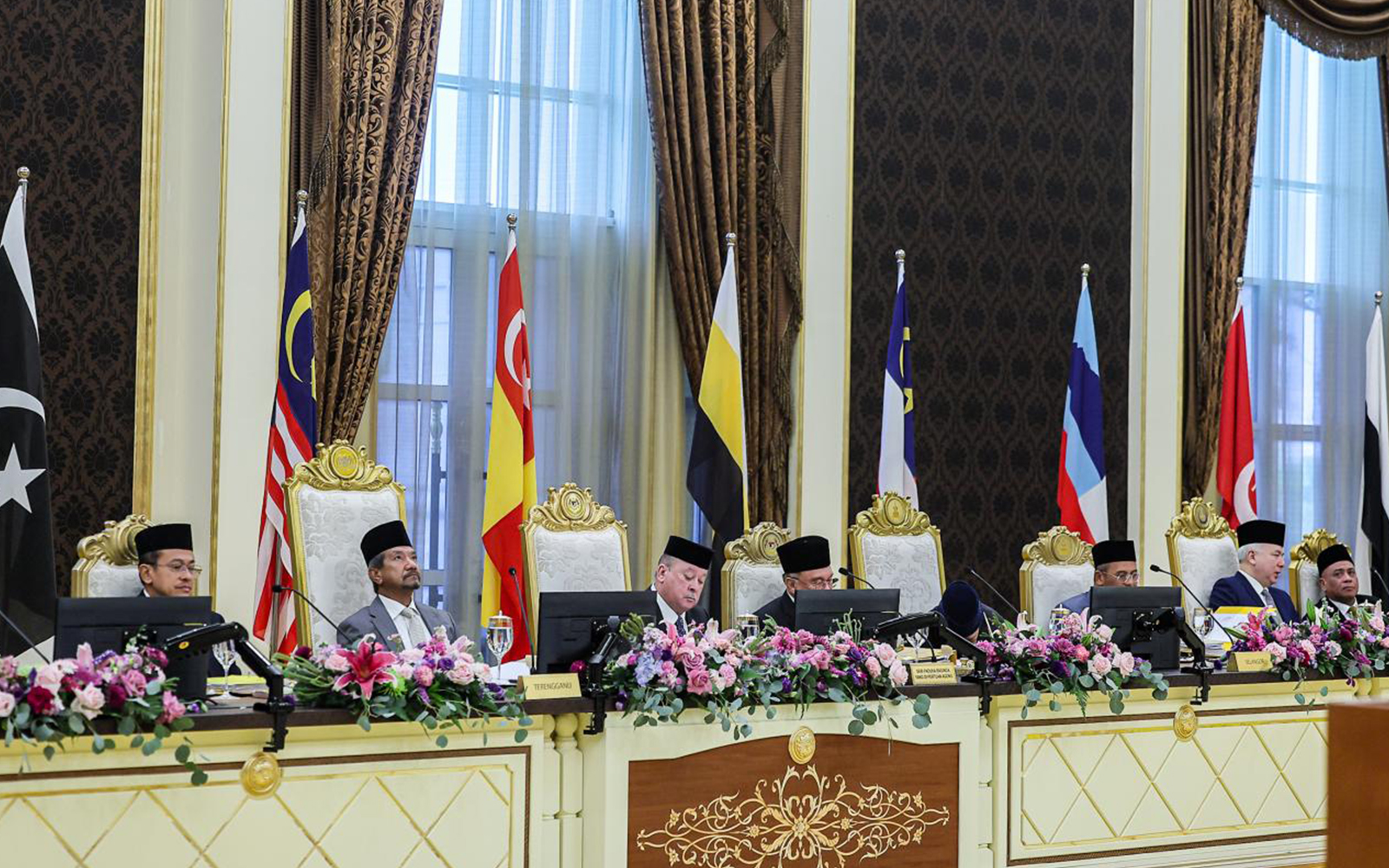
Barisan Peguam Adat Melayu Negeri Sembilan is urging Majlis Raja-Raja to investigate the recent crisis and provide guidance, citing the unique standing of the body due to its role in matters concerning the monarchy, privileges, and dignity. The group's secretariat, represented by Emirul Sarifudin Nor Azmi, Asmawi Ismail, and Deidra Nur Azmi, emphasized that the investigation must consider the full timeline of events, beginning with the Dewan Keadilan dan Undang (DKU) meeting on March 5, 2026, followed by developments on April 17 and the four undivided undangs on April 19.
They stressed that this step is necessary considering Majlis Raja-Raja's specialized role in constitutional matters, privileges, and royal dignity. Consequently, the secretariat respectfully requests permission from Majlis Raja-Raja to examine the proceedings to assess and advise whether every action taken, particularly the succession of the throne and replacement of the Yang Dipertuan Besar and undangs, complies with the National Constitution Body of Negeri Sembilan (UUTKNS) 1959 and adheres to the rule of law.
The secretariat hopes that the investigation by Majlis Raja-Raja will be conducted fairly, meticulously, and promptly to safeguard the royal prerogative and the sanctity of UUTKNS. The secretariat also noted that federal authorities like the Prime Minister and Attorney General's Chambers should not interfere in matters of a king's ascension or reduction, as previously ruled out by the Attorney General's Chambers on September 17.
The Supreme Court was urged by legal scholar Aziz Bari to hold a special meeting to address the unrest in Negeri Sembilan, asserting that Majlis Raja-Raja is best positioned to propose a resolution that can end the conflict. Meanwhile, constitutional lawyer Bastian Pius Vendargon stated that Article 34 of UUTKNS 1959 allows for constitutional issues to be referred to the highest court for adjudication, suggesting that Article 34(3) grants the state government the power to refer constitutional matters to the Federal Court, which must then provide its opinion.
Written by urgent.news from Free Malaysia Today's reporting — not their text. Machine-written — may contain errors; check the original before relying on it.
This story
This is one outlet's version. Read the fullest account.
- Krisis N Sembilan: Peguam adat Melayu mohon Majlis Raja-Raja teliti proses, beri nasihat freemalaysiatoday.com