How ‘Effective Altruism’ went from fringe philosophy to Trump’s AI villain
The Trump administration has gone after effective altruism for promoting AI "doom." But critics say the campaign is a distraction from growing public concern about AI risk.
Effective Altruism (EA) is a philosophical movement that advocates using rational processes to maximize overall good for humanity. Founded in 2009 by two British academics, EA promotes a utilitarian approach to charity and ethics, focusing on quantifying the impact of different actions. Its core principle, "earn to give," encourages individuals to maximize their income and donate a significant portion to the most effective charities.
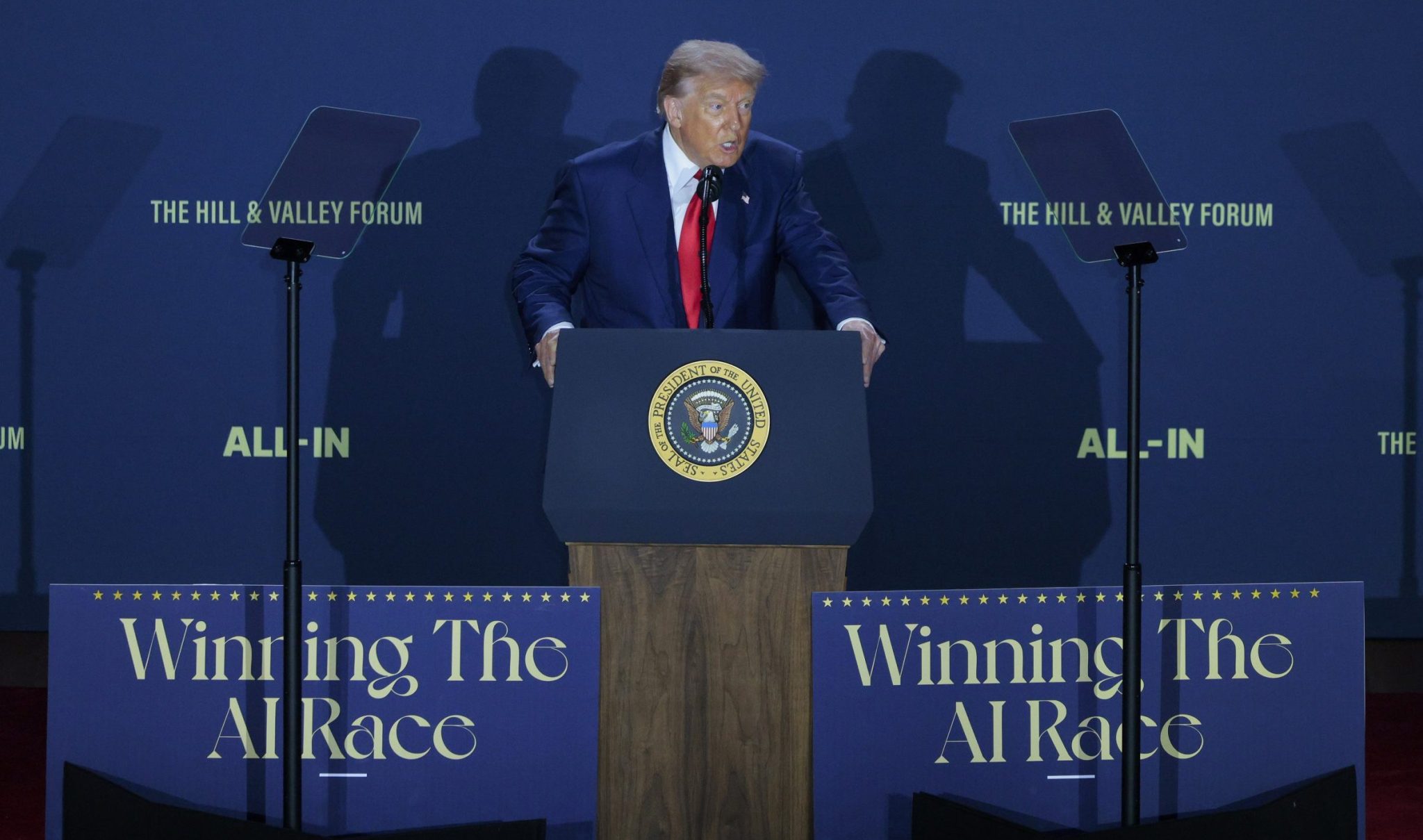
The philosophy has gained traction among tech professionals working at leading AI companies like OpenAI, Anthropic, and Google DeepMind. Many EA adherents are drawn to AI safety research, believing that failure to ensure advanced AI systems remain obedient to human values could lead to human extinction. This stance has led to conflicts with the Trump administration, which is wary of AI regulation due to fears of ceding technological ground to China and potential economic downturns.
The administration's aggressive campaign against EA, attacking its members' ideas as "dangerous" and "dystopian," has given EA a significant platform. While the administration's rhetoric may aim to discredit the broader anxiety about AI risk, it could instead strengthen the movement's position. With 63% of Americans expressing concern about AI's potential to destroy humanity, the debate surrounding EA is far from over.
Written by urgent.news from Fortune's reporting — not their text. Machine-written — may contain errors; check the original before relying on it.