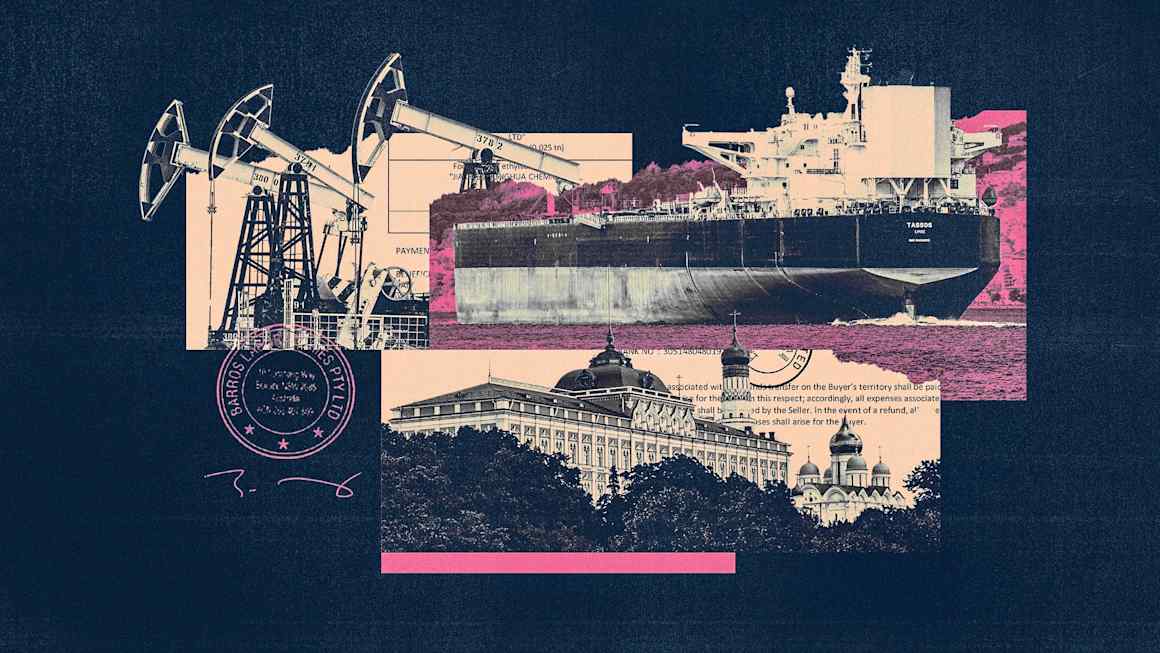
Hormuz Workarounds Keep Gulf Oil Flowing—at a Steep Cost
Ship-to-ship transfers and pipelines bypassing the Strait of Hormuz, where available, have become the primary export route for most Middle Eastern oil. Oil producers in the region have demonstrated what some see as remarkable adaptability to the new circumstances. In fact, it is a matter of survival. And it comes at a cost. This week saw a sharp drop in oil prices on the news that Saudi Arabia…
In the wake of Houthi attacks on Saudi infrastructure, Middle Eastern oil producers have been forced to find alternative export routes to bypass the Strait of Hormuz. Ship-to-ship transfers in the Gulf of Oman have become a common workaround for oil transport, particularly for Saudi Arabia, which had previously used the East-West pipeline to send crude to the Persian Gulf.
This method involves smaller vessels transferring cargo to larger tankers, but it comes at a significant cost, contributing to higher end prices for the oil. Saudi Arabia's East-West pipeline had been rerouting about 4 million barrels of crude daily across the country to the port of Yanbu before the attacks forced its shutdown. Without the pipeline, Aramco had to send more crude back to the Persian Gulf, leading to tens of millions of barrels being moved through Hormuz and ship-to-ship transfers.
This change in export routes has prompted oil exporters to discount their crude, especially Iraq, which has fewer alternatives due to its geographical location. The difference in oil flows through Hormuz is stark, with 6.5 million barrels daily as of early July compared to roughly 20 million barrels before the recent conflicts. Despite these challenges, traders and exporters have adapted, with the UAE boosting its oil exports to levels higher than last year, when the strait was open.
However, the cost of shipping these goods has skyrocketed, with freight charges for large crude carriers reaching as high as $30 per barrel, an all-time high, due to shipping risks and a shortage of supertankers willing to take on this dangerous route.
Written by urgent.news from OilPrice's reporting — not their text. Machine-written — may contain errors; check the original before relying on it.