Trucking Lawsuits: Why Nuclear Verdicts Keep Hitting
Nuclear verdicts in trucking are reshaping carrier risk, insurance costs and courtroom strategy. In this FW Today roundtable, Greg Reed of Hanson Bridgett and Drew Singleton Wilder of Vicarious Liability Risk Management break down what fleets, brokers and trucking leaders need to know. The panel digs into liability exposure, litigation trends and how the legal […] The post Trucking Lawsuits: Why…
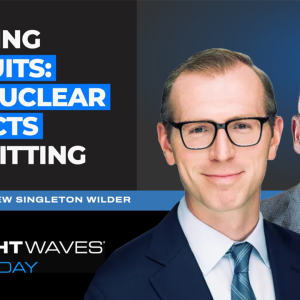
Trucking lawsuits are driving up carrier risk, insurance costs and changing courtroom tactics in the freight industry. Greg Reed of Hanson Bridgett and Drew Singleton Wilder of Vicarious Liability Risk Management discussed the implications of nuclear verdicts. The legal protection once granted to freight brokers under the Federal Aviation Administration Authorization Act preemption has significantly weakened.
Now, brokers can face direct liability for carrier selection. This exposure may even extend upstream to compliance technology platforms brokers use to assess carriers. Drew Singleton Wilder warned that the post-Montgomery landscape has led to a focus on tightening carrier contracts, but not enough scrutiny on the vetting technology platforms.
These platforms, like Highway and RMIS, need the same due diligence as carriers themselves. Greg Reed pointed out that the asymmetrical contractual relationships between shippers, brokers, and third-party data platforms can create information gaps. For instance, changes in a carrier's insurance status may not reach brokers or platforms quickly enough to avoid bad carrier selection.
Federal or state statutes currently governing B2B data broker relationships, such as those provided by the Fair Credit Reporting Act, are lacking. This leaves brokers vulnerable in the event of lawsuits. Even if a broker secures indemnification from platforms for data errors, these platforms are unlikely to provide it. A mid-sized broker's annual contract with a vetting platform ranges from $40,000 to $100,000, while large brokers spending a few hundred thousand dollars on such tools.
A $604 million verdict awarded to a carrier with a satisfactory FMCSA safety rating highlights the dangers of relying solely on regulatory compliance scores. Brokers are advised to develop robust in-house carrier-selection protocols and verify if their insurance policies cover losses linked to third-party vetting platform errors, including AI-related mistakes.
Written by urgent.news from FreightWaves's reporting — not their text. Machine-written — may contain errors; check the original before relying on it.