Hope for progress after US, Iran hold first shuttle talks in months
DUBAI/UNITED NATIONS, Sept 23 (Reuters) - The first shuttle talks between the United States and Iran for months raised hopes on Wednesday that the adversaries could make some progress towards ending the Middle East war, although neither side spelled out any change in their positions. Iran's Foreign Minister Abbas Araqchi and US envoys Steve Witkoff and Jared Kushner communicated through mediators…
On Tuesday, high-stakes negotiations took place at the United Nations headquarters in New York between American and Iranian representatives. The talks were held on the sidelines of the annual General Assembly, following President Donald Trump's stern ultimatum regarding the ongoing conflict. These diplomatic efforts marked the first formal contact between the two nations since a brief ceasefire in June collapsed.
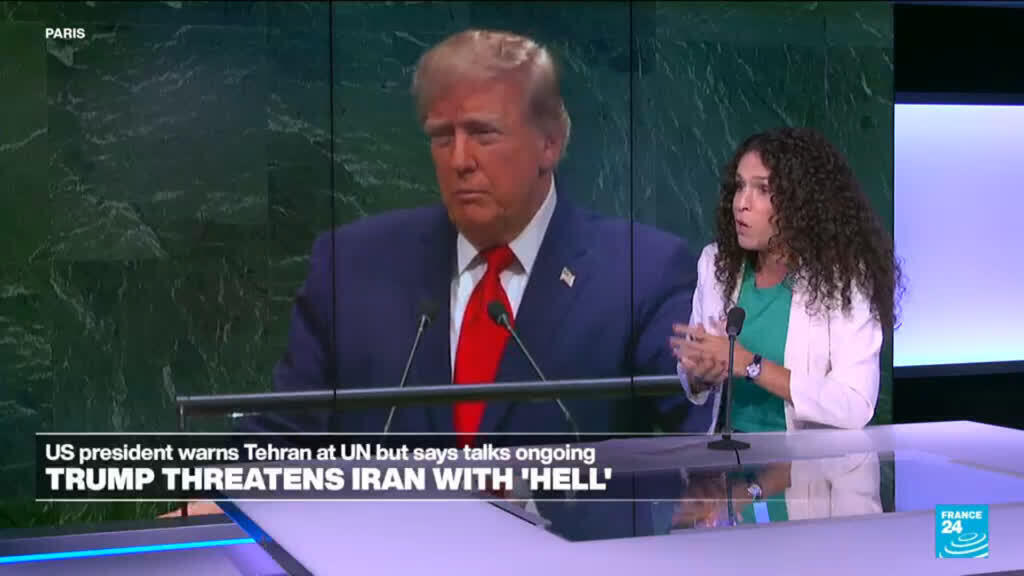
President Trump defended the military campaign against Iran in his address to the General Assembly, claiming it had prevented Tehran from acquiring a nuclear weapon. He proposed a stark choice for Iran: a deal allowing it to rebuild and become a more powerful nation, or face military force that would eliminate the country's ability to harm others. In a direct threat, he vowed to "annihilate the Islamic Republic and do it quickly" if talks failed.
Despite the tense rhetoric, Qatari intermediaries facilitated backchannel diplomacy. US Special Envoy Steve Witkoff and presidential adviser Jared Kushner oversaw the discussions, while Iranian Foreign Minister Abbas Araghchi communicated Tehran's demands through the mediators. Witkoff expressed optimism about the progress, stating that a productive round of talks had been completed and that the mediators would continue their work.
The urgency of these diplomatic talks stems from the severe disruptions across the Middle East caused by the escalating conflict. After US and Israeli air strikes on February 28, Iran responded by striking regional assets and blocking the Strait of Hormuz, which disrupted vital oil and gas shipments and caused market fluctuations. Iranian officials stated that any permanent resolution must include a complete cessation of hostile acts.
The White House faces domestic political pressures ahead of the November congressional elections while managing regional escalations. Energy markets reacted swiftly to the diplomatic developments, with crude prices falling as supply disruption concerns eased. President Trump confirmed a productive three-hour meeting with the Iranian delegation, and Tehran might reopen the Strait of Hormuz within a week if the US lifts port blockades and eases military pressure.
Experts believe that regional mediation efforts, including initiatives from Pakistan, have helped mitigate the threat of broader escalation. As international mediators navigate these fragile channels, the ultimate fate of regional security hinges on whether coercion can evolve into sustainable diplomatic compromise.
Written by urgent.news from MyJoyOnline Ghana's reporting — not their text. Machine-written — may contain errors; check the original before relying on it.
This story
This is one outlet's version. Read the fullest account.
- US and Iran hold first talks since June after Trump’s ‘annihilation’ threat at UN myjoyonline.com
- US and Iran hold first talks since June after Trump's 'annihilation' threat bbc.co.uk
- Oil prices fall below US$100 after Trump hails ‘very good’ US-Iran talks malaymail.com
- Oil prices slide as Trump signals ‘very good’ US-Iran talks at UN iol.co.za
- Iran says Trump’s ‘annihilation’ threat shows US desperation dailytimes.com.pk