Giant Diego Rivera sculpture on Mexico City’s Olympic stadium to be restored
The restoration of Rivera’s work launches a multi-year initiative to preserve public art on the Universidad Nacional Autónoma de México campus
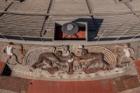
A major restoration project is set to begin on Diego Rivera's early-1950s monumental stone relief at Mexico City's Estadio Olímpico Universitario, part of the Universidad Nacional Autónoma de México (Unam). This initiative marks the World Monuments Fund (WMF)'s multiyear collaboration with Unam to preserve significant murals across the campus.
The US embassy, through the US Department of State's Ambassadors Fund for Cultural Preservation Freedom 250 initiative, is providing support for the restoration work, which will be carried out by local experts.
Unam's Estadio Olímpico Universitario, completed in 1952, is an architectural and sports landmark located at the heart of the UNESCO World Heritage site campus. The restoration project reflects a shift in Muralism, with Rivera's "The University, the Family and Sport in Mexico" (1952-54) illustrating Mexico's sports history from pre-Hispanic times to the modern Olympics.
Rivera used a unique technique, combining volcanic stone, marble, and river stone into the stadium's masonry, an innovation alongside David Alfaro Siqueiros's three-dimensional mural on the rectory's tower and Juan O'Gorman's stone mosaic at the university's main library.
Due to the stadium's uneven state, the restoration project also aims to address environmental exposure damage and structural issues. Local experts will lead the restoration efforts, building on Mexico's advanced restoration expertise. The restoration is timed to coincide with the 60th anniversary of the Mexico City Olympics in 2028, underscoring the murals' historical significance.
The restoration project encompasses more than just repairing the murals; it seeks to preserve the cultural and architectural memory, materials, and techniques, ensuring the murals remain relevant for future generations.
Written by urgent.news from The Art Newspaper's reporting — not their text. Machine-written — may contain errors; check the original before relying on it.