FBI Hack Exposed FBI’s Own Hacking Unit
The FBI's Remote Operations Unit (ROU) is a highly secretive team of hackers making exploits and tools to break into target’s devices. Some of its members just got exposed.
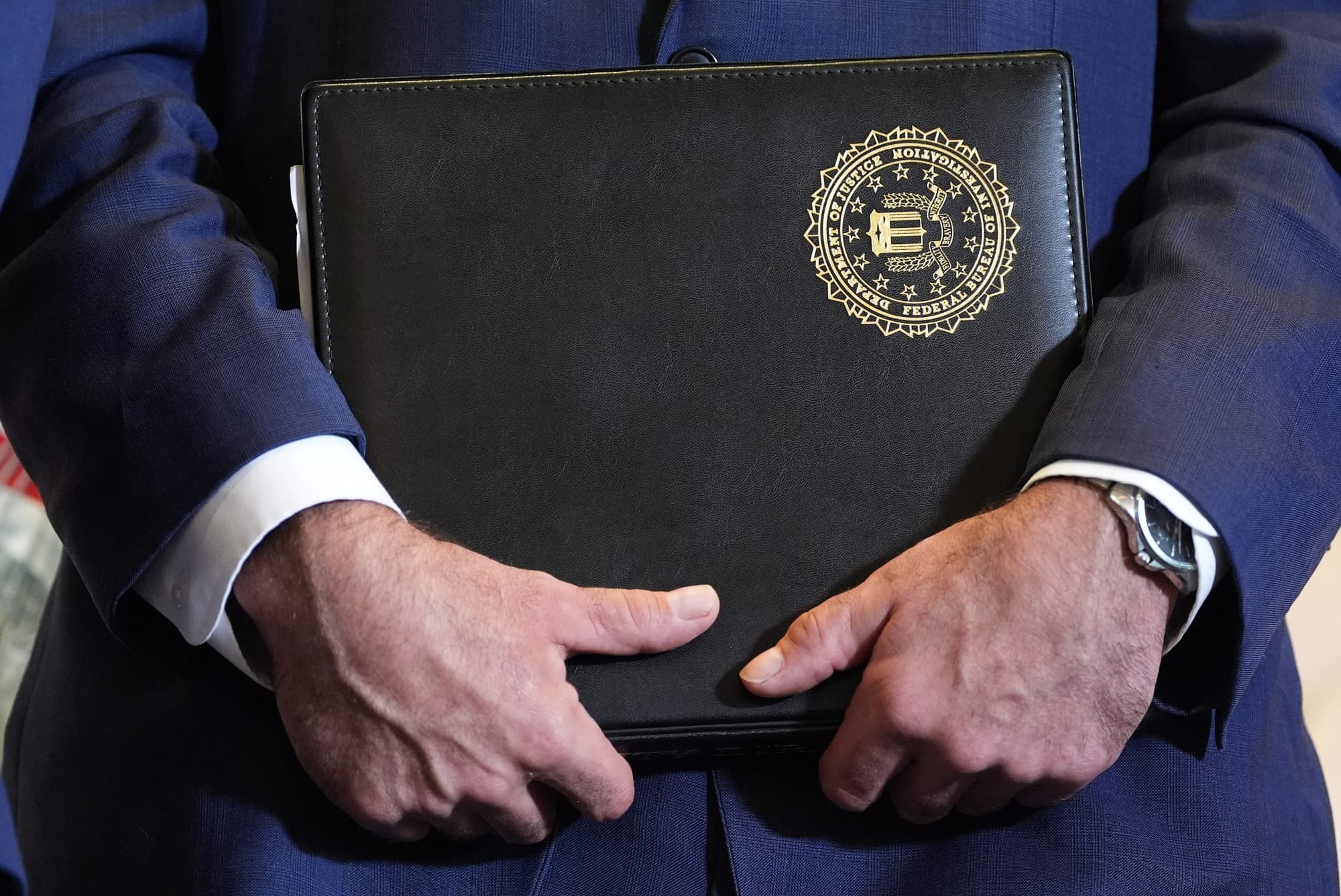
A recent hack exposed sensitive data belonging to thousands of FBI officials, potentially revealing the identities of members of the FBI's secretive hacking unit. The stolen information includes personal details such as addresses, phone numbers, and even spouses' information. The FBI's hacking unit, known as the Remote Operations Unit (ROU), has been focused on investigating the dark web and developing hacking tools for national security investigations.
The ROU was instrumental in creating the network investigative technique (NIT) used on a dark web child abuse site. The hacked data specifically mentions "remote operations units," and one ROU official's phone number was found to have previously breached data indicating they had worked for the Secret Service. Another individual in the data appears to be a student, described as a "student workforce trainee."
The ROU's use of classified hacking tools in criminal investigations raises concerns about the scrutiny defendants receive regarding how their evidence was collected.
Written by urgent.news from 404 Media's reporting — not their text. Machine-written — may contain errors; check the original before relying on it.