El Niño heat could kill half a million people by February
Higher temperatures around the world due to the record-breaking El Niño will lead to an estimated 450,000 extra deaths by February unless swift action is taken, warn researchers
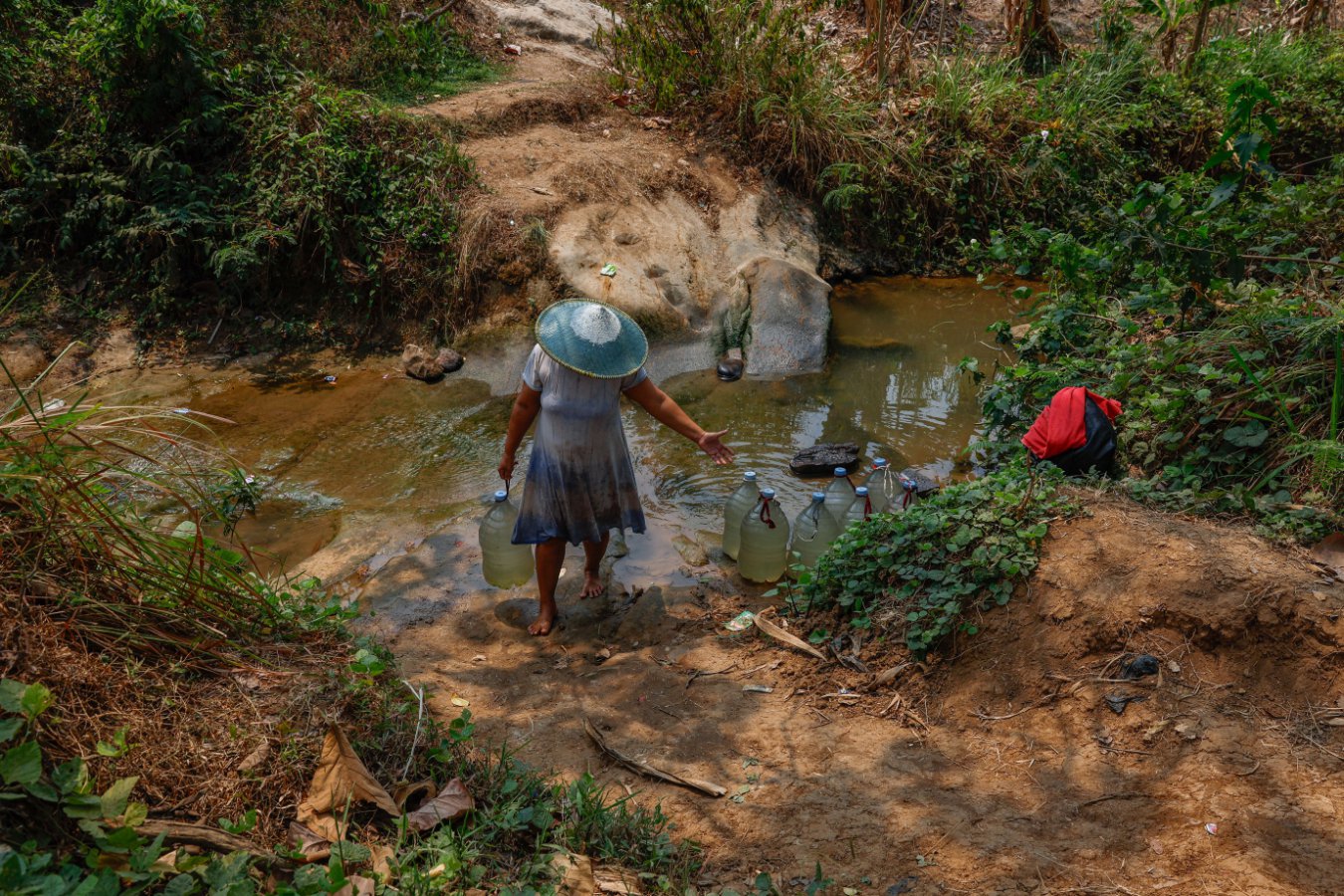
A recent report by the Climate Impact Lab at the University of Chicago warns that up to 450,000 people worldwide could die by February due to the record-breaking El Niño heat. This estimate is based on how many deaths have occurred from past temperature extremes around the globe. Emily Grover-Kopec, a climate scientist at the Rhodium Group, hopes that this information can prompt timely actions to allocate resources and protect vulnerable populations.
This may include assigning health workers to monitor the most vulnerable, ensuring access to sufficient water, and providing fans or air conditioning. Most of these deaths are expected to occur in the southern hemisphere, particularly during the spring and summer there. However, as El Niño is projected to persist into the northern hemisphere's spring, there could be another wave of deaths after February.
India and Pakistan may be particularly affected, according to the report. The 450,000-death projection is derived from the relationship between temperature and excess deaths, which follows a U-shaped curve. This relationship may vary depending on regional adaptations to heat and the availability of resources such as air conditioning.
The report estimates that over the six-month forecast period from September to February, there will be an additional 240,000 heat-related deaths worldwide. Over 30,000 of these additional deaths are expected in Nigeria, while 19,000 in Indonesia, 16,000 in India, and 13,000 in Brazil could occur during the same period. The age groups most affected are infants under four years old and individuals over 65.
While the authors believe these results are plausible, they acknowledge that the projected deaths depend on the accuracy of the forecast. The report also highlights that the total death toll may be higher, considering other impacts of El Niño, such as wildfires in Indonesia, infectious diseases in South America, and flooding in the western United States.
Written by urgent.news from New Scientist's reporting — not their text. Machine-written — may contain errors; check the original before relying on it.