China's high-speed race for fast-charging EVs
Chinese EV makers have another battleground in their quest for technological supremacy: ultra-fast charging.No longer satisfied with 30-minute top-ups, automakers such as Geely, BYD, and Li Auto are n...
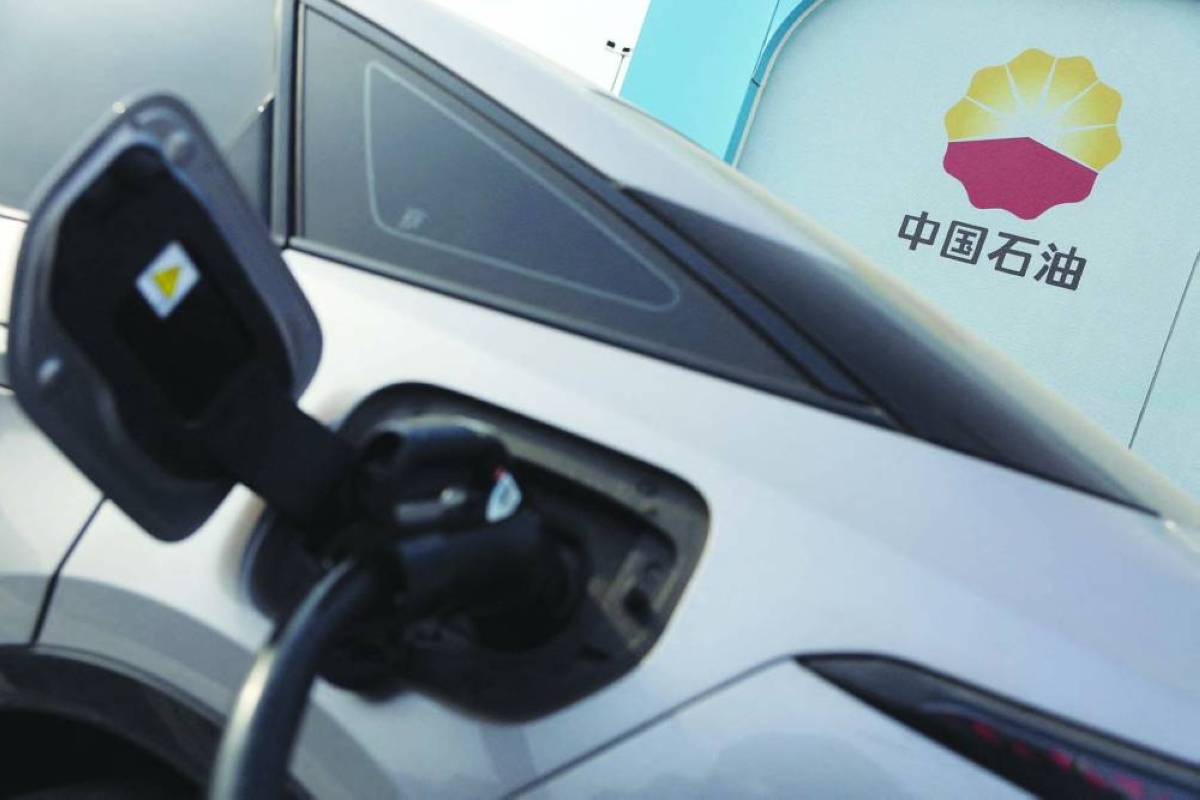
China's high-speed race for fast-charging electric vehicles (EVs) is intensifying as domestic manufacturers like Geely, BYD, and Li Auto push for ultra-fast charging capabilities that rival gasoline-powered refueling. While traditional fast charging stations take around 15 to 25 minutes to charge an electric vehicle from 10% to 80%, Chinese EV makers are aiming for charging times as short as 4.5 minutes to 8 minutes.
This race to deliver extreme charging speeds is driven by the need to alleviate consumer range anxiety and revive demand in China's sluggish automotive market.
However, pushing megawatt-level currents into lithium-ion batteries presents significant engineering challenges. The intense heat generated during ultra-fast charging can lead to battery degradation, hotspots, and even potential power grid collapses. To address these concerns, Chinese automakers are investing in advanced hardware engineering and artificial intelligence to maintain battery stability.
For instance, Geely has developed a full-loop five-end liquid cooling network that circulates fluid through charging stations, cables, and vehicle ports to prevent overheating.
The technology gap between Chinese and Western EV manufacturers is evident in their charging capabilities. Geely recently unveiled an ultra-fast charging system with a peak output of up to 2.25 megawatts (MW) from a single charging gun, capable of charging an EV from 10% to 70% in just 4.5 minutes, and from 10% to 97% in 8 minutes and 40 seconds at room temperature.
BYD's megawatt-level flash-charging systems and blade batteries can charge an EV from 10% to 97% in 9 minutes, while Li Auto's vehicles equipped with CATL's 5C Kirin battery can add up to 500 km (310 miles) of range in just 12 minutes.
Despite these advancements, the industry is reaching a charging speed ceiling. Geely executives suggest that the focus will shift from speed competition to massive infrastructure installations to accelerate the deployment of fast-charging networks. To mitigate power grid issues, fast-charging stations are being integrated with battery storage systems and solar power.
Chinese automakers and battery manufacturers are also exploring methods to minimize battery wear, such as specialized coatings and high-frequency pulse currents. Looking ahead, BYD plans to build 90,000 flash-charging stations by 2028, while NIO has over 4,000 battery-swap stations that can replace a full battery in about three minutes.
Written by urgent.news from Gulf Times Business's reporting — not their text. Machine-written — may contain errors; check the original before relying on it.