First Nations workers in Australia paid 16pc less per hour, report finds
A landmark report has found Indigenous workers are on average paid 16 per cent less an hour than the average Australian, amounting to nearly two months of work each year for free.
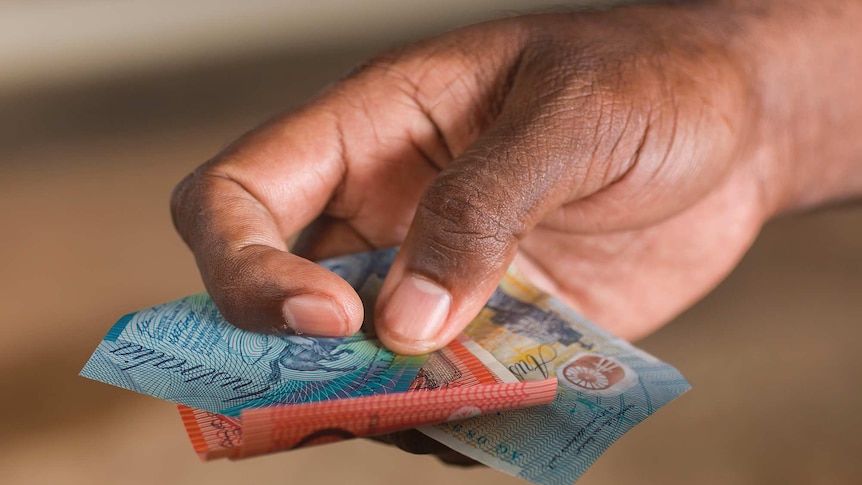
A recent report has uncovered that Indigenous workers in Australia are, on average, paid 16 per cent less per hour compared to their non-Indigenous counterparts. After analyzing various factors such as age, experience, qualifications, and hours worked, the pay disparity remained largely unexplained, suggesting structural racism as a key contributing factor.
The report, conducted by the University of Technology Sydney's Centre for Indigenous People and Work (CIPW) and Indigenous Business Australia (IBA), suggests that employers should be required to prevent racial discrimination, similar to the protections already in place for sex discrimination. The findings indicate that Indigenous workers earn 84 cents for every dollar earned by non-Indigenous workers.
This pay gap translates to a significant loss of income over a lifetime or as much as two months of unpaid work annually. The gender pay gap in Australia is smaller, with women earning about 11.2 per cent less than men on average. The pay gap is consistent across various occupations, with the largest disparity found in professional roles at 19.5 per cent.
Indigenous women experienced the greatest pay disparity, earning an average of $41 per hour compared to $52 for all Australian men. The report highlights that even highly skilled occupations do not escape this inequality, with Indigenous professionals earning less than their non-Indigenous peers despite having higher education levels.
The pay gap appears across all age groups, pointing to systemic and structural issues rather than isolated instances of bias. Teachers and machinery operators/drivers were noted as exceptions, where wages are closer to parity with non-Indigenous workers. The study estimated that this pay gap could amount to $170 billion in lost income by 2050, with broader impacts on the Australian economy, including reduced superannuation, savings, and wealth creation.
While factors like hours worked, occupation, age, and education were examined, they could only account for a small portion of the gap, leaving 70 per cent unexplained. The report suggests that the root causes likely include the legacy of discriminatory wage setting, racial bias in hiring, and limited bargaining power for Indigenous workers.
Written by urgent.news from ABC News AU's reporting — not their text. Machine-written — may contain errors; check the original before relying on it.