Beyond politics: Why Kwame Nkrumah’s ideals still matter for today’s leaders
As world leaders gather for the 81st Session of the United Nations General Assembly (UNGA) in New York, a few African statesmen loom as large over the institution's history as Ghana's founding president, Dr Kwame Nkrumah. Decades after his overthrow in 1966, the questions he raised about African unity, economic independence, global inequality and self-determination remain central to the…
As African leaders convene for the 81st United Nations General Assembly (UNGA) in New York, the enduring legacy of Ghana's founding president, Dr. Kwame Nkrumah, continues to resonate with contemporary policymakers. More than six decades after his overthrow in 1966, Nkrumah's visionary ideas regarding African unity, economic self-determination, and global equality remain pertinent to today's challenges.
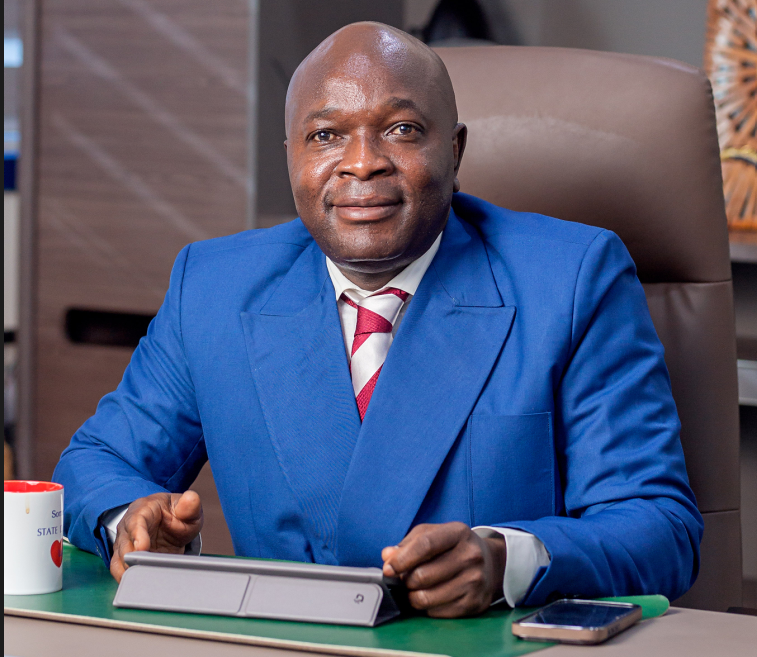
Recent remarks by Matthew Opoku Prempeh, a former New Patriotic Party running mate, have reignited discussions about Nkrumah's contributions, emphasizing the importance of transcending partisan politics to honor his legacy. Prempeh described Nkrumah as a "generational thinker," an "architect of nation-building," and a "liberation icon," calling on Ghanaians to move beyond political divisions in recognizing his significant impact on Ghana, Africa, and the global stage.
Nkrumah's vision for African unity was not confined to Ghana's borders. He argued that true development could only be achieved through continental integration, collective security, and shared economic progress. His foresight into the challenges facing African nations—such as fragmented markets, trade barriers, debt vulnerabilities, and geopolitical competition—remains strikingly relevant.
The establishment of the African Continental Free Trade Area (AfCFTA), based in Accra, exemplifies the ongoing pursuit of the continental integration Nkrumah championed decades ago. Furthermore, Nkrumah was among the earliest African leaders to challenge the existing international economic order, advocating for economic sovereignty and an end to unequal trade relations.
His concerns about dependency on commodity exports and foreign control of strategic resources echo current policy debates worldwide. As African leaders prepare to address the UN General Assembly, many of the issues on their agenda—from climate justice to global governance reform—would have been familiar to Nkrumah. His insistence that newly independent states deserved equal treatment and respect in international affairs continues to shape African governments' positions at multilateral forums.
However, perhaps Nkrumah's most pertinent lesson for contemporary leaders lies in his belief that leadership should be driven by a long-term national vision rather than short-term political calculations. While his governance and political methods remain subjects of historical debate, few dispute his ambition for Ghana and Africa, emphasizing the importance of industrialisation, infrastructure, education, and continental influence.
In this regard, Dr. Prempeh's recent call for Ghanaians to view Nkrumah's legacy above partisan rivalries underscores a critical point: nations advance when they build on their shared history rather than weaponising it for political gain. As the world focuses on the UN General Assembly, Dr. Kwame Nkrumah's message of unity, self-reliance, strategic development, and Pan-African cooperation serves as a blueprint for leaders seeking to inspire their people and shape a nation's identity, rather than merely focusing on electoral victories or short-term economic gains.
Half a century after his death, Nkrumah's enduring influence demonstrates that great leadership is measured by the ability to inspire and articulate ideas that remain relevant long after one has left office.
Written by urgent.news from MyJoyOnline Ghana's reporting — not their text. Machine-written — may contain errors; check the original before relying on it.