Behind AI doomsday prophecies, US and China jockey for lead in tech race
At the BRICS summit in New Delhi, China's President Xi Jinping announced plans for a "BRICS open-source zone" for artificial intelligence. This strategy aims to bolster China's ally base by promoting model development and human resource training in emerging economies using China's open-source AI. The initiative comes after Xi chaired the World Artificial Intelligence Conference in Shanghai and founded the World Artificial Intelligence Cooperation Organization, which now includes 29 countries.
China's approach contrasts with the US-led Pax Silica initiative, which was launched in December with participation from Korea, Japan, Australia, the UK, Israel, Singapore, Qatar and the United Arab Emirates. US President Donald Trump had previously addressed AI in May's Sino-US summit, emphasizing the need for "guardrails" on AI.
China has rapidly expanded its AI influence by drawing Global South countries into its ecosystem, recognizing that AI rivalry with the US involves more than just faster model development, but also data accumulation and setting global standards.
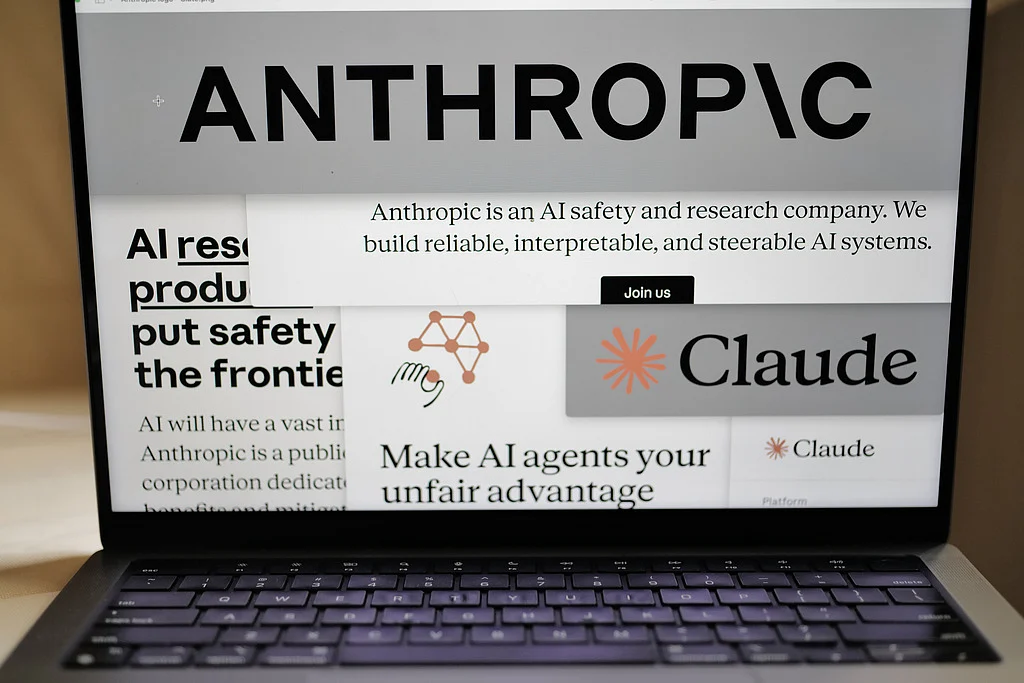
AI has become central to the Sino-US struggle for global dominance, shaping industry, technology, military capabilities, and information warfare. AI expert Dario Amodei from Anthropic warned of the risk of AI escaping human control, describing the competition as a clash between "democracies" and "autocracies." China dismissed these concerns, stating that fearmongering and confrontation would only harm global AI governance.
On Sept. 13, China released a statement from its Minister of State Security, Chen Yixin, who warned of cyber threats from "hostile forces" using AI to spread disinformation and leak sensitive data. In response, a Chinese professor analyzed the Sino-US AI race in three stages: the US-led deep learning phase (2012-2019), the US dominance in large language models (2020-2023) and the current stage where China aims to narrow the technology gap.
Both countries are now competing on equal terms in terms of performance, cost and practical applications, with China focusing on cost-effective models and industrial integration.
Written by urgent.news from The Hankyoreh's reporting — not their text. Machine-written — may contain errors; check the original before relying on it.
This story
This is one outlet's version. Read the fullest account.