Bank Zero reaches break-even after nearly five years
The digital bank reaches its first monthly break-even point as deposits more than double and business accounts grow.
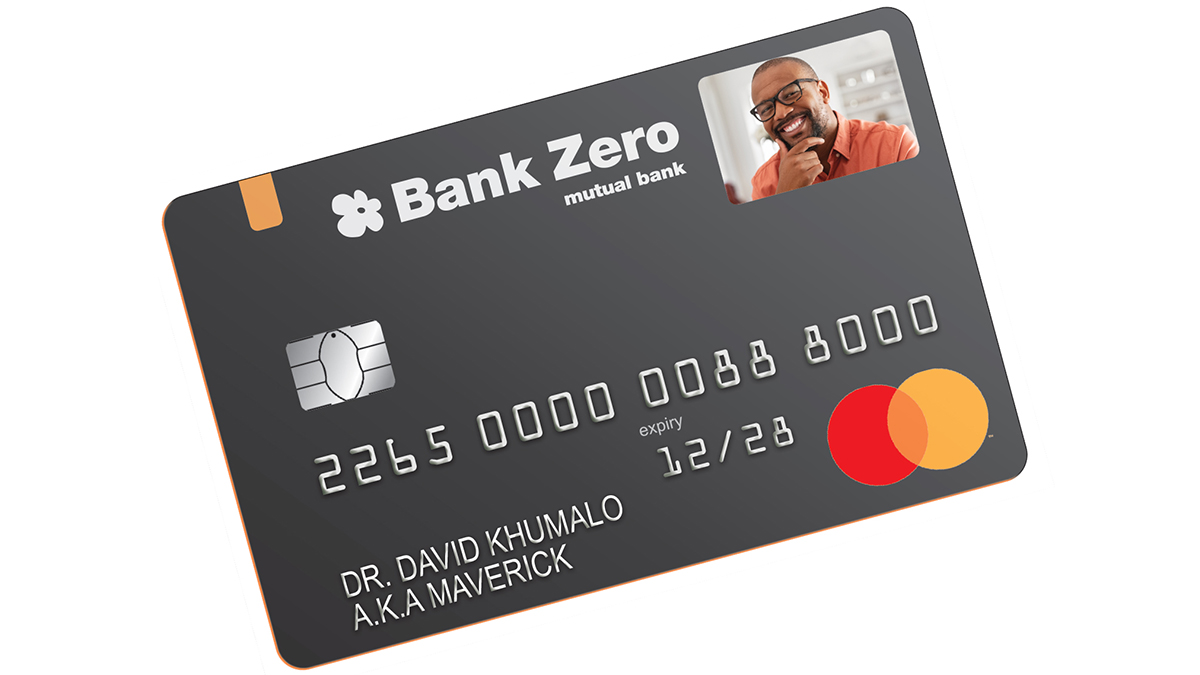
The digital-only bank, Bank Zero, achieved its first monthly break-even point in August 2026, five years after its launch in October 2021. The milestone was reached after the bank's deposit base more than doubled over the past year. Business accounts now constitute 18% of the bank's total, exceeding the 10% projected in its initial business case.
Over 80% of these business accounts are held by registered companies, which maintain higher balances and conduct more transactions. While the bank has not disclosed its monthly revenue or other financial metrics, it emphasizes its strategic approach: "Bank Zero was built to break-even on a fraction of the customer base a new bank requires."
This approach was made possible through the development of its own core banking platform, designed to achieve sustainability with a smaller customer base than its competitors. The bank's technology architecture enables unique app functionalities and ensures banking without card fraud or phishing. Bank Zero's business model is branchless and "segment-agnostic," focusing on zero-fee structures to attract both individuals and businesses.
CEO Yatin Narsai attributes the bank's success to its pricing dominance and lack of monthly fees for customers. The bank anticipates choppy earnings in the short-term, but expects robust revenue growth and healthy profits by 2027, driven by alliance banking and foreign-exchange capabilities, the latter pending South African Reserve Bank approval.
Bank Zero has undergone extensive stress testing, demonstrating strong capital and operational efficiency. The bank is also awaiting regulatory approval for its proposed acquisition by fintech group Lesaka Technologies, which would expand its fintech portfolio and offer new partnerships with fintech firms, retailers, and digital platforms.
Written by urgent.news from ITWeb's reporting — not their text. Machine-written — may contain errors; check the original before relying on it.