As Japan swelters, farmers turn to new heat-resistant rice varieties to boost staple crop
New rice varieties give hope that farmers can overcome the climate emergency and a warmer future that threatens harvests When schoolchildren in Shiroishi were enlisted to plant rice seedlings in June, Shinto priests blessed the land and asked the deities for a bountiful crop. Judging by the fields behind farmer Haruki Kawasaki, their prayers have been answered. The 63-year-old is preparing to…
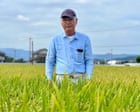
Farmers in Japan are turning to new heat-resistant rice varieties to combat the effects of climate change and ensure a stable supply of their staple crop. An example is Haruki Kawasaki, a 63-year-old farmer who is expecting a successful harvest of hinatamaru rice, a strain that has thrived despite the hot and dry conditions. Kawasaki and his colleagues now work earlier in the day due to the intense heat, with temperatures exceeding 40C, prompting the meteorological agency to introduce a new category called "cruelly hot days."
Heat-resistant rice varieties have become increasingly popular in Saga prefecture, which now accounts for nearly two-thirds of the region's rice acreage dedicated to this type of rice. Other prefectures, such as Nagasaki and Shimane, have also adopted these new strains, although adoption is still relatively low in the northeastern regions, where farmers are more accustomed to colder climates.
The development of heat-tolerant rice varieties involves cross-breeding existing strains, cultivating them in controlled environments, and conducting real-world trials. The Japanese government has taken note of the situation and has introduced emergency stockpiles to help alleviate shortages and price hikes following the "Reiwa rice crisis" in 2023.
Farmers in Saga have been raising concerns for a decade, leading to the creation of hinatamaru, a rice variety that has gained rapid popularity due to successful trials in 2024.
As Japan's agricultural workforce ages, with almost 70% of farmers being 65 or older, the adoption of heat-resistant rice varieties is viewed as a race against time to ensure the country's food security. Climate change is forcing farmers to adapt their practices, including inspecting crops at night to avoid higher temperatures and switching to heat-loving crops such as avocado, bitter melon, and okra.
Written by urgent.news from Guardian Business's reporting — not their text. Machine-written — may contain errors; check the original before relying on it.