APOD: 2026 September 23 – A New Lunar Crater: McGetchin
The post APOD: 2026 September 23 – A New Lunar Crater: McGetchin appeared first on NASA Science .
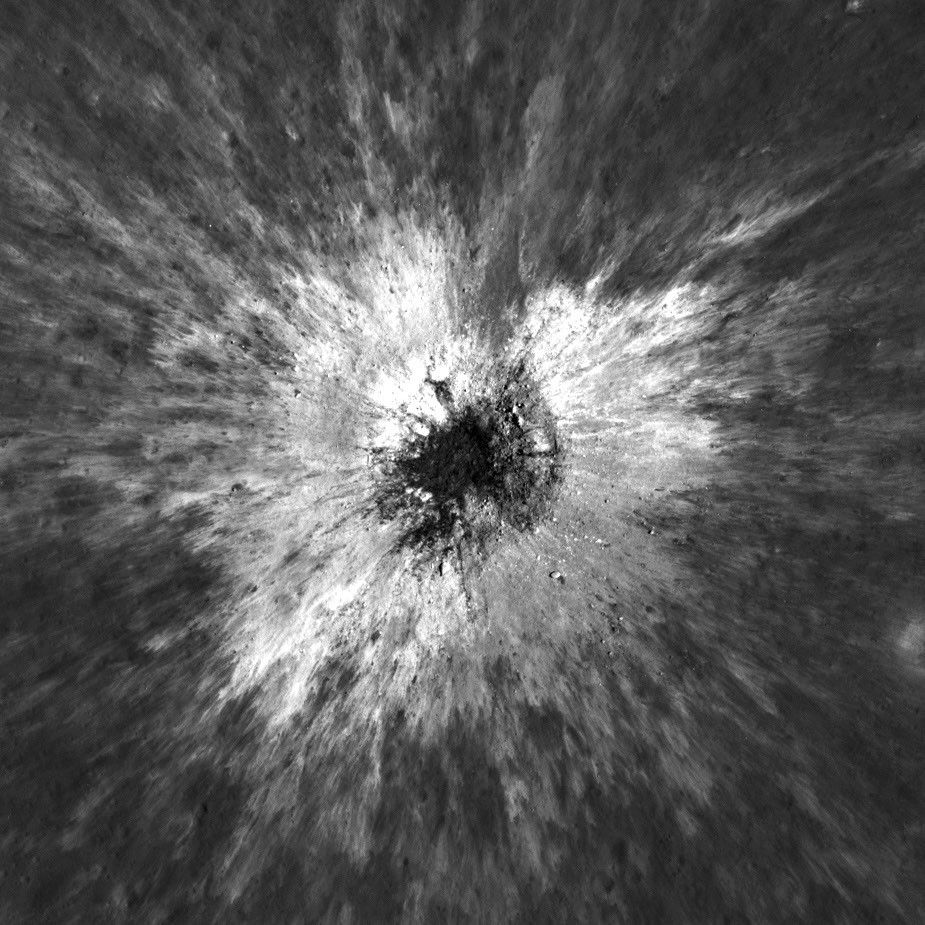
On September 23, 2026, a remarkable event took place on the Moon: a new lunar crater named after Apollo-era lunar scientist McGetchin emerged. The cause of this crater was a comet or asteroid approximately 10-20 meters (30-60 feet) in size, which collided with the lunar surface between April and May 2024. The Lunar Reconnaissance Orbiter (LRO), which regularly monitors the Moon, documented the impact through images taken before and after the event.
This particular crater spans the length of two soccer fields, an extraordinary occurrence that scientists estimate happens once every 132 years. Thermal imaging conducted following the impact revealed a substantial cold spot surrounding the warm crater, indicating the significant influence of surface impacts on the lunar landscape. The impacts cause loose lunar sediment, or regolith, to expand and become less dense, reducing its ability to retain heat.
The consequences of this lunar event extend beyond the visible crater, affecting a wider area than initially apparent. This newfound knowledge will contribute to humanity's understanding of surface impacts and the evolution of the Moon's surface. The incident also serves as a reminder to appreciate Earth's protective atmosphere.
Written by urgent.news from NASA Science's reporting — not their text. Machine-written — may contain errors; check the original before relying on it.
Also reported by 1 other outlet
- APOD: 2026 September 23 – A New Lunar Crater: McGetchin science.nasa.gov