Ancient Vomit Found Beneath the North Sea Hints at Where Plesiosaurs May Have Napped After Dinner
Learn how fossilized vomit helped a paleontologist piece together what Jurassic plesiosaurs ate and where they may have rested after a meal.
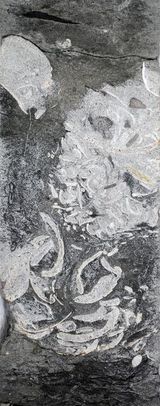
In the depths of the North Sea, paleontologist Dirk Knaust discovered fossilized vomit that may hold clues to the feeding habits of ancient plesiosaurs. Inside the clumps, he found shells, worm tubes, and pieces of sea lilies, hinting at a large marine creature feasting on shellfish. After a bone from a backbone of an ichthyosaur initially caught his attention, further examination revealed it to be from a plesiosaur, not a dinosaur.
Knaust’s analysis suggests that plesiosaurs may have fed in deeper waters before swimming into river deltas, regurgitating undigested shellfish while resting. The clumps, some measuring up to four inches in size, contained hard parts from animals like belemnites, extinct squid-like creatures, and shells. Cryptoclidid plesiosaurs, which grew up to 26 feet long during the Jurassic period, seemed to be the best match for the vomit's size and contents.
By comparing these findings to modern fur seals and marine crocodiles, Knaust believes plesiosaurs may have sought sheltered areas along the coast to rest and digest their meals. While their massive size likely kept them underwater, these findings provide a glimpse into the behaviors of these ancient reptiles. The discovery of plesiosaur vomit, preserved by mucus, opens up new avenues for understanding the lives of these long-extinct marine reptiles.
Written by urgent.news from Discover Magazine's reporting — not their text. Machine-written — may contain errors; check the original before relying on it.