Analysis-From smart glasses to AI pins, privacy fears challenge tech’s next big bet
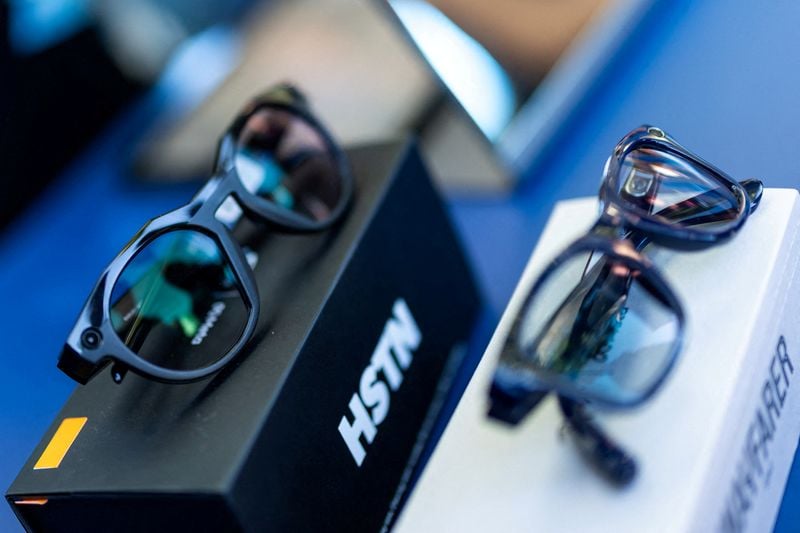
Companies betting on AI devices to replace smartphones are encountering significant privacy concerns worldwide. These concerns have been particularly prominent around Meta's smart glasses, which blend the brand's trendy designs with AI technology, aiming for "personal superintelligence." The glasses have sparked a backlash, drawing criticism from courts, users, and critics who fear covert recordings and a loss of anonymity and consent.
In response, Meta is reportedly preparing to unveil camera-free smart glasses at its upcoming Connect conference, demonstrating the challenge companies face as they vie for a slice of the more than $600 billion smartphone market. To address these concerns, device makers are exploring a variety of form factors, including glasses, pins, pendants, and voice recorders that magnetically attach to phones.
Some companies are initially finding more success with business users than consumers. Tech experts emphasize that the success of AI-powered wearables hinges on creating natural, useful, and trusted interactions. Local AI processing, which processes data on the device rather than transmitting it to the cloud, is seen as a crucial solution.
However, this approach may take a few years to perfect, depending on the speed at which AI processors can be scaled. The central challenge is that AI devices become increasingly useful as they gather more information about their surroundings, potentially capturing individuals who did not consent to being recorded. A lawsuit filed by consumers against Meta and Luxottica alleges that human annotators viewed and labeled recordings of people in private moments, such as changing clothes or using the bathroom, after footage was uploaded to Meta's servers for AI training.
Despite the backlash, Meta maintains that its camera cannot be turned off during filming, and that the device filters out identifying information. Other companies are also exploring camera-free alternatives, such as Realities' G1 glasses and Pocket's phone-mounted recorder, which requires users to physically activate recording to mitigate privacy concerns.
Written by urgent.news from Investing.com's reporting — not their text. Machine-written — may contain errors; check the original before relying on it.
This story
This is one outlet's version. Read the fullest account.
- Analysis:From smart glasses to AI pins, privacy fears challenge tech's next big bet channelnewsasia.com
- From smart glasses to AI pins, privacy fears challenge tech’s next big bet japantimes.co.jp
- From Smart Glasses to AI Pins, Privacy Fears Challenge Tech’s Next Big Bet insurancejournal.com
- From smart glasses to AI pins, privacy fears challenge tech's next big bet businesstimes.com.sg