Altersvorsorge: Vom Minister zum Investor: Christian Lindner steigt bei Fintech Ginmon ein
Sein Plan für ein Altersvorsorgedepot war noch am Aus der Ampelkoalition gescheitert. Nun will der ehemalige Finanzminister als Investor von der Reform der aktuellen Regierung profitieren.
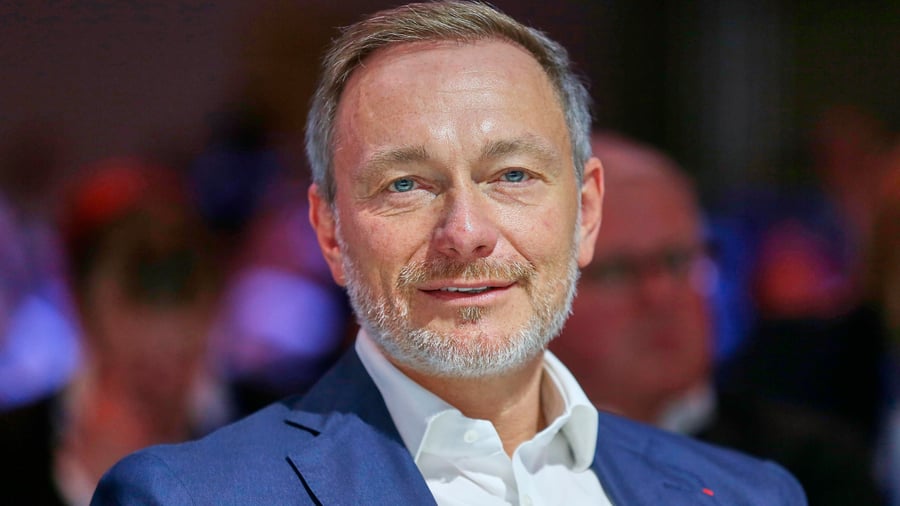
Christian Lindner, the former German Federal Finance Minister and FDP leader, has joined the Frankfurt fintech company Ginmon as an investor. The investment is reportedly in the "five-figure range," according to Lindner, who spoke to the Handelsblatt. He views the move as the start of a growing trend, facilitated by the introduction of an age-based savings account in Germany.
Lindner's investment in Ginmon is motivated by the newly-introduced legislation aimed at providing state-sponsored private pension funds without guaranteed benefits. This reform, passed by the Bundestag in March, is intended to replace the Riester pension, which was deemed too expensive and complicated. Ginmon offers a digital platform for independent wealth managers and financial distributors to handle new clients, manage portfolios, and process fees.
The fintech company sees the age-based savings account as a growth opportunity. According to Lindner, it is crucial for wealth managers and investment advisors to be able to offer an age-based savings account to their clients. He was convinced by Ginmon's white-label technology, which enables other financial institutions to utilize the platform and offer age-based savings accounts under their own branding.
The industry is optimistic about the reform, with the US investment giant Vanguard estimating that private investors will inject around €150 billion into the age-based savings account within the first five years of its introduction. The credit rating agency S&P projects an additional net inflow of €26 to €56 billion annually in the private age-based savings account, following a one-to-two-year implementation period.
Lindner, who is not new to corporate investments since his exit from politics, has also invested in startups like Leegle and Limetax. Ginmon's CEO, Lars Reiner, views the age-based savings account as a "game-changer" for wealth managers, advisors, insurers, and financial distributors. Reiner emphasizes the need for these entities to have technical solutions, and Ginmon aims to compete with established players like FNZ, FFB, and BNP Paribas in the white-label business.
Ginmon announced a partnership with US-based asset management firm Franklin Templeton for the age-based savings account in late September. When Lindner served as Finance Minister, he championed an age-based savings account proposal, but the legislation was not passed due to the breakdown of the Ampel coalition in November 2024. However, the current government's version of the age-based savings account follows a similar approach.
Lindner asserts that there is no conflict of interest in his investment in Ginmon, as he is no longer involved in public sector politics or policy-making. He expresses his pleasure in contributing to the success of age-based savings accounts, stating that the initiative represents a significant step towards a capital market culture. As a fintech entrepreneur, Lindner aims to help the age-based savings account become available to as many people as possible.
Written by urgent.news from Handelsblatt's reporting — not their text. Machine-written — may contain errors; check the original before relying on it.