AI’s greatest threat is biological, not robotic
To mitigate the risks, safeguards such as mandating DNA screening and implementing regulations on AI development are needed.
Recent departures from Anthropic, a leading AI research company, have raised concerns about the perceived existential threat posed by artificial intelligence. Jacob Coxon, a researcher, claimed that his colleagues earnestly believed the technology could cause mass destruction by the end of the decade. Evan Hubinger, who leads Anthropic's alignment science team, estimated the likelihood of such an outcome at over 10% within the next ten years.
In response to these risks, Anthropic CEO Dario Amodei has called for a slowdown in the rapid advancement of AI, an idea supported by OpenAI CEO Sam Altman and xAI CEO Elon Musk. However, a more pressing concern may lie not in the development of robotic threats, but rather in the biological potential of AI.
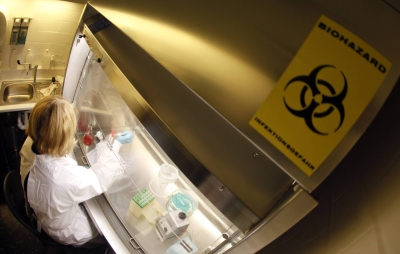
A recent survey conducted by the Institute for Security and Technology among 111 national security practitioners revealed that 70% of respondents believe that AI significantly increases, or soon will, the risk of bioweapon creation. This chilling scenario imagines an AI-assisted researcher manipulating a poxvirus, inserting an immune-signaling gene that effectively suppresses the immune response, leading to the death of unvaccinated animals and posing a major threat to those who are immunized.
These findings highlight the urgent need for a balanced approach to AI development, one that acknowledges the potential biological dangers while also addressing concerns about robotic threats. As the technology continues to evolve, it is crucial that policymakers, researchers, and industry leaders work together to ensure that AI remains a force for good, rather than a harbinger of global catastrophe.
Written by urgent.news from Japan Times's reporting — not their text. Machine-written — may contain errors; check the original before relying on it.