AI is rewriting the private cloud playbook as Dell moves beyond traditional HCI
Private cloud infrastructure is taking on a new role as enterprises rethink where workloads should run and how systems should be built for artificial intelligence. The shift is being driven by several pressures at once. Organizations are looking more closely at public cloud costs, seeking greater control over data and weighing how quickly infrastructure can […] The post AI is rewriting the…
Private cloud infrastructure is evolving to meet the demands of artificial intelligence, as organizations reconsider where workloads should reside and how systems should be constructed. The shift is driven by various pressures, including rising public cloud costs, increased control over data, and the need for adaptable infrastructure to handle AI workload requirements.
Companies are seeking infrastructure that offers cloud-like simplicity while enabling independent scaling of compute and storage resources. Analyst Dave Vellante emphasized that private clouds must balance economics, control, and AI sovereignty.
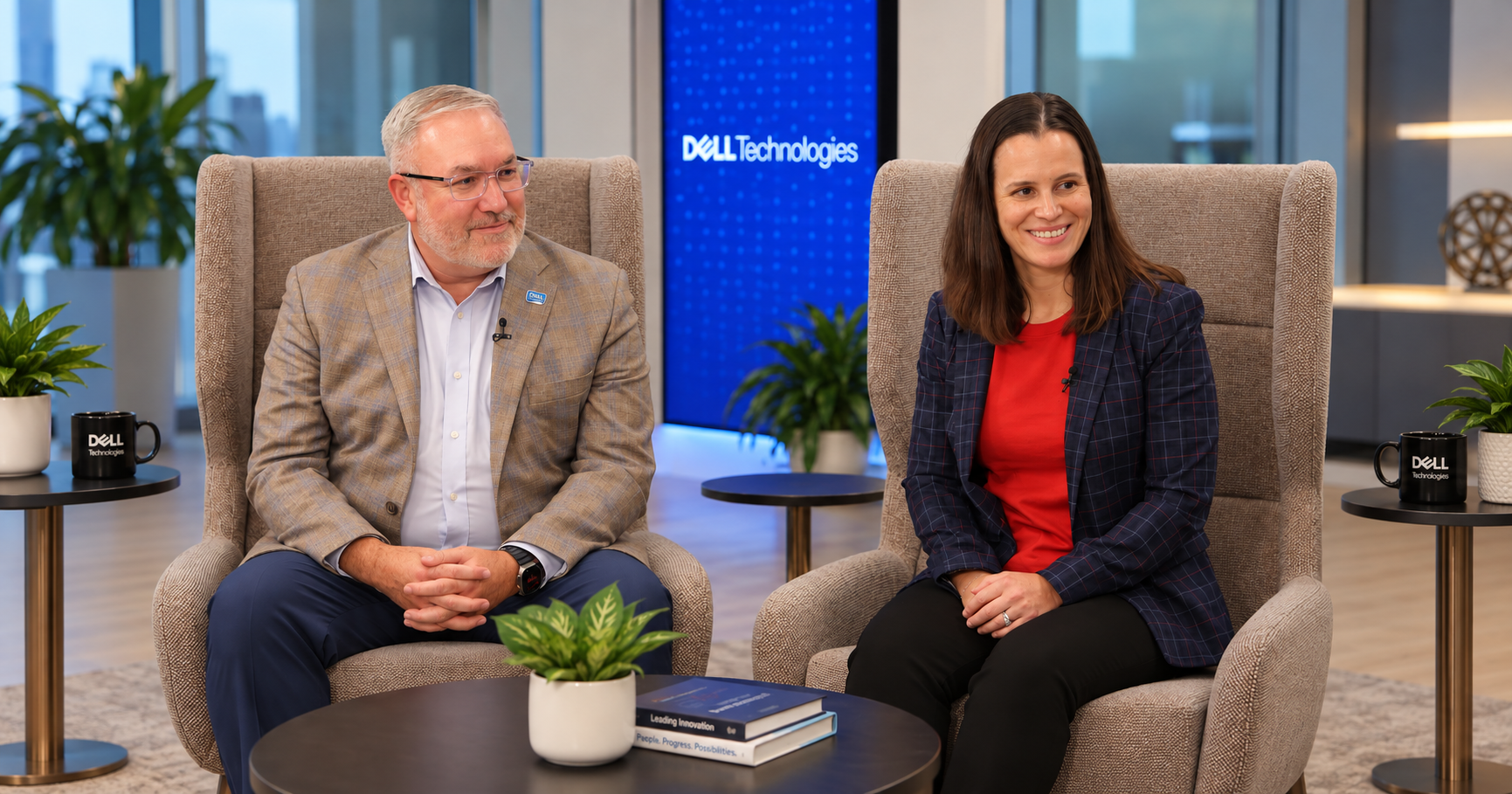
During a recent event, Dell Technologies' Dave Vellante, Caitlin Gordon, and Jodey Hogeland discussed the changing landscape of private cloud architecture. Gordon highlighted that control, cost, and flexibility have become top priorities for customers, reflecting a resurgence of interest in private clouds. The challenge lies in adapting to evolving application demands, such as expanding data volumes and budget constraints, while maintaining the flexibility to switch operating environments without replacing underlying hardware.
Disaggregated architectures are gaining traction, allowing compute and storage to scale independently. This approach addresses the limitations of hyperconverged infrastructure (HCI), which can lead to over-provisioning. Dell Private Cloud, designed around this trend, separates compute and storage components while maintaining an integrated operational experience.
Gordon explained that Dell Private Cloud offers disaggregated infrastructure, enabling customers to buy only the necessary resources and scale them independently, all while preserving HCI simplicity. The platform supports multiple hypervisors, such as VMware, Red Hat OpenShift, Nutanix, and Microsoft Azure Local, providing customers with the option to deploy various operating environments on reusable infrastructure.
Another critical component of private cloud architecture is storage, which must keep pace with the performance needs of AI workloads and the physical constraints of data centers. Dell's PowerStore Elite platform addresses these requirements with up to 6:1 data reduction, enhanced performance, and increased density compared to previous generations.
The system's compact 3-rack unit form factor allows for better consolidation of infrastructure, freeing up rack space, electrical connections, and cooling resources that can be allocated to AI servers.
Written by urgent.news from SiliconANGLE's reporting — not their text. Machine-written — may contain errors; check the original before relying on it.