Why gaming has become more than a hobby for young Malaysians
For players such as Mohamed Ilyas Suhairi, the world around gaming now stretches into tournaments, streaming and a growing digital economy.
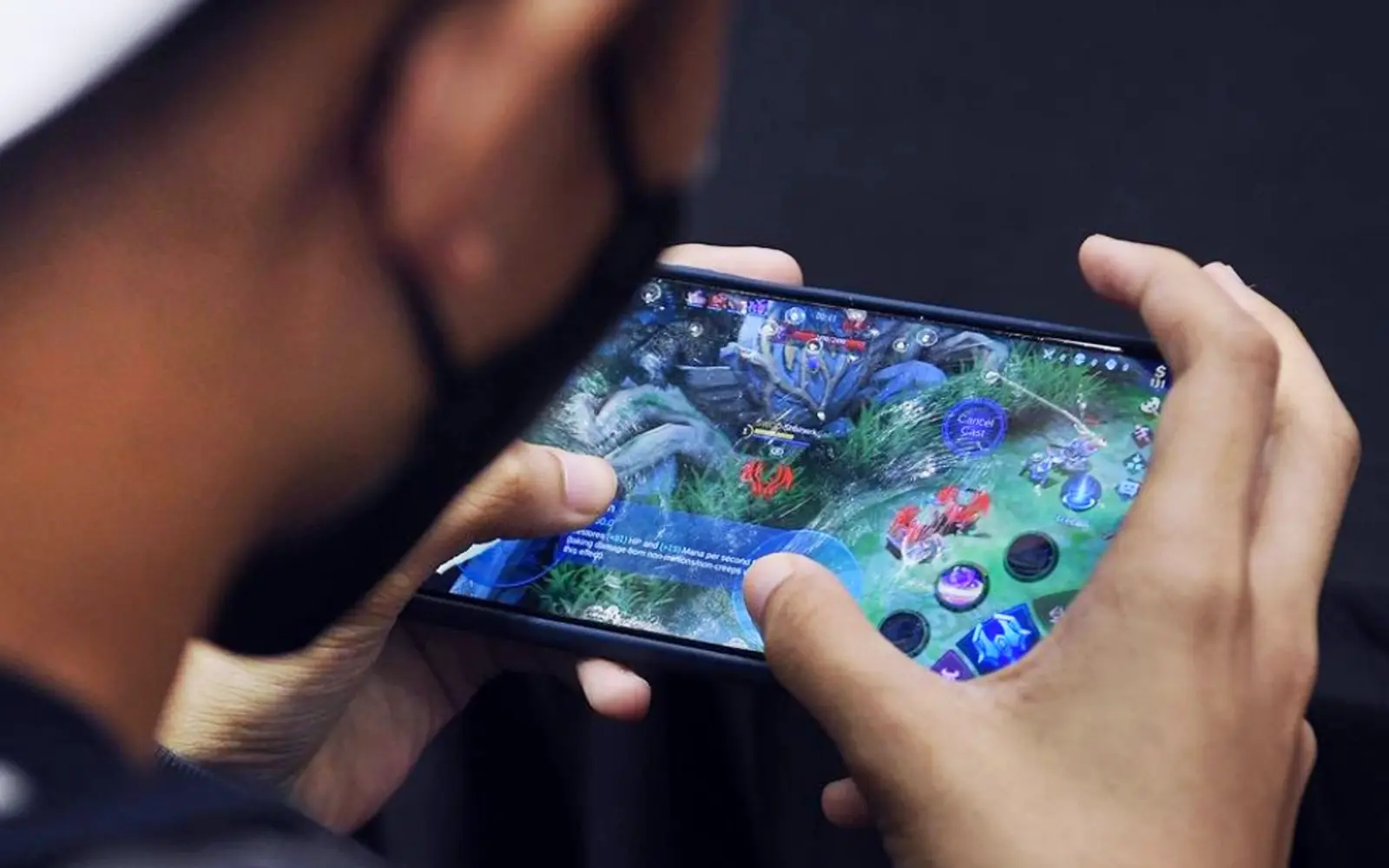
KUALA LUMPUR: In recent years, gaming has evolved from a simple pastime to a significant part of the lives of many young Malaysians, providing more than just entertainment. For accountant Mohamed Ilyas Suhairi, who is 26 years old, gaming is a means to unwind after a long workday and an opportunity to socialize with friends. His interest in gaming has also extended to esports, a competitive form of video gaming, which has opened up a whole new world for him.
Ilyas owns various gaming devices, including a gaming computer, PlayStation 5, Nintendo Switch, and several handheld devices, showcasing the diversity of gaming options available to him.
As Ilyas follows esports tournaments, he becomes aware of a more extensive ecosystem surrounding gaming, which includes professional players, streamers, commentators, coaches, production crews, developers, and digital artists. Malaysia Digital Economy Corporation (MDEC) CEO Anuar Fariz Fadzil highlights the importance of this broader ecosystem, which comprises not just players but also coaches, production teams, animators, and developers.
Fadzil explains that the opportunities in esports go beyond being a skilled player, encompassing various roles in tournament production, game development, and digital art.
The growth of the gaming industry in Malaysia is reflected in the increasing number of courses offered in Malaysian institutions, such as game software development, game art, and design and programming. These courses cater to the specialized needs of the sector, which has expanded as audiences and commercial interest have grown.
The popularity of major esports tournaments in Malaysia has been impressive. The M6 World Championship in Kuala Lumpur in 2024, for example, attracted more than 4.1 million peak concurrent viewers and over 85 million hours watched. This level of engagement demonstrates that esports is not just limited to major international events, but also enjoys substantial support at a domestic level.
Like traditional sports, esports offers fans the chance to support teams, analyze strategies, and witness high-pressure moments unfold in real-time.
Esports is not limited to large-scale events; regular leagues also contribute to the growing interest in the field. Competitive gaming has transcended the living room, with tournaments, teams, and a wider industry now centered around how people play and watch games. Former professional players often transition into streaming or build audiences on platforms such as TikTok and YouTube, where income may come from various sources like advertising, sponsorships, viewer donations, paid content, and merchandise. Others find opportunities in coaching, analysis, event production, or broader digital work.
The Malaysian government recognizes the potential of this growing sector and provides support through funding directed towards esports development, training, and digital games. However, the most significant change may lie in how gaming is becoming embedded in the daily lives of younger Malaysians. It is not just about entertainment; gaming now offers communities, creative work, and career opportunities that were not apparent when video games were considered a simple pastime.
For Ilyas, the appeal of gaming remains rooted in his enjoyment of the activity, but the wider world of gaming has expanded to offer more than just leisure.
Written by urgent.news from Free Malaysia Today's reporting — not their text. Machine-written — may contain errors; check the original before relying on it.
Also reported by 1 other outlet
- Why gaming has become more than a hobby for young Malaysians freemalaysiatoday.com