Who needs a degree? South Korea’s chip boom rewires university-obsessed culture
Inside a brightly lit cleanroom at Chungbuk Semiconductor High School in South Korea, a group of teenagers in head-to-toe protective suits carefully handled silicon wafers, learning the same production processes used in commercial chip plants. About half of the school’s graduates head straight to large companies such as Samsung Electronics or SK Hynix without ever setting foot in a university…
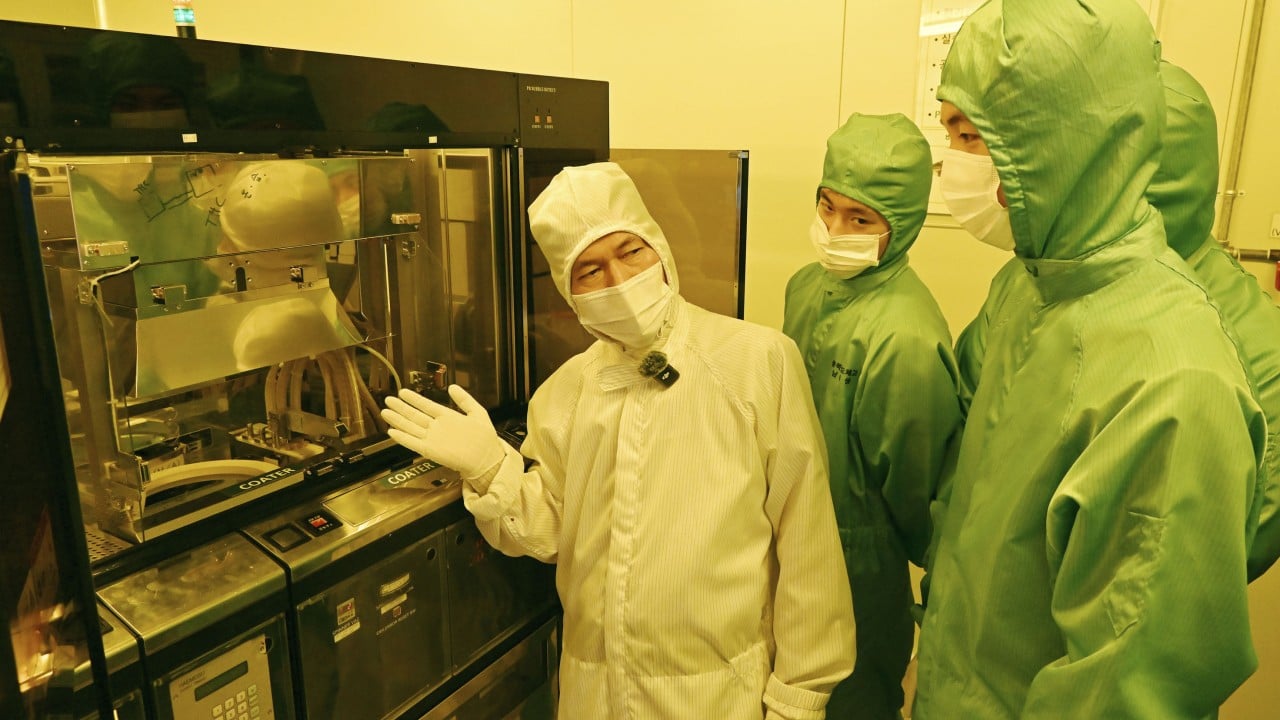
Inside a cleanroom at Chungbuk Semiconductor High School in South Korea, teenage students handle silicon wafers using the same processes employed in commercial chip plants. Approximately half of the graduates find employment at large companies like Samsung Electronics or SK Hynix without attending university. This scenario demonstrates how South Korea's semiconductor industry boom is challenging the nation's long-held belief that a university degree is the sole path to success.
Even graduates from prestigious universities face difficulties securing positions at prominent companies, which now prioritize experienced workers over fresh graduates. The school, the country's first meister high school specializing in semiconductors since 2010, trains about 300 students across three departments focusing on semiconductor manufacturing, equipment, and chemicals.
It operates as a government-backed vocational school, equipping students with immediate industry-ready skills and knowledge through hands-on training in six cleanrooms on-site, each equipped for the complete chipmaking process, ranging from wafer fabrication to packaging. Donated equipment from SK Hynix contributes to the training programs.
Located in Eumseong, North Chungcheong province, roughly 130 kilometers southeast of Seoul, the school boasts a remarkable job placement rate of 96.4% to 99.1% for the past few years, compared to nationwide averages of 38.2% for vocational programs at general high schools and 55.2% for vocational high schools overall. Among 105 graduates this year, 23 landed jobs at Samsung Electronics or its related businesses, while three joined SK Hynix.
In South Korea, roughly 14% of workers secure positions at large companies, which offer salaries twice as high as those in smaller firms. Graduates like Song Jun-hee, who secured a job at Samsung Display through the company's scholarship program, chose the school over a conventional academic path after developing an interest in machinery in middle school.
Initially, his parents were skeptical about bypassing university, but their doubts vanished after he secured a job at Samsung. Similarly, Park Seung-yun aims to contribute to the "crown jewel of Korean industry" like his firefighter father, while Park Seung-yun from Seoul opts for Samsung Electronics, driven by attractive financial prospects and the possibility of earning a university degree through the company's in-house program.
With generous performance bonuses reported in the semiconductor sector, interest in the school has surged, prompting a move to a larger venue for the upcoming admissions briefing. Registrations have tripled, and inquiries have come from overseas, including China and Vietnam. The competition for spots has risen from 1.5 applicants per opening two years ago to 2.3 last year, and is expected to intensify further this year.
Jung Jae-won, a teacher overseeing student employment for five years, reports that demand from industry partners for recruits far exceeds the roughly 100 graduates produced annually. "We simply don't have enough students to send," Jung stated. Seo Un-seok, the school's principal, notes that over 100 companies have signed recruitment agreements with the school, providing graduates with multiple employment options.
Graduates also achieve early career advancement, with some reaching managerial positions as early as 27, while university graduates are typically starting their first jobs. The school's model has gained popularity nationwide, leading the Ministry of Education to designate six new meister high schools, including two focusing on semiconductors, set to open in 2028 and receive 5 billion won (US$3.35 million) in funding over two years for each school.
Seo, who became principal last year, emphasizes the school's mission to shift South Korea from a society valuing academic credentials to one that prioritizes competency. Evidence of the school's impact extends beyond job placements, as graduates return to the campus on their days off to mentor current students, share insights about working life on semiconductor production lines, and support students during job interviews.
Written by urgent.news from South China Morning Post's reporting — not their text. Machine-written — may contain errors; check the original before relying on it.