WHO hails Ghana Medical Trust Fund’s first-year impact, calls for sustainable financing
The World Health Organization (WHO) has commended the Ghana Medical Trust Fund for its progress during its first year, describing the initiative as a significant step towards reducing financial hardship for Ghanaians living with chronic and high-cost diseases. Speaking on the first anniversary of the Ghana Medical Trust Fund, WHO Country Representative to Ghana, Dr. […]
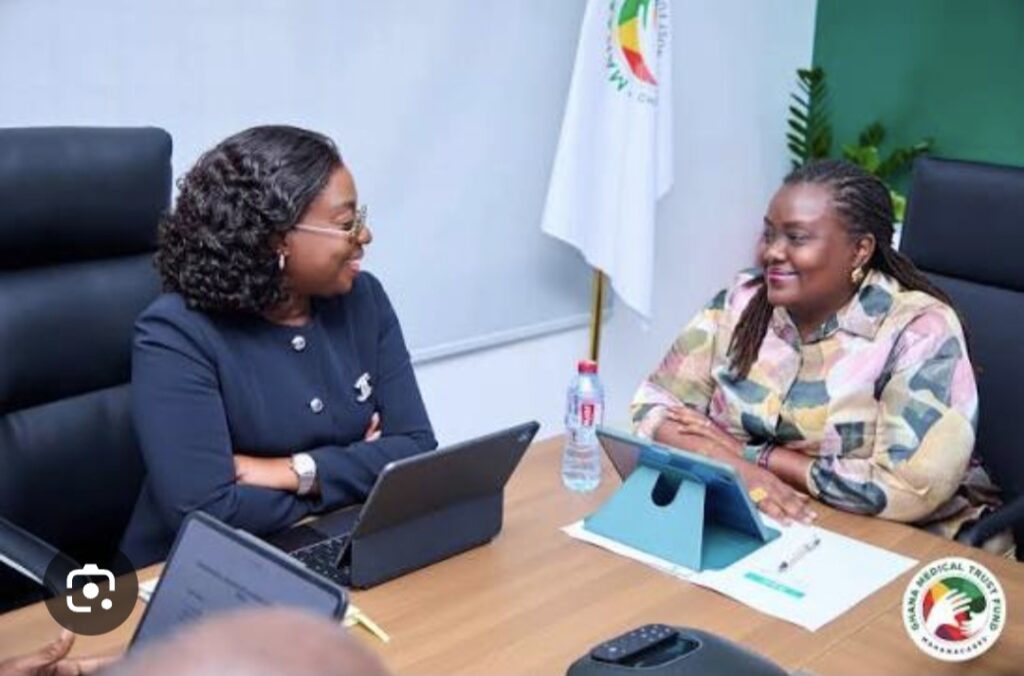
The World Health Organization (WHO) has praised the Ghana Medical Trust Fund for its achievements during its inaugural year, crediting it as a crucial step towards alleviating financial strain for Ghanaians managing chronic and expensive illnesses. Speaking at the Fund's first anniversary, Dr. Fiona Braka, WHO Country Representative to Ghana, lauded the government, the Fund's leadership and the Ghanaian people for the significant strides made since the Fund's inception.
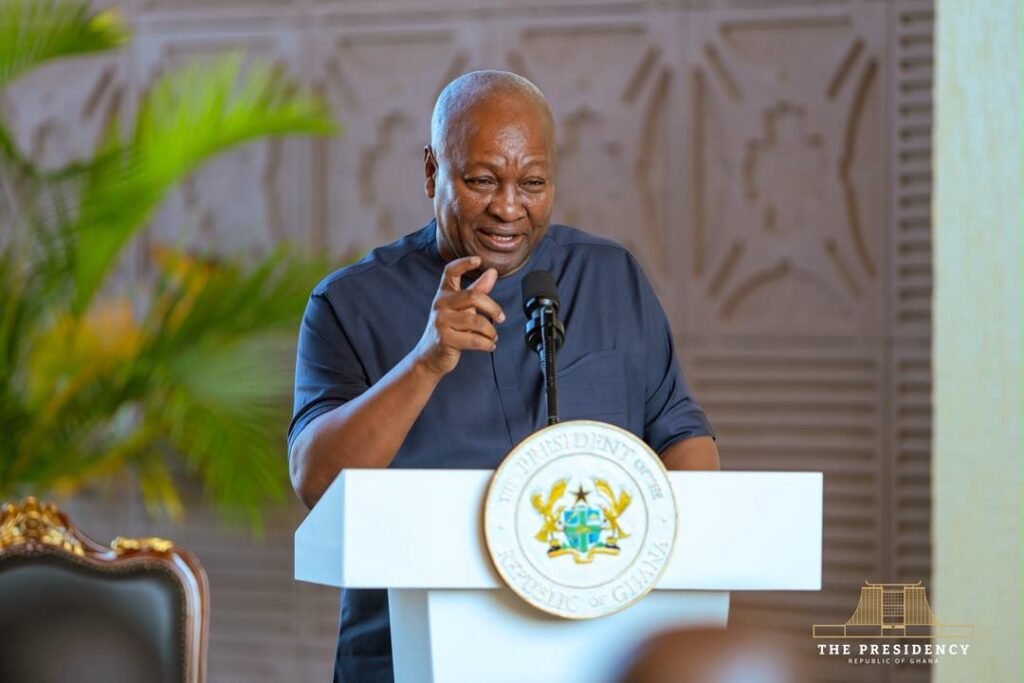
Dr. Braka specifically highlighted President John Dramani Mahama's visionary role in establishing the Fund, emphasizing its positive impact on vulnerable patients who can now access treatment without being crippled by healthcare costs. She explained that the Fund operates in conjunction with other government health initiatives, such as the Free Primary Healthcare Initiative and the National Health Insurance Scheme (NHIS), each aimed at ensuring that Ghanaians receive healthcare services regardless of their location or the nature of their ailment.
According to Dr. Braka, the Fund has instilled hope among patients suffering from chronic diseases like cancer, diabetes, chronic kidney disease, cardiovascular conditions and stroke, which often impose considerable financial burdens on patients and their families. Beyond direct patient assistance, the Fund is investing in the broader health system through infrastructure development, medical equipment provision, and the training of healthcare professionals.
Dr. Braka pointed out that the Fund's approach extends beyond patient support to encompass medical equipment, infrastructure, human resources and research, all of which are essential for strengthening specialist healthcare services. She noted that the development of a specialized healthcare pathway, where patients can move seamlessly between free primary healthcare, the NHIS and specialized care provided through the Mahama CARES initiative, represents a significant advancement.
Dr. Braka referenced the cardiac center at Korle Bu Teaching Hospital as a prime example of the Fund's emerging influence, highlighting WHO's involvement in its launch. Dr. Braka urged stakeholders to focus on creating sustainable financing models for the Fund to ensure its gains endure beyond its first year. She advocated for the establishment of protected budget lines to provide the initiative with predictable and sustainable funding.
Additionally, she called for expanding the Fund's coverage to include more patients and address additional disease conditions while maintaining integration with Ghana's broader healthcare reforms. Dr. Braka expressed optimism that Ghana's experience with the Fund could serve as a model for other countries aiming to advance universal health coverage.
She emphasized the importance of effective implementation, transparent data and evidence demonstrating the Fund's impact in confirming its reach and effectiveness in reducing financial hardship. Dr. Braka reaffirmed WHO's ongoing support for the initiative, emphasizing that the organization has been involved since its inception and will continue to collaborate with the government to translate the Fund's vision into tangible benefits for Ghanaians.
Written by urgent.news from Adom Online's reporting — not their text. Machine-written — may contain errors; check the original before relying on it.