Trump wants to open nearly all national forest trails to dirt bikes and ATVs
The Forest Service is proposing to allow motorized vehicles on all trails, two-tracks, and roads unless it explicitly designates otherwise.
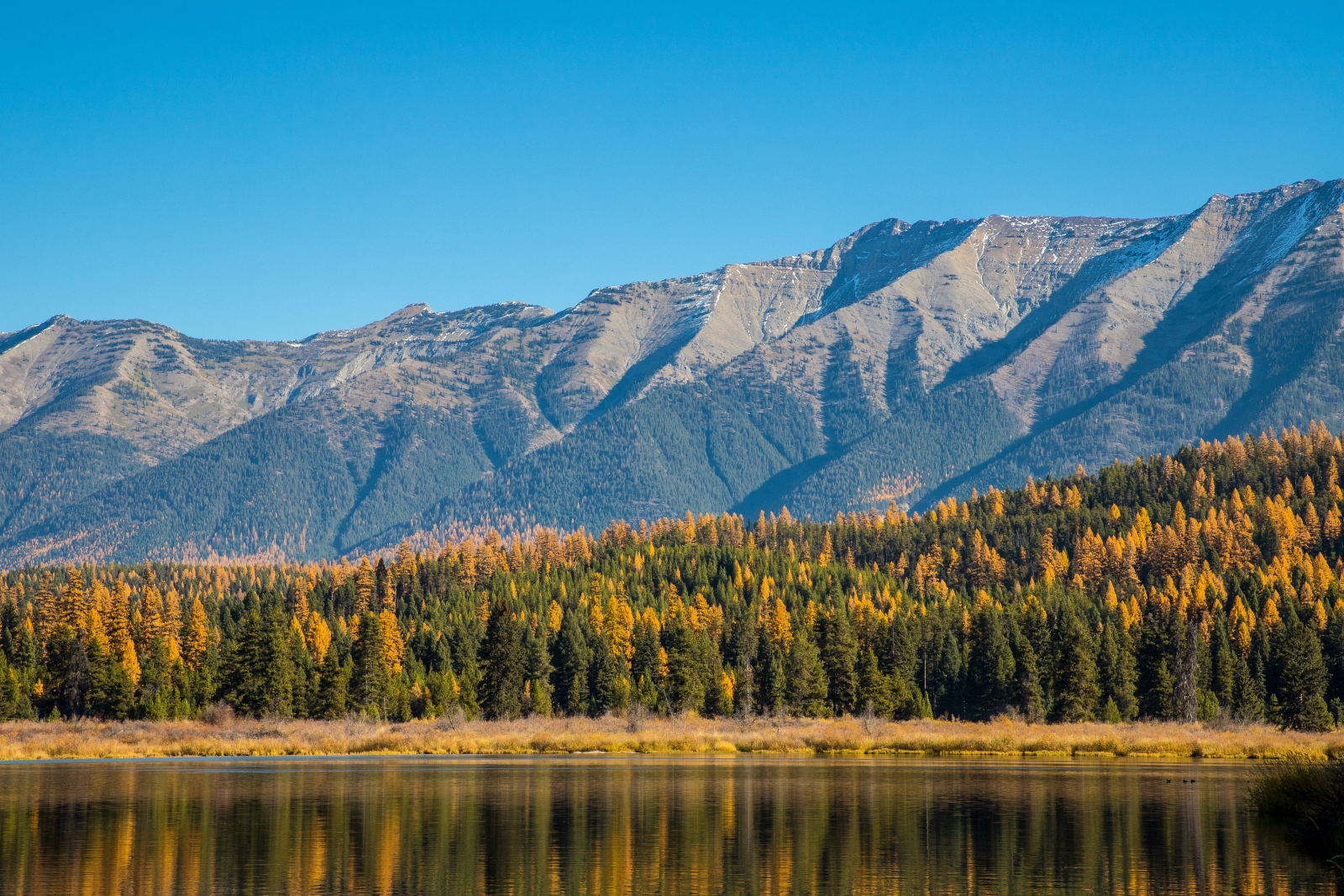
The Trump administration is proposing a significant change to how national forests are managed, potentially opening up nearly all trails to off-highway vehicles such as dirt bikes and ATVs. Currently, most national forests have strict regulations known as "travel management plans" that dictate when motorized and non-motorized access is allowed.
These plans specify which types of vehicles can use each trail, two-track, or road. The proposed change, detailed in a late August announcement by the Forest Service, would shift the rule so that trails are open unless designated closed, rather than the current policy of trails being closed unless open to motorized use. This shift would prioritize motorized access on service roads, trails, and even backcountry airfields.
The change is expected to streamline regulatory requirements and enhance recreation access, according to the U.S. Department of Agriculture. However, the proposal faces strong opposition from various groups, including sportsmen, backcountry horsemen, conservation organizations, and non-motorized recreation groups. They argue that opening up all trails to motorized access could have severe negative impacts on ecosystems and wildlife.
Hillary Eisen, the federal policy director for Wild Montana, a public lands advocacy organization, notes that the current travel management plans provide essential clarity for everyone who uses forest lands, from recreationists to ranchers and timber industry workers. Without clear guidelines, she fears motorized vehicles could be allowed anywhere on the landscape, potentially causing significant environmental damage.
A notable example is the Middle Fork of the Judith River in Montana, where off-highway vehicle use in the past led to severe erosion, sediment runoff, and a drastic decline in fish populations. Efforts to restore the river and reduce vehicle crossings have shown promising results, with improved water quality and fish populations.
However, the Forest Service's formal announcement to revise the rule is seen as vague and poorly written, raising concerns about the potential for widespread conflict and confusion among user groups. The process to change a federal rule is lengthy, with the Forest Service currently accepting public comments on the proposed plan.
Written by urgent.news from Grist's reporting — not their text. Machine-written — may contain errors; check the original before relying on it.