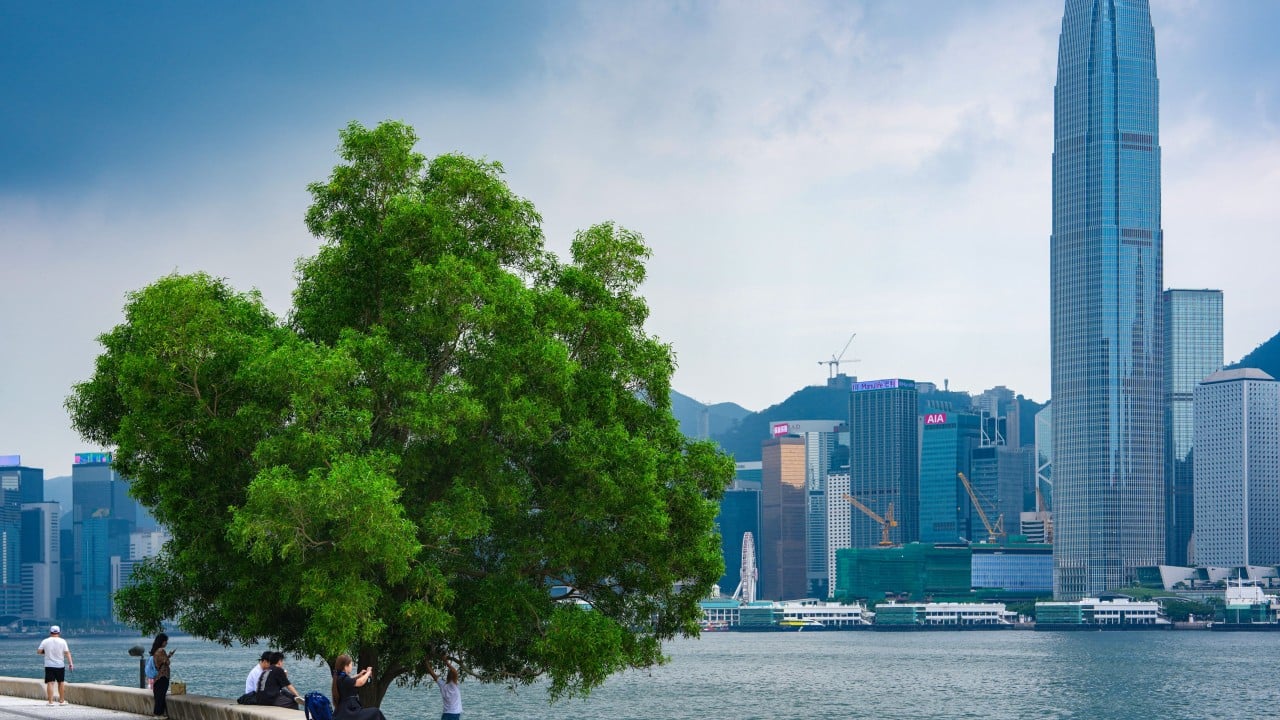
Hong Kong lacks a climate narrative to unify its efforts
Hong Kong deserves credit for its first five-year plan, accompanied by a detailed policy address. The plan establishes a useful framework beyond the annual policy cycle. Precisely because this is an important first effort, it is worth asking what could make the framework even stronger. One striking omission is that the five-year plan never explicitly mentions climate change. This does not mean…
Hong Kong has developed a five-year plan with a comprehensive policy address, emphasizing various measures to tackle decarbonisation, adaptation, resilience, and nature preservation. However, a glaring omission is the explicit mention of climate change as a unifying focus. This absence makes the framework appear fragmented, despite the plan's significant achievements in areas such as reducing carbon emissions, increasing zero-carbon energy, developing hydrogen and electric vehicle infrastructure, and promoting sustainable aviation and maritime fuels.
While the policy address delves into the specifics of these efforts, it does not identify climate change as the central driving force. Consequently, climate change adaptation and mitigation appear to be secondary considerations rather than integral components of the plan. The plan's inclusion of innovation, talent development, and green finance is commendable, yet it fails to establish a clear link between these activities and climate change.
Public health is another area that deserves closer attention to climate change impacts, such as extreme heat, air pollution, and climate-sensitive diseases. Currently, these issues are not adequately addressed in the healthcare chapter, despite their cross-departmental implications. In terms of governance, the plan calls for a holistic approach that integrates prevention-based governance, risk warning, interdepartmental collaboration, and infrastructure resilience.
Climate change presents an ideal opportunity to test this approach, as it spans multiple sectors, including environment, development, transport, housing, health, labour, welfare, finance, education, and security.
Comparatively, mainland China's 15th five-year plan explicitly addresses climate change, focusing on carbon peaking, energy transformation, technological innovation, industrial development, and international cooperation. Hong Kong could adopt a similar climate-and-nature lens in its upcoming policy address to unify its diverse efforts.
By integrating climate change into implementation, budgeting, and annual reporting, the city can bolster its cross-bureau responsibility, align research with public needs, develop investible project pipelines, and measure combined economic, social, and environmental outcomes. This approach could also enhance Hong Kong's international role by connecting mainland green technologies with global capital, science, insurance, professional services, standards, and markets.
Written by urgent.news from South China Morning Post's reporting — not their text. Machine-written — may contain errors; check the original before relying on it.