The uncomfortable truth about aquariums
This story appeared in Today, Explained, a daily newsletter that helps you understand the most compelling news and stories of the day. Four beluga whales have died in a month at one of America’s top-rated aquariums — a tragic development and, arguably, a reason to revisit the ethics of zoos. (More on that in just a […]
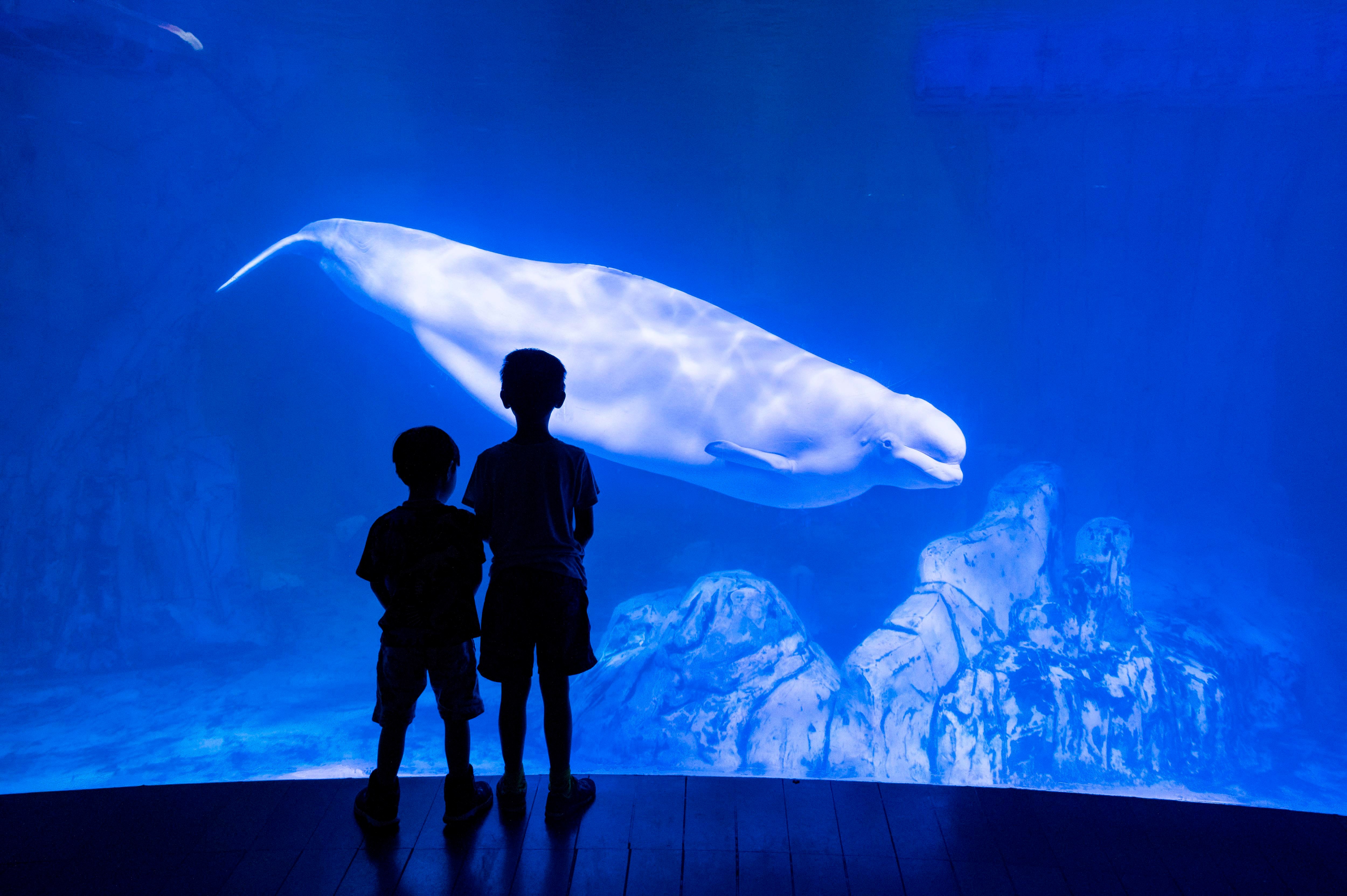
In recent weeks, four beluga whales have passed away at Chicago's Shedd Aquarium, following a series of deaths at a top-rated aquarium in America. This tragic string of events has reignited a debate about the ethics of keeping whales captive in zoos and aquariums. The latest victim, a 26-year-old female named Osiris, joins the ranks of other beluga whales who died in late August, early September, and in late August and early September 2024.
These four cetaceans were part of a group relocated from a scandal-plagued theme park in Niagara Falls, Canada when the park closed in 2024. Initially, their international relocation involved padded shipping containers, a police-escorted convoy, and a chartered plane. While the move may have been arduous, the real challenge lies in ensuring the whales' well-being in their new environments.
Despite the aquarium's intensive care, some of the rescued whales have struggled to adapt, leading to their untimely demise. Aquariums and zoos claim to serve multiple purposes: they raise funds for conservation projects, help reintroduce vulnerable species to the wild, and inspire visitors to care for the environment. However, these purported benefits are not without scrutiny.
While zoos and aquariums do contribute to conservation efforts, reintroducing endangered species into the wild is rare. Moreover, merely observing animals in a tourist setting doesn't necessarily motivate people to take action on animal welfare or conservation. The aquariums' own stress on the animals' captivity can negatively impact their well-being.
So, what could a more humane alternative look like? Even if zoos and aquariums ceased capturing wild animals, many thousands of injured, orphaned, born-in-captivity, or accustomed-to-human-care animals would still remain. A 110-acre coastal sanctuary for "retired" whales is already in the works, but it's still a long way from completion.
In the meantime, it's up to consumers to weigh the potential benefits of zoos and aquariums against the possible harm to the animals they exhibit. It's important to remember that living a life that aligns with our values is crucial, but completely avoiding activities we care about can lead to a less fulfilling life.
Written by urgent.news from Vox's reporting — not their text. Machine-written — may contain errors; check the original before relying on it.