Tennessee schools still miss farm-to-school grant eliminated in 2025 as USDA rolls out new programs
This story was originally published in Tennessee Lookout . School Nutrition Director Vickie Dunaway has spent years transitioning the Milan Special School District in West Tennessee toward scratch-made cooking. She used grant funding to purchase equipment needed to process whole foods in school kitchens, and she bought fresh corn, squash, tomatoes, and local beef from farmers for student meals.…
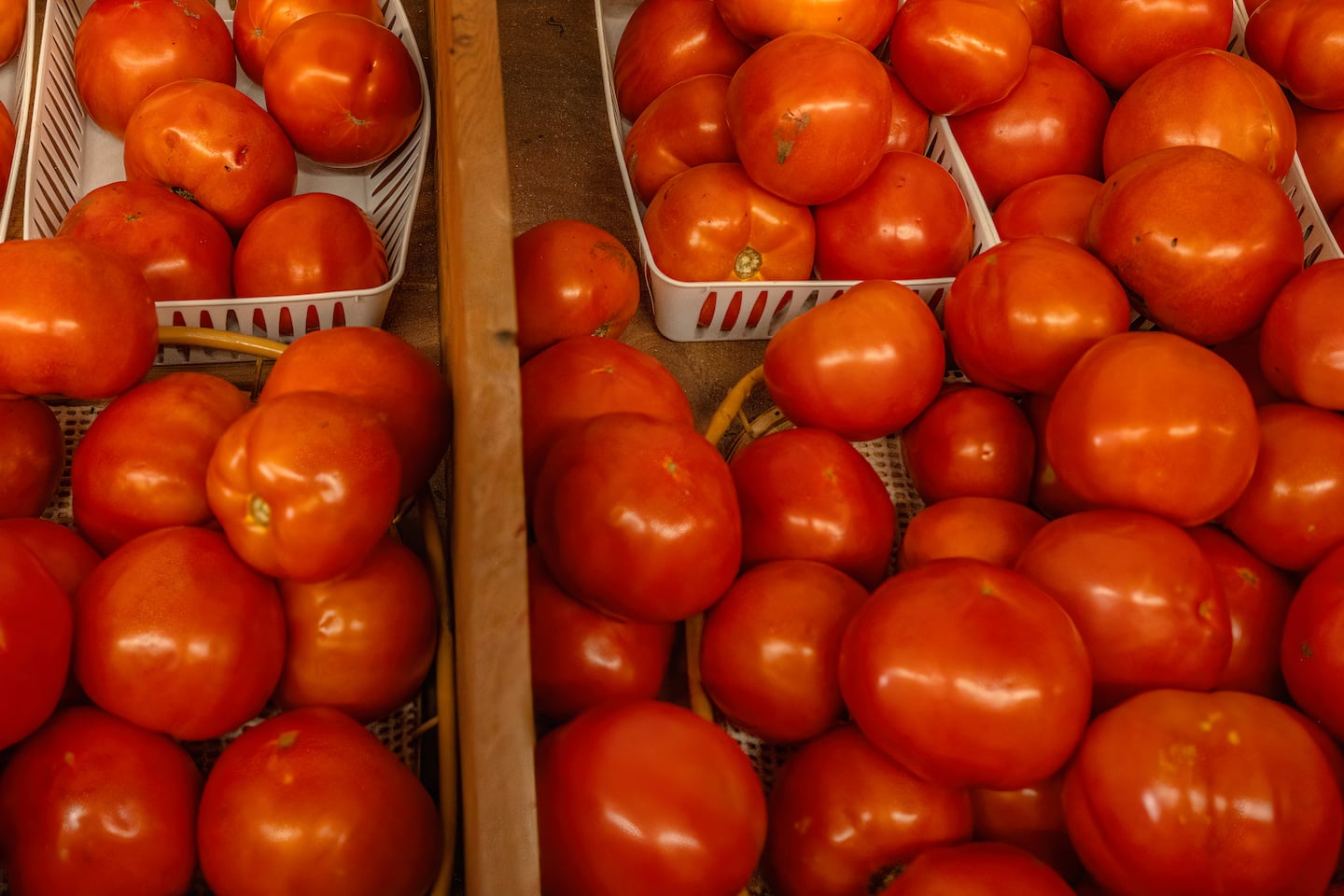
In March 2025, the U.S. Department of Agriculture (USDA) discontinued the Local Food for Schools program, which helped school districts like Milan Special School District in West Tennessee afford fresh, local foods. The USDA's decision came amid efforts by the Trump administration to reduce the federal budget. Vickie Dunaway, the School Nutrition Director for Milan Special School District, explained that her district purchased equipment to process whole foods, such as tomatoes, squash, and beef, to create scratch-made meals for students.
However, she can no longer afford the fresh local foods due to the cancellation of the grant funding.
The USDA and Department of Health and Human Services (HHS) have announced new programs aimed at bringing more American agriculture products to school cafeterias. One initiative, called "Harvest to Hallways," includes up to $70 million for schools to update cafeteria equipment and storage, along with an additional $25 million infusion into Patrick Leahy Farm to School Grants.
The USDA will also provide guidance to schools on using their existing school lunch federal reimbursement dollars for local foods. Dunaway acknowledged that these new programs are a step in the right direction but noted that they do not resolve her district's budget issues.
Dunaway emphasized the need for both the equipment to process fresh ingredients and sustainable recurring revenue to purchase food long-term. She highlighted that the cost of even commodity foods is rising, and local farming operations cannot compete with bulk prices. In the 2023 Farm to School Census, nearly two-thirds of school food authorities reported serving local foods, with about $1.8 billion in local food purchases, accounting for 16% of total spending. However, half of those districts faced challenges with the availability of local foods.
Written by urgent.news from Chalkbeat's reporting — not their text. Machine-written — may contain errors; check the original before relying on it.